

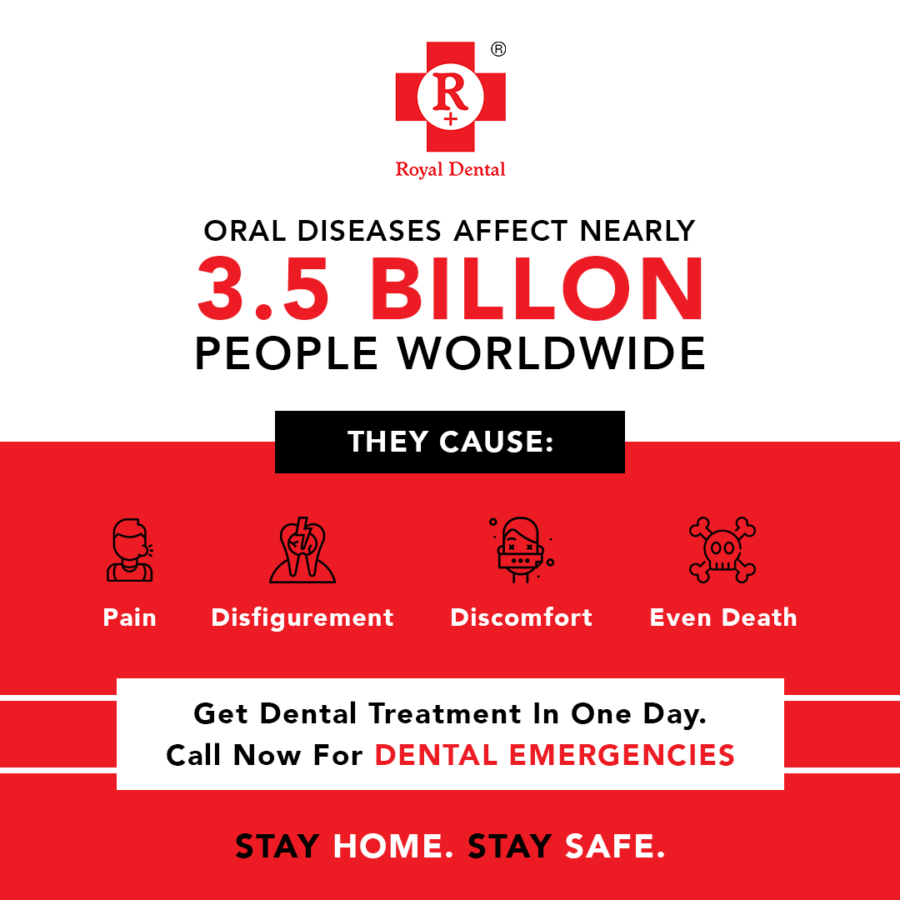
Oral health is closely connected to overall health. The mouth contains hundreds of different microorganisms, most of which are harmless when oral hygiene is maintained. However, untreated cavities, gum disease and dental infections can allow harmful bacteria to multiply and may contribute to inflammation or infection beyond the mouth.
This does not mean that poor oral hygiene directly causes every systemic disease. However, research has identified associations between oral infections and conditions such as respiratory infections, cardiovascular disease, diabetes-related complications and infections in medically vulnerable patients. Understanding these connections can help you recognise warning signs and seek timely dental care.
Who Is This Article For?
- Individuals interested in preventive healthcare
- Patients with recurring oral infections
- People with weakened immune systems
- Individuals seeking better overall health
- Anyone wanting to understand the importance of oral hygiene
What Are Oral Infections?
An oral infection occurs when harmful bacteria, viruses or fungi affect the teeth, gums or other tissues inside the mouth. Common oral infections include:
- Tooth abscesses
- Gum infection and periodontitis
- Infection around wisdom teeth
- Oral thrush or candidiasis
- Viral infections affecting the lips and mouth
- Infections caused by untreated cavities
- Infections of the jaw or facial spaces
How Can a Dental Infection Spread?
A dental infection usually begins in the tooth, gum or tissues around the tooth. If it is not treated, bacteria and inflammatory fluids can spread into the surrounding jaw, cheek, neck or facial spaces. A tooth abscess may cause:
- Persistent toothache
- Swelling of the gum, face or jaw
- Pus or a bad taste in the mouth
- Fever
- Difficulty opening the mouth
- Difficulty swallowing
- Tender or enlarged lymph nodes
Facial swelling, fever, difficulty swallowing or breathing, and rapidly increasing pain require urgent medical and dental attention. Do not rely only on painkillers or take antibiotics without professional advice.
Oral Bacteria and the Bloodstream
Bacteria can temporarily enter the bloodstream during everyday activities such as chewing or brushing, particularly when the gums are inflamed or bleed easily. This is known as transient bacteraemia and does not automatically mean that a serious infection will develop. In most healthy individuals, the immune system clears these bacteria. However, certain medically vulnerable patients may require special precautions before particular dental procedures. Patients with a history of certain heart conditions, prosthetic heart valves or previous infective endocarditis should inform their dentist and cardiologist before treatment. Antibiotic prophylaxis is not required for everyone. It should only be prescribed when indicated by current medical guidelines and the patient’s individual medical history.
Can Gum Disease Affect Overall Health?
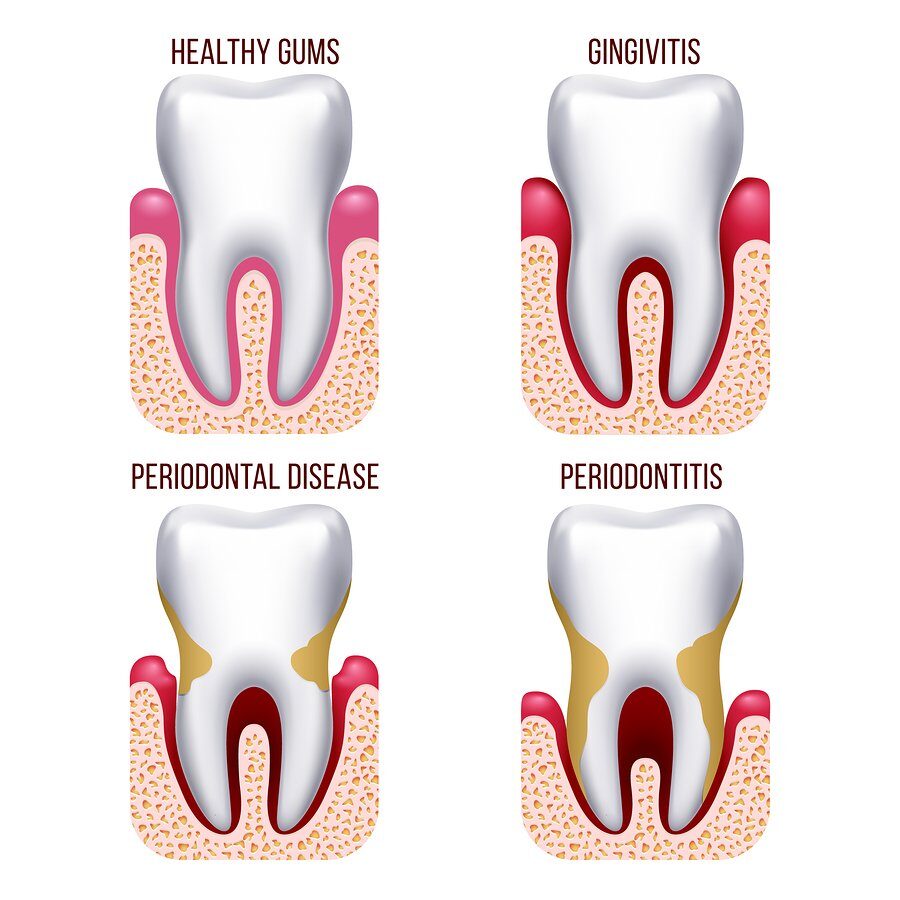
Gum disease begins as inflammation caused by plaque and bacteria around the teeth. In its early stage, it may cause bleeding and swollen gums. If untreated, it can progress to periodontitis, which may damage the tissues and bone supporting the teeth. Periodontitis has been associated with several systemic health conditions, including diabetes, cardiovascular disease and respiratory disease. These associations do not prove that gum disease alone causes these conditions. Common risk factors such as smoking, age, diet, diabetes and inflammation may also play an important role. Treating gum disease is important for protecting the teeth, reducing oral inflammation and supporting general health.
Oral Health and Respiratory Infections
Oral bacteria can sometimes be inhaled into the respiratory tract. This may be more significant in older adults, hospitalised patients, people with swallowing difficulties and individuals with chronic lung disease or weakened immunity. Poor oral hygiene and untreated gum disease have been associated with respiratory infections such as pneumonia. Maintaining good oral hygiene may help reduce the bacterial load in the mouth, but dental care cannot replace medical treatment for pneumonia, COPD or any other respiratory condition. Patients with chronic respiratory disease should follow their physician’s treatment plan and maintain regular dental care.


Oral Infections in People with Diabetes or Reduced Immunity
People with diabetes may be more likely to develop gum disease, and uncontrolled diabetes can make it more difficult for the body to fight infection and heal properly. Individuals with weakened immunity, including some patients receiving cancer treatment or living with immune-related conditions, may also have a greater risk of oral infections such as candidiasis, gum infection and mouth ulcers. These patients should inform their dentist about:
- Diabetes or high blood sugar
- Cancer treatment
- HIV or other immune-related conditions
- Steroid or immunosuppressive medication
- Previous heart infections
- Blood-thinning medication
- Recent hospitalisation
Warning Signs of an Oral Infection
- Tooth pain that does not settle
- Bleeding or swollen gums
- Pus near a tooth or gum
- Facial or jaw swelling
- Persistent bad breath
- A loose or mobile tooth
- Pain while chewing
- Difficulty opening the mouth
- Fever associated with dental pain
- A mouth ulcer that does not heal
- White patches that can be wiped off or persist
- Difficulty swallowing or breathing
When Should You See a Dentist?
Do not wait until dental pain becomes severe. A dental examination is advisable if you have persistent pain, gum bleeding, swelling, bad breath, a broken tooth or a recurring oral infection. Your dentist may perform a clinical examination and recommend dental X-rays, a CBCT scan, gum evaluation or other tests when required. Treatment may include professional cleaning, gum treatment, root canal treatment, drainage of an abscess, tooth extraction or other appropriate care.
Conclusion
Oral health and infectious diseases are connected through the relationship between oral bacteria, inflammation and the body’s ability to respond to infection. Untreated cavities, gum disease and dental abscesses can cause significant problems within the mouth and may create additional risks for medically vulnerable patients. Good oral hygiene, regular dental check-ups and timely treatment can help prevent oral infections and protect your teeth and gums. If you have swelling, fever, pus, persistent pain or difficulty swallowing or breathing, seek urgent dental or medical attention. For an evaluation of gum disease, dental infection or recurring oral problems, consult the team at Royal Dental Clinics in Mumbai or Jaipur.
FAQ
How are oral health and infectious diseases connected?
The mouth contains millions of bacteria, and poor oral hygiene can allow harmful microorganisms to multiply, increasing the risk of oral infections and potentially affecting overall health.
Can poor oral health increase the risk of infections?
Yes. Untreated cavities, gum disease, and oral infections can create conditions that allow harmful bacteria to spread and contribute to local or systemic health problems.
What are common oral infections?
Common oral infections include tooth abscesses, gum infections, oral thrush, periodontal disease, and viral infections affecting the oral tissues.
Can gum disease affect overall health?
Yes. Research has linked gum disease to chronic inflammation and associations with several systemic health conditions, highlighting the importance of maintaining healthy gums.
How can I reduce the risk of oral infections?
Brushing twice daily, flossing regularly, using antimicrobial mouthwash when recommended, maintaining a healthy diet, and attending routine dental check-ups can help reduce the risk of oral infections.
Are people with weakened immune systems more prone to oral infections?
Yes. Individuals with weakened immune systems may have a higher risk of developing oral infections and may require closer monitoring and preventive dental care.
When should I see a dentist for an oral infection?
You should seek dental care if you experience persistent tooth pain, swelling, pus, bleeding gums, bad breath, loose teeth, mouth sores that do not heal, or other signs of infection.
Suggested Article:
- What are few digital marketing tips for Dentists?
- Tips and Tricks for a Braces Smile
- Good and Bad Bacteria in Your Mouth
Medical Disclaimer
This article is for patient education only. Dental treatment should be planned after clinical examination, medical history review, and X-rays or scans where required. Treatment suitability, cost, timeline, healing, and results vary from patient to patient.