

This article is for teenagers, adults, parents and caregivers looking for practical advice on caring for fixed dental braces. It is especially useful for people who have recently started orthodontic treatment and want to understand how to clean around brackets, manage initial discomfort, avoid damaging their braces and remain confident throughout treatment. To know more about braces care tips, read on.
Why Do Teeth Need Extra Care During Braces Treatment?
Brackets and wires create additional areas where plaque and food particles can collect. When these areas are not cleaned properly, the risk of gum inflammation, bad breath, tooth decay and white marks around the brackets may increase.
White spots can develop when plaque remains around the braces and produces acids that affect the tooth enamel. These marks may become noticeable after the braces are removed, which is why proper cleaning throughout treatment is essential.
Braces themselves do not normally damage healthy teeth. Most problems associated with braces occur when oral hygiene is inadequate, sugary foods are consumed frequently, appliances are damaged or orthodontic instructions are not followed.
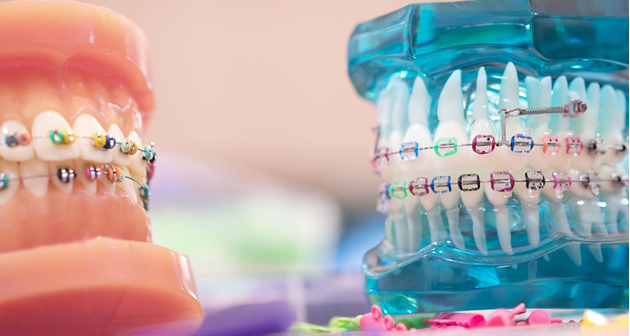
How to Brush Your Teeth With Braces
Brush your teeth carefully in the morning, before going to bed and after meals whenever practical. Use fluoride toothpaste and a soft-bristled manual or electric toothbrush.
- Start by rinsing your mouth with water to loosen food trapped around the braces. Hold the toothbrush at an angle toward the gumline and clean the area between the gums and brackets using small, gentle movements.
- Next, brush directly over the brackets. Then angle the toothbrush upward to clean underneath the brackets and orthodontic wire. Remember to clean the chewing surfaces, inner surfaces of the teeth, tongue and gumline.
- Spend enough time cleaning every area rather than brushing quickly. Use a mirror to check whether food or plaque remains around any bracket. Patients with braces may require more brushing time than people without orthodontic appliances.
- Avoid applying excessive pressure. Aggressive brushing can irritate the gums and wear out the toothbrush bristles without necessarily cleaning more effectively.
How to Clean Between Brackets and Wires
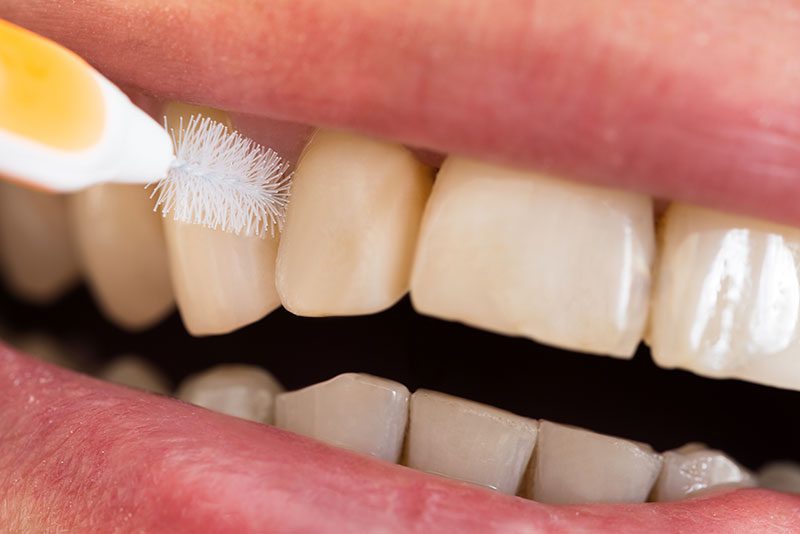
A regular toothbrush may not reach all the areas beneath the orthodontic wire. An interdental brush can help clean between the brackets, underneath the wire and around areas where food commonly becomes trapped. Insert the interdental brush gently without forcing it against the gums or orthodontic wire. The correct brush size depends on the available space, so ask your dentist or orthodontist to recommend an appropriate size and demonstrate how to use it.
Flossing is also important because it removes plaque from between neighbouring teeth. Orthodontic floss, floss threaders or suitable flossing devices may make it easier to guide the floss underneath the wire. Water flossers may be helpful for some patients, but they should not automatically replace careful brushing and interdental cleaning.
Foods to Avoid With Braces
Apples, carrots, crusty bread and similar foods do not always need to be avoided completely. They should be cut into smaller pieces and chewed carefully using the back teeth. Frequent sugary snacks, fizzy drinks, packaged juices and sports drinks should also be limited. Sugar increases the risk of tooth decay, while acidic drinks can contribute to enamel damage around the brackets.
Hard, crunchy and sticky foods may loosen brackets, bend wires or become trapped around the braces. Foods that commonly cause problems include:
- Hard sweets and candies
- Chewing gum
- Sticky toffees and caramels
- Ice cubes
- Popcorn kernels
- Hard nuts
- Very crunchy chips
- Foods that require forceful biting with the front teeth
- Water is generally the safest everyday drink during orthodontic treatment.
What Can You Eat After Your Braces Are Fitted or Adjusted?
- Soft rice or khichdi
- Dal and well-cooked vegetables
- Curd or yoghurt
- Soft pasta
- Soups
- Scrambled eggs
- Bananas and other soft fruits
- Smoothies without hard seeds
How to Manage Braces Rubbing Against the Cheeks or Lips
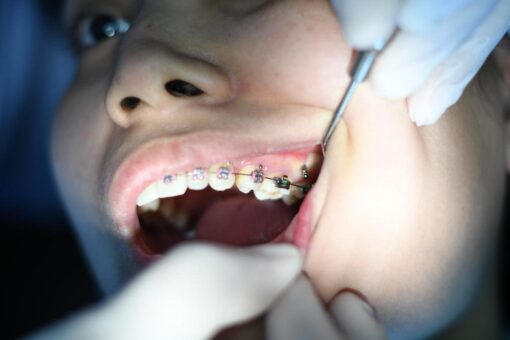
- Brackets and wires may initially rub against the inside of the lips or cheeks while the mouth adjusts. Orthodontic wax can be placed over the bracket or wire causing irritation.
- Dry the area first. Roll a small amount of wax between clean fingers and press it gently over the irritating part of the appliance. The wax acts as a temporary protective barrier.
- A warm salt-water rinse may also help soothe minor irritation. However, persistent ulcers, swelling, bleeding or pain should be professionally assessed rather than repeatedly covered with wax.
What Should You Do if a Bracket or Wire Breaks?
- Contact your orthodontist when a bracket becomes loose, the wire bends or any part of the appliance breaks. A damaged brace may not apply the intended force and could delay treatment if left unrepaired.
- Do not pull out a loose bracket or attempt to cut a wire unless your orthodontist specifically instructs you to do so.
- Orthodontic wax can be placed temporarily over a sharp wire or bracket to reduce irritation until professional care is available.
- Seek urgent attention if the appliance causes significant injury, uncontrolled bleeding, severe swelling, difficulty swallowing or difficulty breathing.
Can You Play Sports While Wearing Braces?
Most patients can continue exercising and playing sports during orthodontic treatment. A properly fitted orthodontic mouthguard may be recommended for contact sports or activities where the mouth could be injured. A regular mouthguard may not always provide sufficient space for teeth that are moving during treatment. Ask your orthodontist which type of mouthguard is appropriate for your braces and sporting activity.
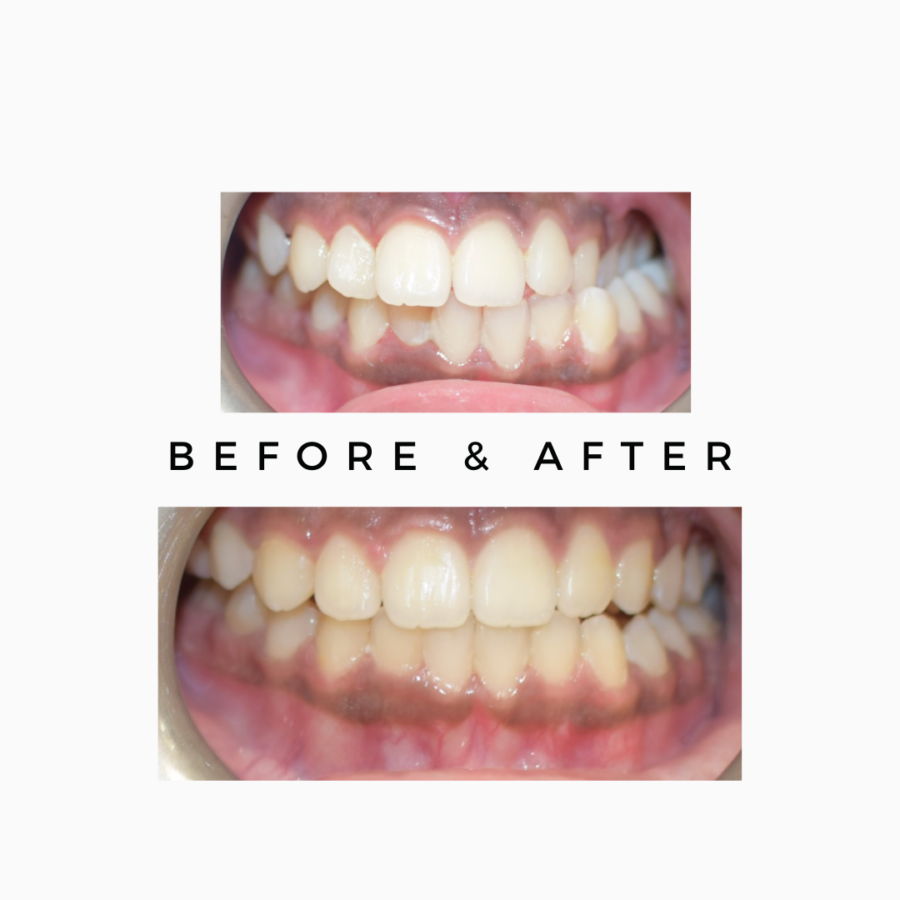
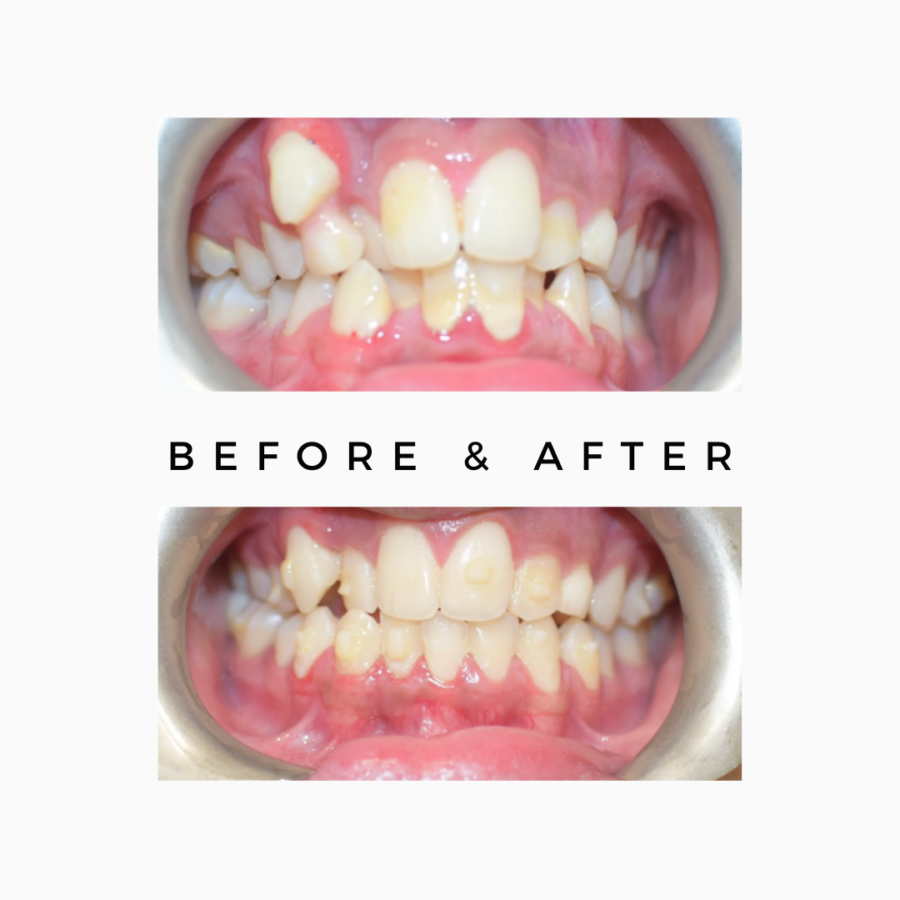
Do Not Miss Your Orthodontic Appointments
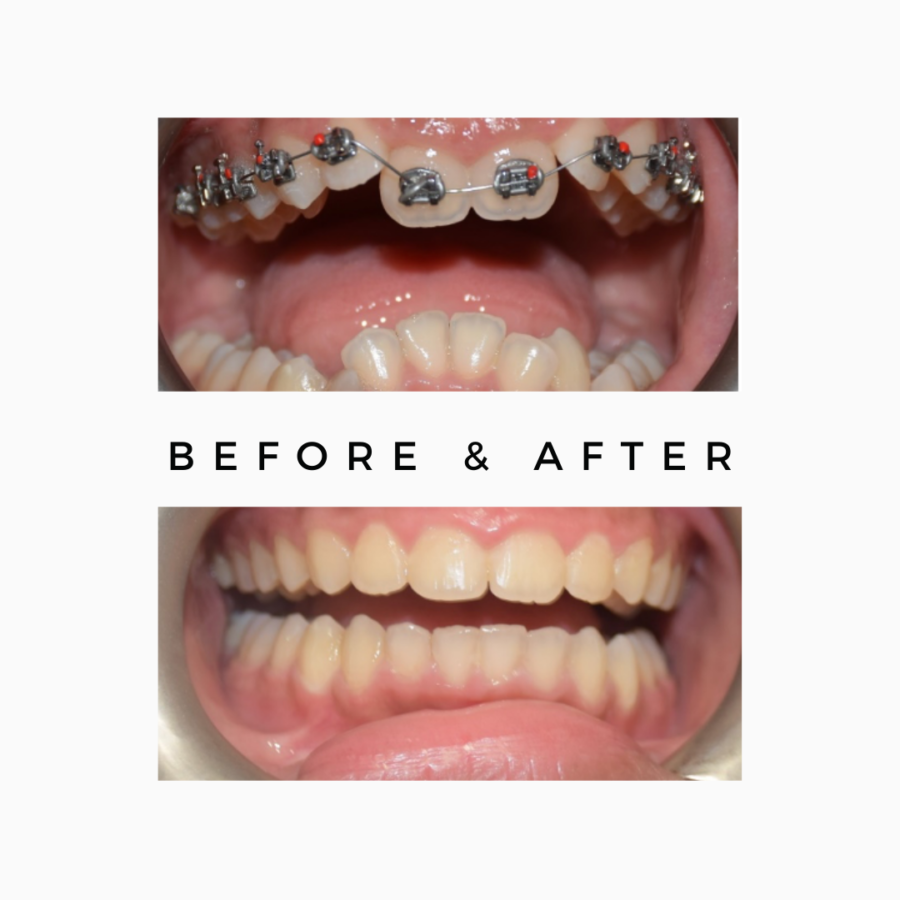
Regular orthodontic visits allow the doctor to monitor tooth movement, examine the gums, adjust the appliance and identify broken or poorly functioning components. Wear elastics, retainers or other appliances exactly as instructed. Wearing them inconsistently or attempting to speed up treatment independently may interfere with planned tooth movement. Continue regular dental check-ups and professional cleaning when recommended. Your orthodontist moves the teeth, while routine dental care remains important for preventing cavities and gum problems during treatment.
When Should You Contact Your Dentist or Orthodontist?
- A loose or broken bracket
- A wire cutting the cheek or gums
- Persistent pain after an adjustment
- Red, swollen or repeatedly bleeding gums
- White, brown or dark marks around brackets
- Persistent bad breath despite proper cleaning
- A loose tooth that appears unusual
- Lost elastics or a damaged orthodontic appliance
Conclusion
A successful braces journey depends on more than regularly adjusting the wires. Careful brushing, interdental cleaning, sensible food choices and timely orthodontic appointments help protect the teeth while they move into their planned positions. Every orthodontic case is different. Follow the instructions given by your treating dentist or orthodontist because the recommended cleaning devices, food precautions, elastics and appointment schedule may vary according to your appliance and treatment plan.
Frequently Asked Questions About Braces Care Tips
How many times should I brush my teeth with braces?
Brush your teeth in the morning, before going to bed and after meals whenever practical, using fluoride toothpaste. More important than the exact number is cleaning thoroughly around the gumline, brackets and underneath the orthodontic wire.
Can braces cause permanent white marks on teeth?
Braces do not directly cause white marks. These areas may develop when plaque remains around the brackets and repeatedly exposes the enamel to acids. Careful cleaning and limiting sugary or acidic drinks can reduce the risk.
What should I do when braces hurt my cheeks?
Place orthodontic wax over the bracket or wire causing irritation. A warm salt-water rinse may also help soothe minor soreness.
Contact your orthodontist when the irritation persists, the wire is displaced or an ulcer does not improve.
Can I eat normally with braces?
You can eat a varied diet, but hard, sticky and very crunchy foods should be avoided or modified. Cut firm foods into smaller pieces instead of biting them directly with the front teeth.
What happens if a bracket becomes loose?
Contact your orthodontist promptly. A loose bracket may affect how the planned force is delivered and could prolong treatment if it is not repaired. Do not attempt to glue the bracket back at home.
Do I still need regular dental check-ups while wearing braces?
Yes. Orthodontic appointments and routine dental examinations serve different purposes. Regular dental care helps monitor cavities, gum health and professional-cleaning requirements while orthodontic treatment is ongoing.