
Your mouth is home to hundreds of types of microorganisms, including bacteria, fungi and viruses. Together, they form what is known as the oral microbiome. Many of these microorganisms are harmless—and some may even support a stable oral environment. Others can contribute to tooth decay, gum disease and bad breath when conditions in the mouth allow them to multiply. This is why describing oral bacteria as simply “good” or “bad” can be misleading. Oral health depends on maintaining a balanced microbial community. Learn how the oral microbiome works, which bacteria in mouth contribute to cavities and gum disease, and how daily dental care helps maintain a healthy balance.
Frequent sugar consumption, plaque accumulation, dry mouth, smoking, certain medicines and inadequate oral hygiene can disturb this balance, creating a condition known as oral dysbiosis. Understanding how the oral microbiome works can help you make better decisions about brushing, diet, dental visits and the use of products such as mouthwash or oral probiotics.
There Are Billions of Bacteria in Your Mouth … and They Begin Colonising at Birth
What are Good and Bad Bacteria?
The terms “good bacteria” and “bad bacteria” are commonly used to make the oral microbiome easier to understand. However, bacteria do not always fit neatly into these two categories.
Some bacteria are normally present without causing disease and may help maintain a stable oral environment. Other bacteria are associated with tooth decay or gum disease, particularly when plaque is allowed to accumulate or when the conditions inside the mouth change.
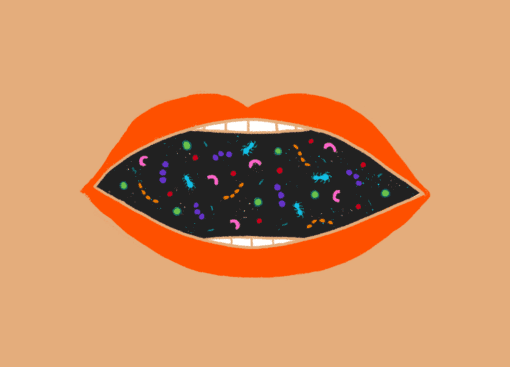
For example, acid-producing bacteria, including Streptococcus mutans, are associated with dental cavities. Porphyromonas gingivalis and several other microorganisms are associated with periodontal disease. However, these conditions are not usually caused by one bacterium alone. Diet, saliva, oral hygiene, immune response and the overall microbial community all influence whether disease develops.
How to keep Good and Bad Bacteria in balance?
An overgrowth of harmful bacteria is called an infection. Infections can be very painful and affect the health of your mouth and digestive system. To keep harmful bacteria in check, you must maintain a healthy oral environment. Here are a few ways you can do that: Brush and floss your teeth twice a day. Tooth brushing removes them from the surface of your teeth.
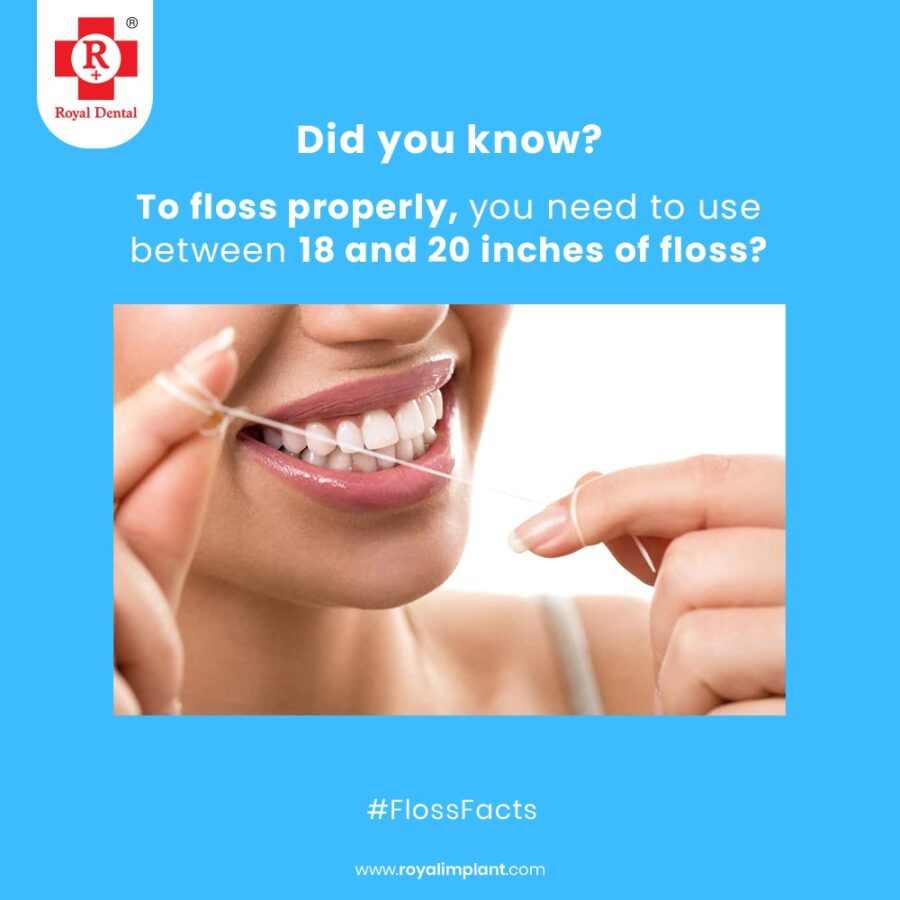
Flossing removes bacteria from between your teeth. When you brush and floss regularly, you help maintain a healthy amount of bacteria.
These are the most common methods used to keep them in check. However, they aren’t the only ways. You can also use mouthwash, special mouth rinses, and probiotic supplements to get the same results.
The two most common harmful bacteria related to gum disease, also referred to as periodontal disease, include Treponema denticola and Porphyromonas gingival. These types can survive without oxygen and can multiply rapidly. They cause inflammation in your gums and disrupt the good bacteria in your mouth.
Benefits of Maintaining a Balance
- Improved oral and overall health: When you maintain a healthy amount of bacteria, you reduce your risk of infections. Maintaining a healthy amount of them also reduces your risk of heart disease, diabetes, and obesity.
- Strong, healthy teeth are essential to a vibrant smile. Regular brushing and flossing reduce the risk of cavities and tooth decay. This prevents tooth loss and keeps your smile healthy and bright.
- Improved digestion: The bacteria in your digestive system break down food into nutrients that your body can use. If you don’t have enough good bacteria in your body, it can slow down digestion. This can lead to uncomfortable symptoms like bloating, constipation, and diarrhoea.
- Better overall health: A balanced amount of bacteria in your body boosts your immune system. It also helps you maintain a healthy weight and feel energized. Regularly maintaining a healthy amount also helps you avoid heart disease, diabetes, and obesity.
- A balanced amount of bacteria in your mouth helps you maintain good oral hygiene. It also helps you avoid bad breath, cavities, and other oral health issues.
Conclusion
A healthy mouth is not a bacteria-free mouth. The goal is to maintain a balanced oral environment in which harmful biofilms are kept under control. Brush twice daily with fluoride toothpaste, clean between your teeth every day, clean your tongue gently, stay hydrated and avoid frequent sugary snacks and drinks. Regular dental examinations and professional cleaning can identify plaque-related problems before they become more serious.
Oral probiotics may have a supportive role in selected situations, but the evidence is still developing. They should not replace brushing, interdental cleaning or professional dental treatment. If you experience persistent bad breath, bleeding gums, tooth sensitivity, dry mouth, pain or unusual patches inside your mouth, consult a dentist for an examination rather than trying to diagnose a bacterial imbalance yourself.
FAQs
1. What is the oral microbiome?
The oral microbiome is the community of bacteria, fungi, viruses and other microorganisms living on the teeth, tongue, gums and other surfaces of the mouth. A balanced oral microbiome can exist without causing disease, while an unhealthy shift in this community may contribute to cavities or gum problems.
2. Are all bacteria in the mouth harmful?
No. Many oral bacteria are harmless under normal conditions. Problems generally arise when plaque accumulates or changes in diet, saliva, oral hygiene or general health disturb the microbial balance.
3. What causes an imbalance of bacteria in the mouth?
Common contributing factors include inadequate plaque removal, frequent sugar consumption, dry mouth, smoking, certain medicines and irregular dental care. This disturbed microbial balance is often described as oral dysbiosis.
4. Which bacteria are associated with tooth decay?
Acid-producing bacteria, including Streptococcus mutans, are commonly associated with tooth decay. When these bacteria repeatedly metabolise sugars, they produce acids that can weaken tooth enamel. Cavities nevertheless develop through a combination of bacteria, diet, time, saliva and oral hygiene.
5. Which bacteria are associated with gum disease?
Periodontal disease is associated with a community of microorganisms rather than a single bacterial species. Porphyromonas gingivalis is one well-known bacterium linked with gum disease, but plaque accumulation and the body’s inflammatory response also influence its development.
6. Does bad breath mean that I have harmful bacteria?
Bacteria on the tongue and around the gums are common causes of bad breath, but they are not the only possible explanation. Dry mouth, food debris, cavities, gum disease, tobacco use and certain medical conditions may also contribute.