
When a tooth is badly damaged or infected, patients may wonder whether a dentist would prefer a root canal or dental implant. In reality, dentists do not automatically prefer one treatment over the other. A root canal is designed to preserve a natural tooth, while a dental implant replaces a missing tooth or one that cannot be predictably restored. The decision depends on the condition and prognosis of the tooth, surrounding tissues, overall oral health and the patient’s individual treatment needs.
Who Is This Article For?
- Patients who have been advised to get a root canal
- Patients who have been told that a tooth needs extraction
- People deciding between root canal treatment and an implant
- Patients considering a second opinion
- Anyone wondering whether dentists prefer natural teeth or implants
- Patients with a severely decayed, infected or damaged tooth
Root Canal Treatment with Dentist
A root canal is a procedure to remove an infection from inside a tooth. The infection can come from a cracked or broken tooth that lets harmful bacteria inside the tooth, gums, and other parts of the body. A root canal cures the infection and removes tooth decay, but it does not fix structural damage to the tooth. The procedure can cause pain and discomfort, but it is safe when done by a dentist. As a dentist, you might treat minor dental problems and prescribe antibiotics for more serious infections. You may also use root canals to save teeth that are badly decayed or broken.

Dental Implant Treatment
An implant is a dental restoration that is placed in the mouth to hold a denture or bridge in place. Implants are usually made of titanium and are placed within the jawbone by a dentist. The bone grows around the implant and holds it in place. After the implant has been in place for a few months, a dentist will place an artificial tooth on the implant. Dentists often use dental implants because they are long-lasting, convenient, and natural-looking alternatives to traditional dentures and bridges.
Pros and cons of a Root Canal
Pros – A root canal reduces pain and infection and restores the tooth structure. Once the infection is removed, the tooth will last a long time without any additional treatment. A root canal can help you save a tooth that would otherwise need to be removed. However, the root canal procedure can be painful and expensive. It can take several appointments to complete the procedure. Root canals can cause long-term side effects such as headaches, jaw pain, and sensitivity to hot and cold foods.
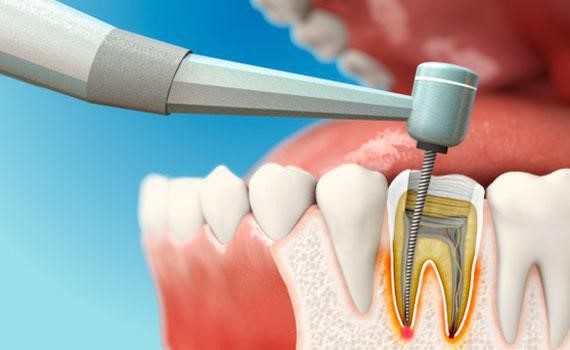
Cons – While root canals are pretty common, there are some drawbacks to having this procedure done. One of those drawbacks is that it might weaken the tooth. Dentists have to drill through the tooth in order to get to the pulp, and additional decay might have to be removed. If the tooth is too weak to function, the dentist will add a crown to it, which will strengthen the tooth and allow the patient to use it like a natural tooth.
Pros and cons of a Dental Implant
Pros – A dental implant is a permanent solution that can replace one or more missing teeth. Implants look natural because they are inserted into your mouth and are held in place by your jawbone. A dental implant is less painful and more convenient because you do not have to take it out at night to clean your teeth as you do with dentures. dental implant is more expensive than a root canal, but once the implant is in place, there are no further expenses. A dental implant can be used to replace missing teeth on the upper and lower jaw.
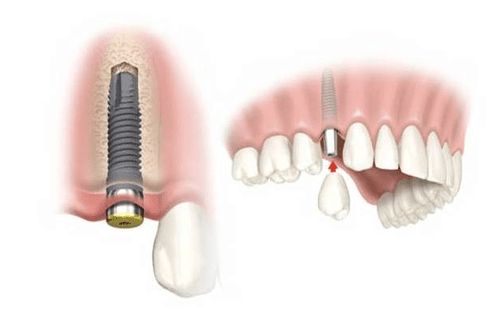
Cons – The process of getting dental implants is a very long process that takes many months to complete. The anchor is first secured to the jawbone. Before a new tooth can be installed, the bone has to fuse to the implant. It takes approximately 6 months for the bone to properly heal. Then a reconstructive dentist attaches the new tooth, essentially screwing it onto the implant. Depending on the severity of your tooth loss, whether the original tooth extraction resulted in bone damage, and how quickly your body heals, this process can take upwards of one year.
Which one does your dentist prefer, Root Canal or Dental Implant?
Root canals are less invasive than dental implants. A root canal treatment is shorter and less expensive. A root canal tends to cause less discomfort and is less risky than a dental implant treatment. However, root canals may cause long-term side effects, and the retained tooth may be less stable than a new implant. A dental implant has a higher chance of success, and it can last a long time. However, dental implants may be more expensive and cause more pain than a root canal.
Conclusion
Dentistry is a constantly evolving field. New technologies and discoveries allow dentists to provide better care for their patients. When it comes to treating a broken or decayed tooth, there are two options: a root canal or an implant. Which one does your dentist prefer? We hope that our article helped you understand the difference between these two procedures. We hope that this article provided you with insight into the benefits and drawbacks of root canals and dental implants. In the end, the decision is up to you and your dentist.
Frequently Asked Questions
Do dentists prefer root canals or implants?
Dentists do not universally prefer one over the other. If a natural tooth can be predictably restored, preserving it may be considered. If the tooth cannot be saved, an implant may be one appropriate replacement option.
Is a root canal better than an implant?
Not in every situation. A root canal preserves a natural tooth, while an implant replaces a missing or non-restorable tooth. The correct choice depends on the tooth’s prognosis.
Why would a dentist recommend an implant instead of a root canal?
An implant may be recommended when the tooth is missing or has a poor prognosis and cannot be predictably restored.
Should I get a second opinion before getting an implant?
If extraction has been recommended and you are uncertain whether the natural tooth can be saved, a second opinion can help you understand your diagnosis and treatment alternatives.
Can a tooth be saved after a failed root canal?
Sometimes. Retreatment or apical surgery may be possible in selected cases, depending on why the original treatment failed and whether the tooth remains restorable.