Discovering several cavities at the age of 20 can be surprising and concerning. While cavities are common in young adults, having five cavities usually indicates that certain risk factors such as poor oral hygiene, frequent sugar consumption, dry mouth, genetics, or irregular dental visits may be affecting oral health. The good news is that cavities can be treated, and future tooth decay can often be prevented with proper care and lifestyle changes
Dental cavity are also known as tooth decay or dental caries. These are small holes that develop in your teeth when you have an excess amount of bacteria on your teeth and carbohydrates from food remain on your teeth for a long time. Although you may be aware of the negative effects of sweets, it is important that you know why these sweets cause cavities in your teeth and how to tackle them.
A 20 year old should not have a single cavity! This is because most people tend to get their first cavity between 6 and 12 years of age. If you are 20 or older, it can mean that you haven’t taken good care of your teeth until now or that something else has interfered with the normal process of getting a cavity at this age.
Who Is This Article For?
- Young adults diagnosed with multiple cavities
- People concerned about tooth decay
- Parents of teenagers and young adults
- Individuals looking to improve oral hygiene
- Anyone wanting to prevent future cavities
Reasons for Dental Cavity in a 20 year old
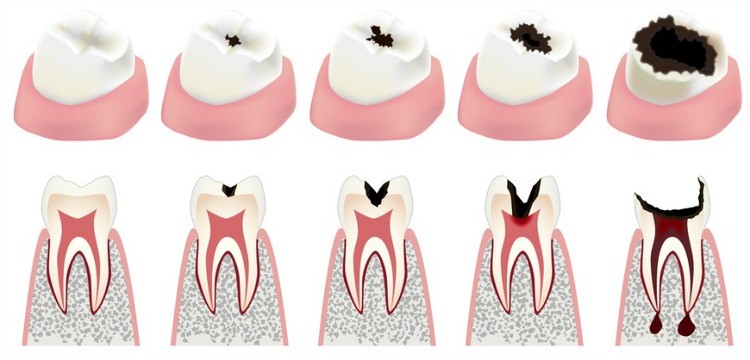
A cavity is caused when bacteria gets inside your teeth, feeds on the sugar in your food, and makes acid. The acid dissolves the hard outer layer of your tooth, the enamel. Once the enamel is gone, the inside of the tooth, called the dentin, is exposed. If the decay is not treated, it can eat through the dentin and cause a deep hole in the tooth. There are many reasons why you might get a cavity at 20 years of age, not just because you have neglected your teeth until now:

Genetics: If your parents had teeth that were sensitive to decay or cavities, you may have inherited the same teeth.
Poor diet: Getting the right amount of nutrients and vitamins is a must if you want to keep your teeth healthy. If you don’t consume the right foods, your teeth are more likely to get cavities or get damaged easily. The best way to keep your teeth healthy is to eat a well-balanced diet that includes fruits and vegetables.
Periodontal disease: This is caused by the bacteria in your mouth and can lead to tooth loss. Having this disease at a very early age can cause severe damage to your teeth.
Having braces: If you have braces, it is more likely that you will get cavities in your teeth. Braces and other dental appliances are usually made of metal, which bacteria feed on. This bacteria can then move on to your teeth and cause cavity.
Why are sweets bad for your teeth?
Carbohydrates are the main culprits in causing cavities. The bacteria feed on these carbohydrates and produce acids which irritate the teeth and cause cavities. The foods that have high levels of carbohydrates are more likely to cause cavities than other types of food. Sweet and starchy foods are the most dangerous because they are easily turned into sugar.
Sweet foods that are high in added sugar are very bad for your teeth and can cause cavities. This is because there is no fibre in these foods to help slow down the movement of the food in your mouth and stop the bacteria from making acid. Candy, sugary drinks, and even fruit juices are high in added sugar and can cause cavities.
Tips to prevent Dental Cavity
Brush your teeth twice a day with a fluoride toothpaste. The toothpaste should have fluoride in it. This kills bacteria, removes food particles from your teeth, and helps to prevent the formation of cavities.
Floss once a day to remove food particles that your toothbrush can’t reach. This helps to reduce the risk of getting cavities.
Visit the dentist regularly: Book an appointment for a dental exam and cleaning every six months. This can help to detect any dental problems early on.
Dental Checkup
Having a dental exam is like having a full health check for your teeth. A dentist will examine your teeth and gums, check for any cavities, and advise on ways to keep your teeth healthy. A dental exam will also let you know when you need to see a dentist again. You should visit your dentist once every six months if you are under 18 and once a year if you are over 18.
Conclusion
Having five cavities at age 20 is not uncommon, but it is a sign that your oral health needs attention. Cavities often develop due to a combination of bacteria, sugar exposure, oral hygiene habits, and individual risk factors. With timely treatment, improved oral care, and regular dental visits, it is possible to stop further decay and maintain healthy teeth for the future.
Book Your Consultation
If you have recently been diagnosed with multiple cavities or are experiencing tooth sensitivity, pain, or visible signs of decay, early treatment can help protect your teeth. At Royal Dental Clinics, our team provides comprehensive cavity diagnosis, preventive care, and personalised treatment plans to restore and maintain your oral health. Book your consultation today.
Frequently Asked Questions
Is it normal to have five cavities at age 20?
While cavities are common in young adults, having five cavities may indicate increased risk factors such as poor oral hygiene, diet, dry mouth, or genetics. A dental evaluation can help identify the cause.
What causes multiple cavities in young adults?
Common causes include sugary diets, inadequate brushing and flossing, dry mouth, braces, and irregular dental check-ups.
Can cavities be reversed?
Very early enamel damage may sometimes be managed with fluoride therapy, but established cavities usually require professional dental treatment.
How can I stop getting more cavities?
Brush twice daily with fluoride toothpaste, floss regularly, reduce sugar intake, and visit your dentist for routine examinations and cleanings.
Should I see a dentist if I have multiple cavities?
Yes. Early treatment can prevent cavities from becoming larger, more painful, and more expensive to treat.
Suggested Article –
Medical Disclaimer
This article is for patient education only. Dental treatment should be planned after clinical examination, medical history review, and X-rays or scans where required. Treatment suitability, cost, timeline, healing, and results vary from patient to patient.