

Good oral hygiene habits should begin early in life. Learning how to care for child’s dental hygiene can help prevent cavities, gum problems, bad breath, and future dental complications. Establishing healthy routines from infancy through adolescence supports strong teeth, healthy gums, and lifelong oral health. Did you know that poor dental hygiene is the most common chronic disease among school-aged children? Dental hygiene, also known as oral hygiene or tooth care, is the practice of keeping teeth and gums clean to prevent disease. Good dental hygiene habits will not only make your child look good but also have a positive impact on their long-term health.
Unfortunately, many children today have unhygienic habits which lead to tooth decay or gum disease when they reach adulthood. This is because parents may not be aware of how important it is for kids to brush right from early years. But it’s never too late to start! If you want your kids to develop a lifelong habit of good dental hygiene, here are some tips that can help them achieve that!
Who Is This Article For?
- Parents of infants, toddlers, and school-age children
- Families looking to prevent cavities
- Parents establishing oral hygiene routines
- Children with frequent dental problems
- Anyone interested in improving children’s oral health
Brush with your child daily
Brushing at least twice a day and flossing once a day is the most important aspect of dental hygiene for kids. It is important to choose the right type of toothbrush for your child’s age and size. For toddlers, it is best to use soft-bristled toothbrushes designed for children, as opposed to adult-sized ones. Preschoolers with growing teeth can use small-headed toothbrushes. For elementary school children, it is best to use a toothbrush with medium-soft bristles, as the brush should be gentle, but also effective in removing plaque and debris that can cause bad breath and lead to cavities.

Make sure your child brushes for at least two minutes twice a day, focusing on removing plaque and debris from the surfaces of the teeth, especially the chewing surfaces. It is important to note that a significant amount of tooth decay occurs after the age of six, so it is crucial that your child brushes regularly and thoroughly until they transition to a toothbrush with a larger head.
Change Habits Early
Many parents think their kids are too young to start practicing dental hygiene, but the fact is that the younger you start your child with positive dental hygiene habits, the more likely they are to continue them as they grow up. Children above the age of two or three years should be encouraged to start practicing good dental hygiene habits.
As your child’s teeth erupt, make them aware of what they are supposed to do. You can even make it a fun activity by turning it into a game, or make it into a rhyme and sing it with them. You can also use visual aids to make it easier for your child to understand how to brush teeth properly.
Explain the Importance of Dental Check-up
Dental check-ups are extremely important and will help detect dental diseases and problems before they become advanced and cause serious damage. Schedule regular dental check-ups for your child, beginning by the time they reach the age of one. Explain the importance of these dental check-ups and make sure your child goes to the dentist, even if they don’t have any signs of tooth decay. Even healthy teeth and gums can get infected and cause oral diseases. A dental check-up is the best way to prevent such problems.

Story time
Kids love adventure stories and fairy tales, so make every brushing and flossing session a storytelling event. For example, you can make up a battle of the evil germs versus the good and mighty power of toothpaste. All you need is a healthy imagination, and if you have cartoon-themed toothpastes and toothbrushes, well then, those are your characters right there!
Conclusion
Taking care of a child’s dental hygiene involves regular brushing, flossing, healthy eating habits, fluoride protection, and routine dental visits. Starting oral care early and encouraging consistent habits can help prevent cavities, protect developing teeth, and support long-term oral health. Small daily habits during childhood often lead to healthier smiles throughout life.
Frequently Asked Questions
How do I care for my child’s dental hygiene?
Brush your child’s teeth twice daily with fluoride toothpaste, floss when teeth touch, encourage healthy eating habits, and schedule regular dental visits.
At what age should a child start brushing?
Brushing should begin as soon as the first tooth appears, usually between 6 and 10 months of age.
How often should children visit the dentist?
Most children should have regular dental check-ups every six months, or as recommended by their dentist.
What foods help keep children’s teeth healthy?
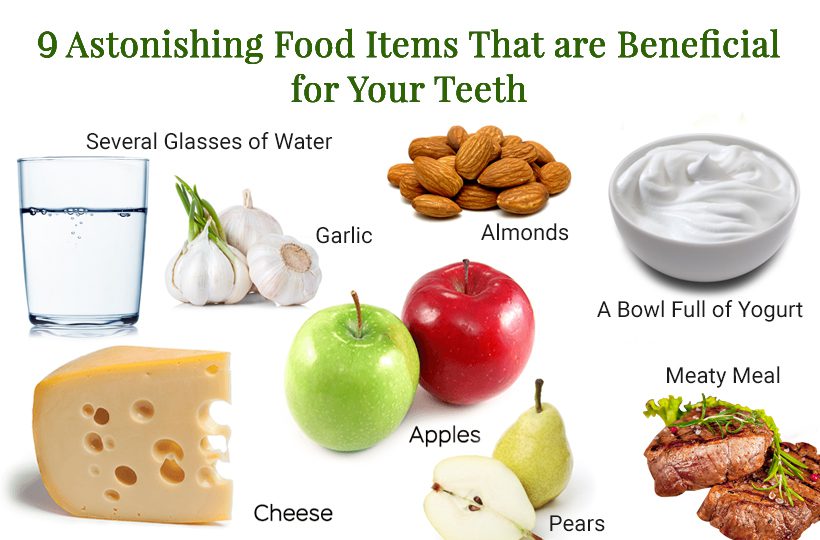
Fruits, vegetables, dairy products, and water help support healthy teeth, while sugary foods and drinks should be limited.
Why is fluoride important for children?
Fluoride helps strengthen tooth enamel and reduces the risk of cavities, making it an important part of children’s oral health care.