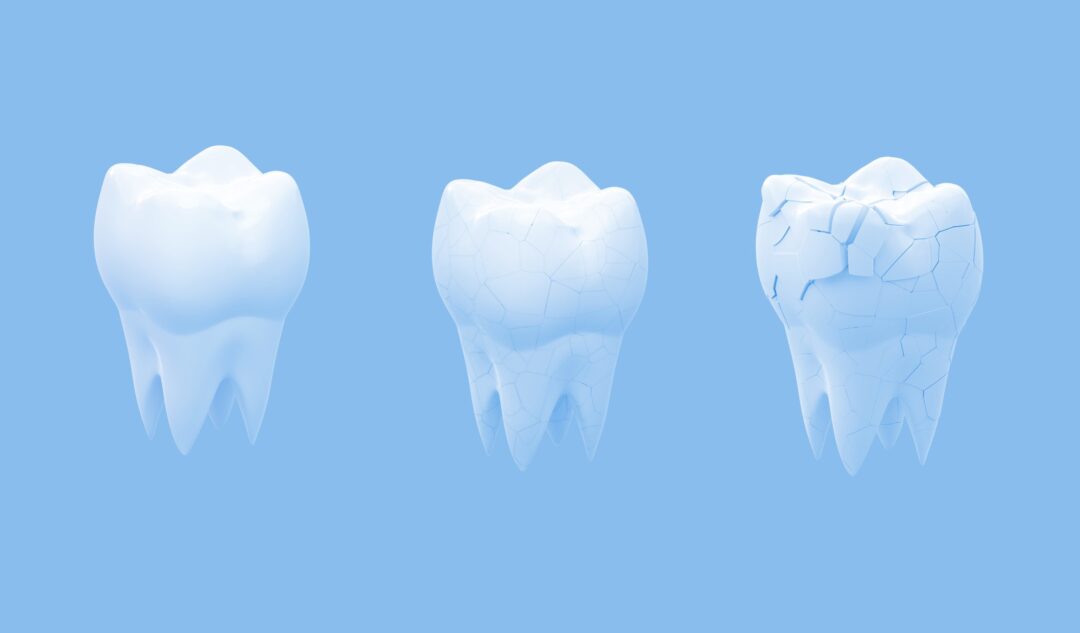
Tooth erosion is a common dental problem that gradually wears away the protective enamel of your teeth. It can lead to sensitivity, discoloration, cracks, and even tooth fractures if left untreated. Understanding its causes, symptoms, and treatment options can help you protect your smile and maintain long-term oral health. In this article, we’ll explore eight important facts about tooth erosion and how Royal Dental Clinics can help prevent further damage.
Who Is This Article For
- People experiencing tooth sensitivity.
- Individuals who frequently consume acidic foods and beverages.
- Patients with acid reflux or frequent vomiting.
- Anyone concerned about enamel loss or tooth wear.
- People looking for effective tooth erosion treatment and prevention tips.
What is tooth enamel erosion?
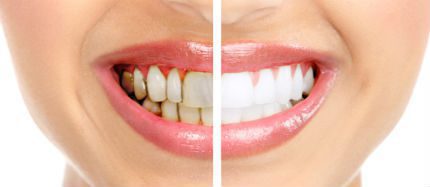
Enamel is the thin covering of the tooth surface. This shell is the hardest tissue in the human body. Enamel covers the crown which is the part of the tooth that’s visible outside of the gums. Coffee, tea, cola, red wine, fruit juices, and cigarettes etc. can cause erosion to enamel. Regular visits to your dentist for routine cleaning and polishing; which can help remove surface stains and keep your teeth healthy.
What does tooth enamel do?
Enamel helps protect your teeth from daily use such as chewing, biting, crunching, and grinding. Although enamel is a hard protector of teeth, it can chip and crack. Enamel also insulates the teeth from potentially painful temperatures and chemicals. When it erodes, you may notice that you react more to hot or cold foods, drinks, and sweets, since they can get through holes in your enamel to the nerves inside.
What is tooth erosion?
Dental erosion is the loss of the surface of your teeth due to the acids in food we eat or drink, or acids coming up from the stomach. These acids can dissolve the crystals that make the teeth; leading to tooth surface loss. The surfaces are smooth, hard, and polished. Erosion generally affects a group of teeth. In the early stages, it may be confined to the enamel, but it generally extends to involve the underlying dentin as well as the cementum.
Why Early Detection of Tooth Erosion Matters
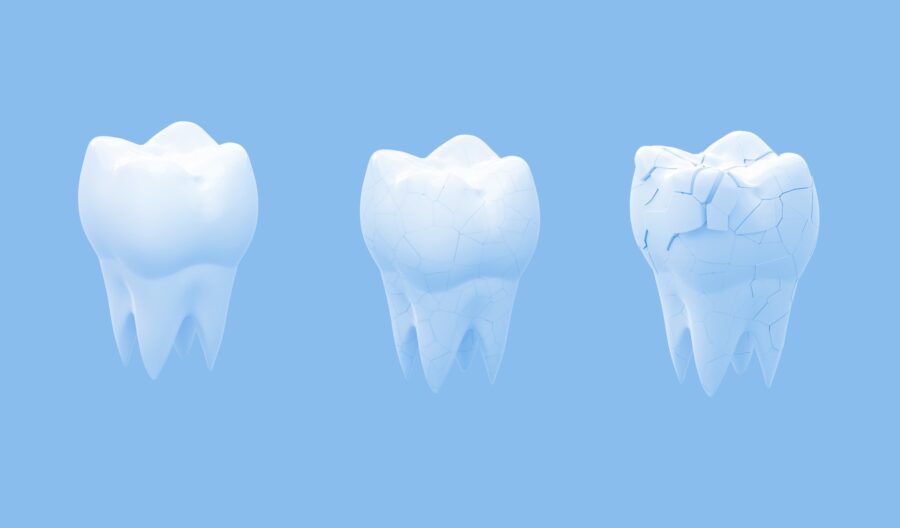
Tooth erosion often develops gradually, making it difficult to notice in its early stages. Mild enamel loss may not cause immediate pain, but over time it can lead to increased tooth sensitivity, discoloration, and structural damage. Regular dental check-ups help identify the early signs of tooth erosion before extensive treatment becomes necessary. Early diagnosis also allows dentists to recommend preventive measures such as fluoride applications, dietary modifications, and restorative treatments when required. Addressing tooth erosion at an early stage helps preserve natural tooth structure and reduces the risk of long-term complications.
Symptoms of Tooth Erosion that causes stain, wear, and tear:
Enamel erosion is a growing concern in clinical practice today, with 46% of young adults already showing signs of enamel erosion. Enamel erosion is a form of tooth wear caused by acid weakening the surface of tooth enamel.
- Dental stains: These are pigmented deposits on the teeth.
- Hypersensitivity: Enamel erosion can cause symptoms like tooth stains and sensitivity.
- Tooth Mobility: Due to tooth erosion, you may have slight physiological mobility of teeth.
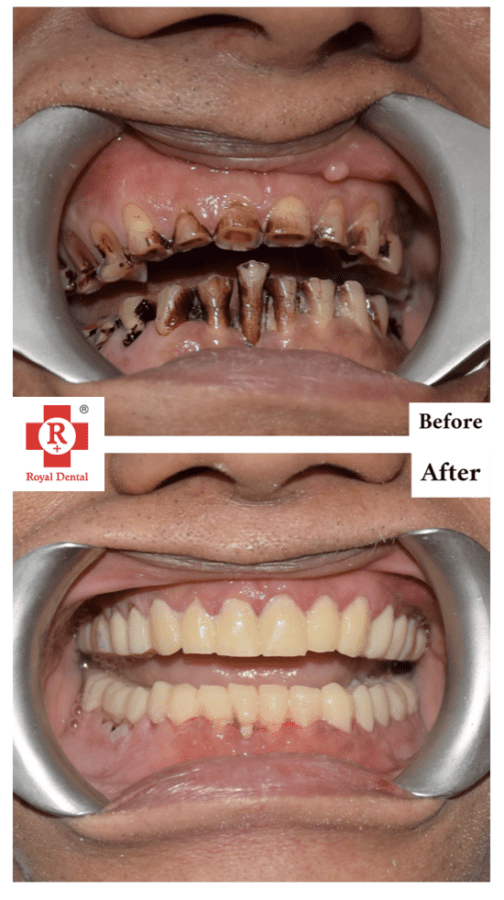
- Tooth Fracture: Erosion leads to loss of enamel and dentin, thus reducing the width of the tooth.
- Discolouration: As the enamel erodes, it leads to exposure of dentin which makes teeth appear yellow.
- Cracks and Chips: Erosion causes roughened and irregular tooth surfaces.
- Dry mouth: Saliva helps prevent tooth decay by washing away bacteria and leftover food in your mouth.
- Stress Medicines: Things in your environment (friction, wear and tear, stress, and corrosion)
Treatment for Tooth Erosion:
- Firstly, avoid acidic beverages, sodas, and citric juices. Furthermore, reduce the intake of acidic drinks in between meals. Inculcate healthy eating habits and a well-balanced diet. If acidic beverages are consumed more one should rinse the mouth with water.
- Secondly, consult your dentist for the right brushing technique. One should not use very hard-bristled toothbrush and abrasive toothpaste. Vertical and circular tooth brushing techniques help reduce tooth erosion to a great extent.
- Thirdly, As tooth erosion causes sensitivity, restoring the same would ease off the sensitivity. Furthermore, consult your dentist for primary restorations with light-cure fillings or tooth-coloured fillings. In addition, in case of severe erosion, your dentist may advise for root canal treatment and crown prosthesis.
- Fourthly, in cases of clenching of teeth, the dentist would advise fabrication of flexible translucent trays called night guards. These night guards are specially designed for individual patients depending upon the severity of the tooth loss. In addition, these night guards are designed to be worn by the patient during sleep at night.
- Drink lots of fluoridated water.
Daily Tips to Protect Your Tooth Enamel
Simple lifestyle changes can significantly reduce the risk of tooth erosion. Drinking water after consuming acidic foods or beverages helps neutralize acids, while using a soft-bristled toothbrush and fluoride toothpaste supports enamel protection. It is also advisable to wait at least 30 minutes before brushing after consuming acidic drinks, as brushing immediately may accelerate enamel wear. Maintaining a balanced diet, limiting sugary and carbonated beverages, and scheduling routine dental examinations are effective ways to protect your teeth. These preventive habits, combined with professional dental care, can help maintain strong enamel and support long-term oral health.
Can tooth enamel grow back?
Enamel is very tough. However, it doesn’t have any living cells and is unable to repair itself if it undergoes physical or chemical damage. This means that enamel erosion isn’t reversible, and the enamel won’t grow back. However, enamel erosion takes a long time. So even if you already have some enamel erosion, you can prevent it from becoming worse.
Tooth enamel is the hardest tissue in the body. The problem is, that it’s not living tissue, so it can’t be naturally regenerated. Unfortunately, you can’t regrow it artificially, either — not even with those special toothpastes.
How to Prevent Tooth Erosion
- Limit acidic foods and beverages.
- Drink fluoridated water.
- Use a soft-bristled toothbrush.
- Wait at least 30 minutes after consuming acidic foods before brushing.
- Maintain good oral hygiene.
- Visit your dentist regularly.
Conclusion
Although tooth erosion cannot be reversed once enamel is lost, early diagnosis and timely treatment can prevent further damage and preserve your natural teeth. By adopting healthy eating habits, practicing proper oral hygiene, and scheduling regular dental checkups, you can significantly reduce the risk of enamel erosion. If you’re experiencing tooth sensitivity or signs of enamel wear, the experienced team at Royal Dental Clinics can recommend personalized treatment options to restore your oral health.
Concerned about tooth erosion or sensitive teeth?
Book a consultation with the experienced dentists at Royal Dental Clinics for a comprehensive evaluation and a personalized treatment plan. You can also request a second opinion to understand the best options for protecting your tooth enamel and restoring your smile.
FAQs
1. What is tooth erosion?
Tooth erosion is the gradual loss of tooth enamel caused by acids from food, beverages, or stomach acid.
2. Can tooth enamel grow back?
No. Tooth enamel cannot regenerate naturally, but dentists can restore damaged teeth using appropriate treatments.
3. What causes tooth erosion?
Common causes include acidic drinks, citrus fruits, acid reflux, dry mouth, and teeth grinding.
4. How can I prevent tooth erosion?
Maintain good oral hygiene, reduce acidic food intake, use a soft-bristled toothbrush, drink fluoridated water, and visit your dentist regularly.
5. When should I see a dentist for tooth erosion?
If you notice tooth sensitivity, yellowing teeth, cracks, or worn tooth surfaces, schedule a dental consultation promptly.