
A moving tooth or loose tooth in adults is often a warning sign of an underlying dental problem that should not be ignored. While loose teeth are a normal part of childhood, tooth mobility in adults may result from gum disease, injury, teeth grinding, or bone loss. Early diagnosis and treatment can often save your natural tooth and prevent further complications.
Who Is This Article For?
- Adults with a loose or moving tooth.
- Patients experiencing bleeding gums or gum recession.
- Individuals with gum disease (periodontitis).
- People with dental trauma or teeth grinding habits.
- Anyone wanting to prevent tooth loss and maintain healthy gums.
Causes of Loose or Moving Teeth
Gum Diseases: Periodontitis is the most common reason for moving teeth. The infection causes degradation of gum health and resorption of bone which leads to tooth mobility. Pyorrhoea leads to progressive destruction of gums and surrounding tissues resulting from various microorganisms and host immune response against pathogens
Plaque: Plaque build-up over the teeth causes the gingiva around the teeth to recede. If the deposition occurs for a long time. It can cause tartar formation, thus leading to spacing between the teeth. Use waterpik.
Teeth grinding: Clenching the teeth under stress or at night in deep sleep may tear down the tissue and cause loose teeth.
Trauma or Injury: Loosening of teeth due to fracture or damage to the jaw bone observed. This phenomenon could be due to trauma to the surrounding tooth structures or the bone so as to which the bone resorbs and the grip of the teeth is loosened.
Poor Oral Hygiene: Gums or gingiva are soft tissues covering the root surfaces of the teeth and alveolar process of the jaw. Gums protect the teeth and the underlying bone against infection. It forms a tight seal against the teeth and the jaw bone. Good oral hygiene helps maintain gums in a healthy state. Poor oral hygiene leads to gum disease. Not maintaining oral hygiene is your first step to loose teeth.
Osteoporosis: It is a condition in which bone throughout the body become less dense and prone to fracture. Bone around the teeth lessens it density causing loose teeth
Hormonal Changes: specifically seen with pregnant patients where the progesterone and estrogen levels are high. These hormones cause ligaments and bone around the teeth to loosen, thus causing mobility of teeth.
Systemic Illness: Hypothyroidism and Diabetes both are the conditions which affect the gum and teeth health. If not under control can cause adverse effect to the oral cavity.
Habits: Habits such as smoking, Tobacco chewing, and betelnut chewing degrades the overall dental health. Along with stains and bad breadth it also has a carcinogenic effect on the soft tissues in the oral cavity.
Symptoms of a Moving Tooth
- Persistent bad breath
- Loose tooth
- Red or swollen gums
- Bleeding gums
- Pain while chewing
- Gum recession
- Pus discharge around the gums
Preventive Options: Save Moving Tooth
Maintaining proper Oral Hygiene: The art of brushing your teeth daily in the morning and at night leads to a good oral health. This helps to keep the cavities at bay. Cleaning your teeth daily can benefit you in many ways such as preventing caries, prevent tooth loss, brighten smile, freshen breathe, boost overall confidence.
Choosing the right Food Diet: Reduced in between snacking, cutting down on sugar intake, gargling soon after having food , keeping a check on what type of food we eat eg; fibrous food helps in cleansing food debris. Eat lots of fruits and green leafy vegetables. Aerated drinks needs to be avoided.
Drinking sufficient water: Drinking sufficient water plays a major role in protecting our teeth and maintaining ones oral hygiene. It helps to flush out toxins from the body Water also helps in preventing bad breath. Water helps in diluting the acids produced by bacteria in the mouth. One should drink 7-8 glasses of water per day.
Scaling and Root planning: Ultrasonic scalers or hand scalers are used to remove the plaque and calculus from the teeth surfaces and beneath the gums. The dentist then polishes the tooth surfaces for a smooth finish. Glycerine and hydrogen peroxide are used for smoothening the rough surfaces after scaling. In case of children, fluoride application or sealants are used to prevent tooth decay.
Medications: Medications like broad spectrum antibiotics, astringents, gum paints and mouthwashes helps to combat bacterial infection in the mouth.
Surgical Procedure: Procedures such as bone grafting, bone augmentation and splinting of the teeth with gingival flap regeneration can be helpful in saving healthy mobile teeth.
Dental Appliances: Night guards can help in reducing the stress imposed on the teeth and occlusion forces applied to the teeth while grinding. Hence, protecting the tooth from damage.
Why Choose Royal Dental Clinics?
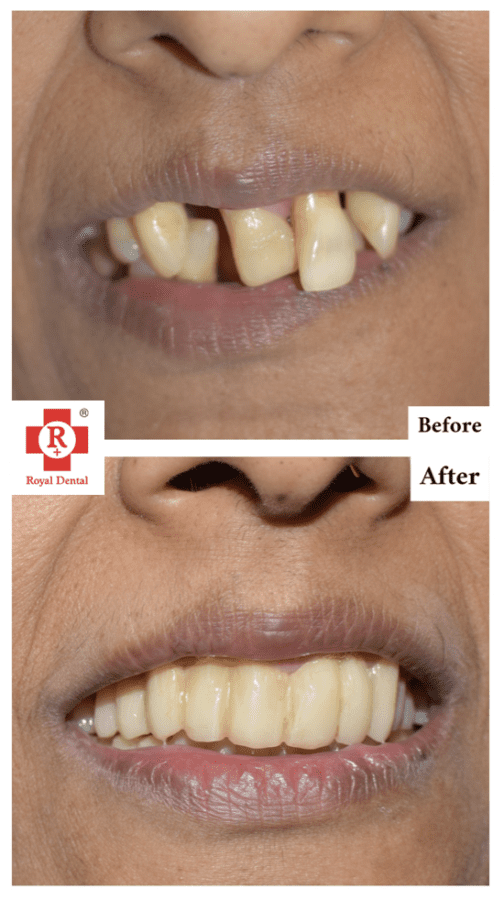
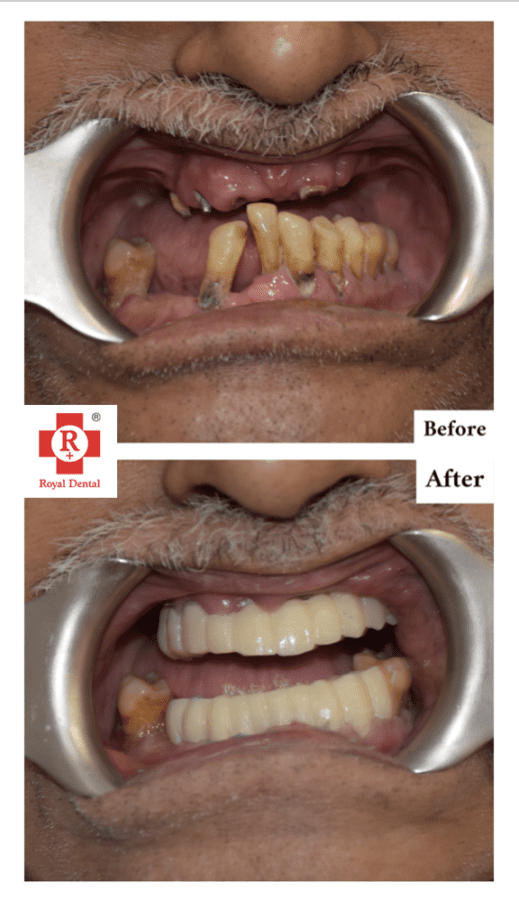
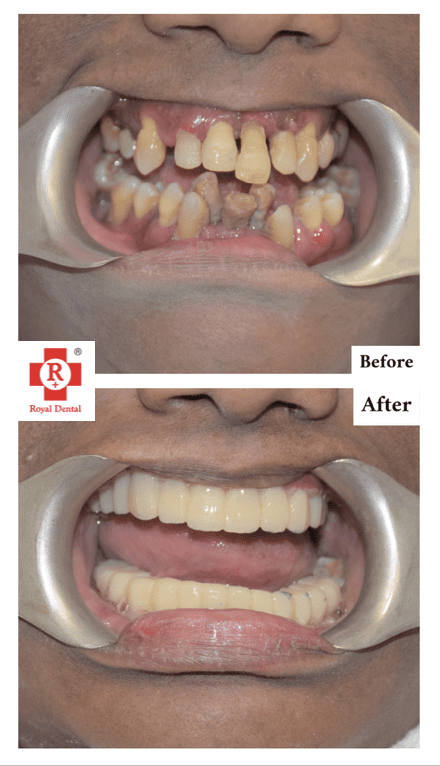
Royal Dental Clinics offers comprehensive diagnosis and treatment for loose and moving teeth using advanced periodontal care, digital diagnostics, splinting techniques, regenerative procedures, and personalised treatment plans. Our goal is always to preserve your natural teeth whenever possible.
Conclusion
A moving tooth should never be ignored, especially in adults. Most cases of tooth mobility are caused by conditions that can be successfully managed when diagnosed early. Maintaining excellent oral hygiene, scheduling regular dental check-ups, and seeking prompt treatment for gum disease or trauma can significantly improve the chances of saving your natural tooth.
Save Your Natural Tooth Before It’s Too Late
If you have a moving or loose tooth, don’t wait for the problem to worsen. Schedule a consultation at Royal Dental Clinics for a comprehensive evaluation and personalised treatment plan to preserve your natural smile.
FAQs
Can a moving tooth become firm again?
Yes. If treated early, a moving tooth caused by gum disease, trauma, or bite problems may regain stability depending on the severity of bone loss.
Is a loose tooth always caused by gum disease?
No. Tooth mobility can also result from injury, teeth grinding, osteoporosis, hormonal changes, or other medical conditions.
Can a loose tooth heal on its own?
A permanent loose tooth usually requires professional dental evaluation. Delaying treatment may increase the risk of tooth loss.
How is a moving tooth treated?
Treatment depends on the cause and may include deep cleaning, splinting, bite adjustment, gum surgery, bone grafting, or management of underlying health conditions.
When should I see a dentist?
You should seek dental care immediately if you notice a loose permanent tooth, bleeding gums, pain, swelling, or difficulty chewing.