

Whenever clinically possible, preserving a natural tooth is generally preferable to removing and replacing it. Natural teeth maintain normal sensation, support efficient chewing and help preserve the natural relationship between the teeth, gums and bite. A painful, infected, broken or loose tooth does not always require extraction. Depending on the diagnosis and remaining tooth structure, treatment options such as dental fillings, crowns, pulp therapy, root canal treatment, gum treatment, splinting or endodontic surgery may help retain the tooth.
However, not every tooth can or should be saved. Severe structural damage, advanced bone loss, an untreatable fracture or persistent infection may make extraction the more appropriate option. A clinical examination and suitable dental X-rays are therefore necessary to compare the likely benefits, limitations and long-term prognosis of saving the tooth versus replacing it.
Saving Natural Teeth: There’s Nothing Better
When you have a tooth removed, you can get a replacement, but no matter how good the replacement is, it’s never the same. When a tooth is extracted, it affects the natural structure of your mouth and removes the root. Replacements like dentures and bridges help restore your smile and chewing function, but they don’t replace the root. As a result, your jawbone doesn’t receive stimulation from chewing. Over time, you lose bone density, which leads to other tooth problems and changes in your facial appearance.
- Functionality: Natural teeth provide optimal chewing and biting efficiency. Replacing a tooth with a bridge or having your original tooth.
- Aesthetics: Your natural teeth maintain the shape of your face and your smile’s appearance. The loss of teeth can lead to bone resorption, which may alter your facial structure over time.
- Oral Health: Each tooth plays a vital role in maintaining the alignment of your bite. When a tooth is removed, the surrounding teeth can shift, leading to potential issues with misalignment or additional stress on adjacent teeth
What About Dental Implants?
Dental implants replace roots with a biocompatible titanium post, which helps with jaw stimulation. They still aren’t better than a healthy natural tooth, however. The process of getting dental implants also takes a while and they can be costly. If you’ve already lost a tooth, implants are great, but if you still have your natural tooth, we will do what we can to preserve it.
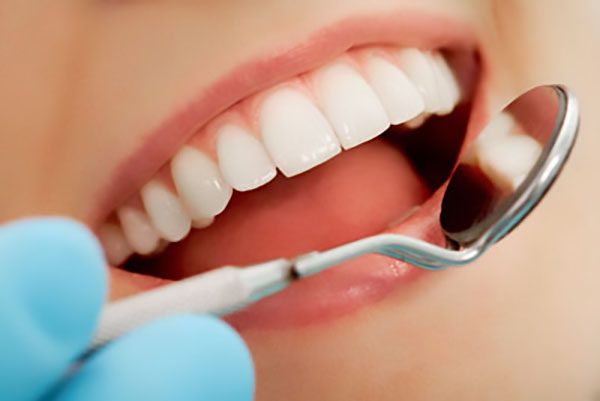
How We Save Natural Teeth?
Whenever possible, the team here at royal dental will save your natural teeth. A root canal is one of the most common and effective ways to do that. Root canals have a bad reputation, but they are a much better alternative to extraction and they have a high success rate. Thanks to modern dentistry, root canals are not scary anymore. After treatment, you might experience some inflammation or mild discomfort, but it’s nothing compared to what you likely felt before the root canal. Keeping your natural teeth isn’t just about a beautiful smile; it’s also about maintaining your oral health and overall well-being.
Here are some key steps to follow if you want to preserve your natural teeth:
Regular dental check-ups and cleanings
Regular visits to your dentists are crucial for maintaining a good oral health.Regular check-ups let your dentist spot any potential issues early on and take preventive measures to save your teeth. Professional cleanings help remove plaque and tartar buildup, reducing the risk of tooth decay and gum disease.
Good oral hygiene practices
Brushing your teeth twice a day and flossing daily are simple yet effective ways to prevent tooth decay and gum disease. Using a proper brushing technique and fluoride toothpaste are vital for removing plaque and protecting your teeth from cavities.
Exploring treatment options for damaged teeth
If you have a damaged tooth, it’s important to explore treatment options that can help save it. Depending on the severity of the damage, your dentist may recommend procedures such as fillings, crowns, or root canal therapy to restore the tooth’s functionality and prevent extraction.
Root Canal Treatment
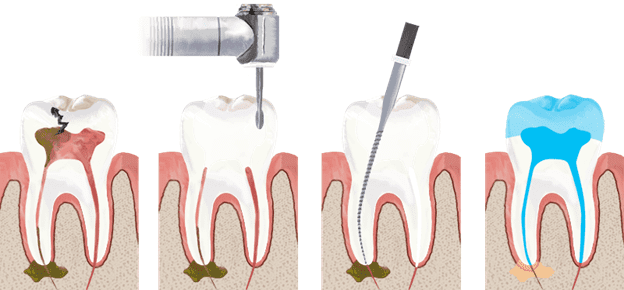
A root canal is a procedure used to treat infected or inflamed pulp within the tooth. The pulp, consisting of nerves and blood vessels, can become infected due to deep decay, repeated dental procedures, or trauma to the tooth.
Procedure of Root Canal Treatment
- Diagnosis and Anesthesia: The dentist or endodontist diagnoses the issue using X-rays and other diagnostic tools. Local anesthesia is administered to numb the area.
- Access and Cleaning: An opening is made in the tooth to access the pulp chamber and root canals. Specialized instruments are used to remove the infected pulp.
- Shaping and Disinfection: The empty canals are shaped and thoroughly disinfected to eliminate bacteria.
- Filling and Sealing: The cleaned canals are filled with a biocompatible material called gutta-percha, and the tooth is sealed to prevent reinfection.
- Restoration: A crown or filling is placed on the tooth to restore its function and appearance.
Benefits
– Relief from pain and infection.
– Preservation of the natural tooth structure.
– High success rate with proper care.
What is Pulp Capping?
Pulp capping is a treatment used to protect the dental pulp after it has been exposed or nearly exposed due to decay or injury. It aims to preserve the pulp tissue and prevent the need for a root canal.
Types:
- Direct Pulp Capping: Applied directly over exposed pulp tissue. A biocompatible material, such as calcium hydroxide or mineral trioxide aggregate (MTA), is placed over the pulp to promote healing and regeneration.
- Indirect Pulp Capping: Used when the pulp is nearly exposed. A protective dressing is placed over a thin layer of remaining dentin to avoid pulp exposure and promote healing.
Procedure:
- Removal of Decay: Decay is carefully removed to avoid exposing the pulp.
- Placement of Capping Material: The capping material is applied to protect the pulp.
- Sealing: The tooth is sealed with a filling or crown to protect against further decay or damage.
Benefits:
- Prevents the need for more extensive treatments.
- Encourages the pulp to heal and continue supporting the tooth.
- Maintains the vitality of the tooth.
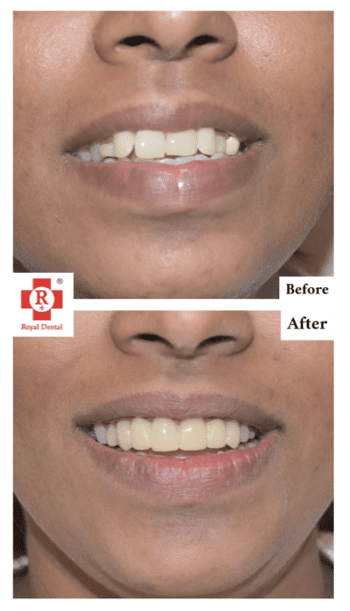
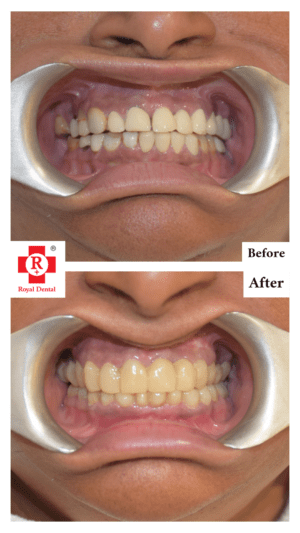
Alternatives to Root Canal Treatment
While root canal treatment is a highly effective method for saving infected or damaged teeth, there are alternative treatments that can also preserve the function and aesthetics of your natural teeth. These alternatives vary based on the severity of the condition, the specific needs of the patient, and advancements in dental technology.
Endodontic Surgery
Endodontic surgery, also known as apical surgery or apicoectomy, is a procedure used to treat persistent infections or issues at the root tip of the tooth that cannot be resolved with conventional root canal treatment. Procedure
1. Incision: A small incision is made in the gum tissue near the affected tooth to expose the underlying bone and root.
2. Removal of Infected Tissue: The infected tissue and the tip of the root are removed.
3. Root End Filling: A filling is placed at the root tip to seal the canal and prevent further infection.
4. Healing: The gum is sutured back, and the bone naturally heals around the root over time.
When is it Needed?
– When a root canal treatment has failed and the infection persists.
– When the root canals are blocked and cannot be treated non-surgically.
– To remove cysts or other growths at the root end.
Benefits:
– Resolves issues that cannot be addressed with a standard root canal.
– Helps save the natural tooth from extraction.
– Effective in promoting long-term oral health.
Dental Crowns and Fillings
Dental crowns and fillings are restorative treatments used to repair and protect damaged or decayed teeth. They are often considered when the damage is not severe enough to require a root canal but still needs intervention to restore tooth function and aesthetics.
Dental Fillings:
– Procedure: Decayed or damaged tooth material is removed, and the cavity is filled with materials such as composite resin, amalgam, or gold.
– When Used: For minor to moderate tooth decay or damage.
– Benefits: Restores the tooth’s shape and function, prevents further decay.
Dental Crowns:
Procedure: A crown, or cap, is placed over the entire visible portion of the tooth after it is shaped to fit the crown. This procedure usually requires two visits, one for preparation and impressions, and another for placement.
- When Used: For severely decayed or damaged teeth, to cover a large filling, or to protect a tooth after root canal treatment.
- Benefits: Provides strength and stability, restores tooth appearance, protects against further damage.
Conclusion
Preserving your natural teeth should be a priority for your long-term oral health and overall well-being. With the latest in endodontic technology and specialized, board-certified care, saving your teeth is more achievable than ever before. At Royal Dental Clinic we can restore some of this function, but it’s often not quite the same a, we are committed to providing the highest level of care to help you maintain your smile for a lifetime.