
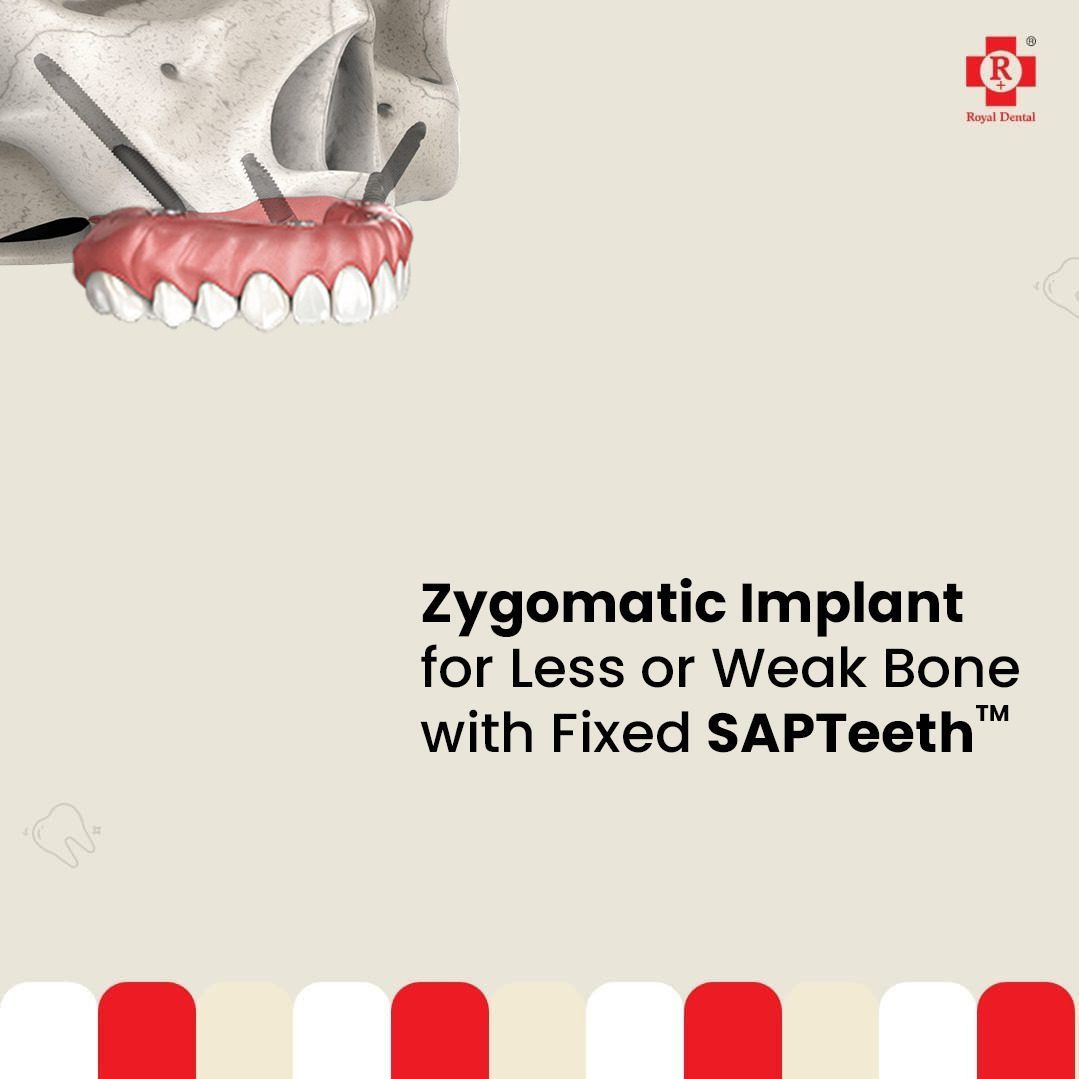
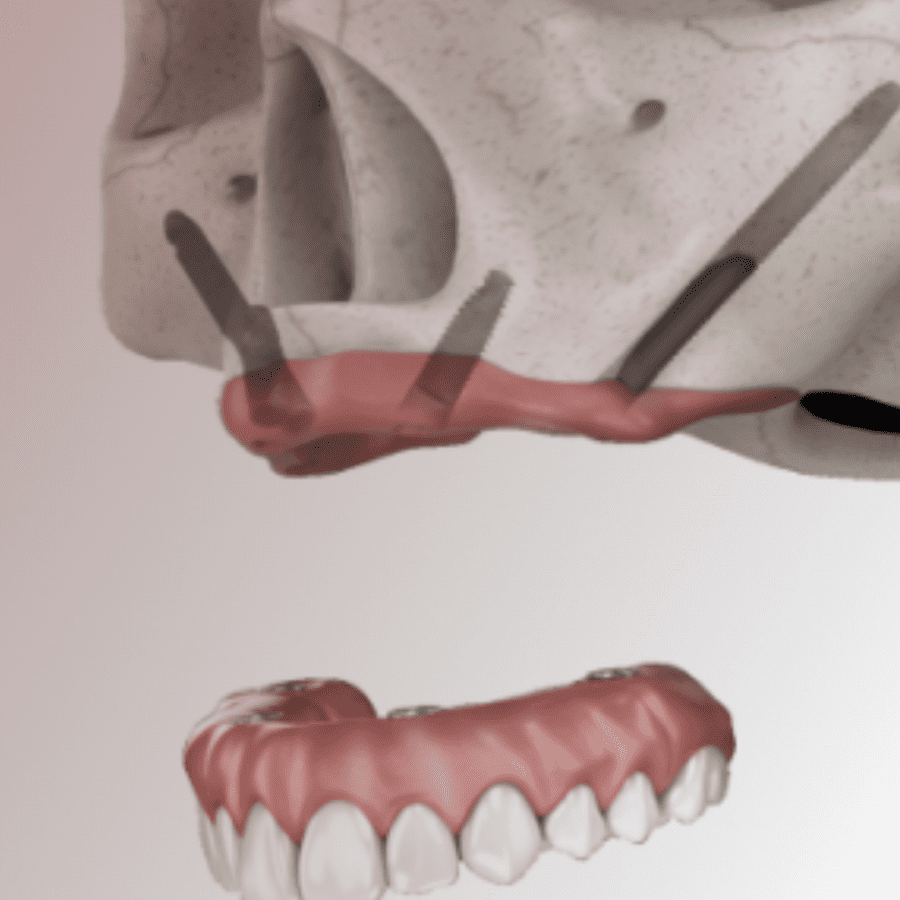
A zygomatic dental implant is a specialised implant designed for patients with severe bone loss in the upper jaw who may not be suitable candidates for conventional dental implants. Unlike traditional implants that are anchored into the jawbone, a zygomatic dental implant is secured in the zygomatic (cheek) bone, providing a stable foundation for fixed replacement teeth in complex cases.
If you are considering tooth replacement and wondering whether a conventional dental implant or a zygomatic dental implant is the better option, understanding the differences between these treatments is essential. This guide explains how each procedure works, their benefits, indications, limitations, and how your dentist determines the most appropriate treatment for your individual needs.
Who is this article for?
- Patients with missing upper teeth
- Individuals with severe upper jaw bone loss
- Patients considering full-mouth rehabilitation
- People exploring alternatives to bone grafting
- Anyone comparing dental implants with zygomatic implants
Types of Dental Implants
Implants are a really good option for replacing teeth. There are two main types of implants: Zygomatic implants and Dental implants. Dental implants inserted into the mouth and can be placed on either the top or bottom jawbone. The bone would need cut open to insert an implant. A zygomatic implant attached directly to the bone on the side of your face, not in your mouth. Implants come in different sizes and shapes.
Zygomatic Implant vs Dental
One of the main differences between a zygomatic implant and dental implant is the way they are inserted into your mouth. A zygomatic implant is usually attached to the check bone while dental implants are inserted into your jaw bone. A zygoma implant is considerably longer than a dental implant; as opposed to the dental implant which are comparatively shorter.
Dental implants are a really good option for replacing teeth. They inserted into your jawbone and they have to be surgically placed, which means that you’ll need to visit a dentist or oral surgeon before getting them. One of the major benefits of dental implants is that they can still provide you with natural feeling teeth!
Function and Insertion
In the event that you have been investigating getting dental implants, you may have run over a particular sort of implant known as zygomatic implant. Since this kind of implant is relatively new, odds are you may not know particularly about zygomatic implant and how they contrast with regular dental implant.
In cases where there is virtually no bone, weak or minimal bone, dental implants are feasible with or without bone grafting. Furthermore, all teeth in a jaw can be fixed on merely 4 implants, called All-on-4 Technique.

Need for Zygomatic Implant over Dental Implant?
- Decreased width and height of bone over time or with ageing.
- Poorer bone quality in the upper jaw due to age or bone resorption.
- Multiple failed dental implants in the upper jaw.
- Bruxism or night grinding habit due to stress or anxiety.
- The presence of air spaces or sinus in the upper jaw.
Advantages
- One-stage technique which means the patient can get fixed teeth on the same day
- Quicker healing time as we can now do the treatment with pinhole technique
- Effective option for patients who cannot have traditional implants due to bone
- Regular looking with long-term success rate
Conclusion
Both conventional dental implants and zygomatic dental implants are highly effective solutions for replacing missing teeth, but they are designed for different clinical situations. Conventional implants are ideal for patients with adequate jawbone, while zygomatic dental implants provide an advanced solution for individuals with significant upper jaw bone loss. A comprehensive clinical evaluation by an experienced implant specialist is essential to determine the most suitable treatment plan and achieve long-term success.
Wondering whether a conventional dental implant or a zygomatic dental implant is right for you? Schedule a consultation at Royal Dental Clinics for a comprehensive assessment and personalized treatment plan tailored to your oral health and bone condition.
FAQs
1. What is a zygomatic dental implant?
A zygomatic dental implant is a longer dental implant anchored into the cheekbone instead of the upper jawbone for patients with severe bone loss.
2. Are zygomatic dental implants better than regular dental implants?
Not necessarily. Conventional dental implants remain the preferred option when sufficient jawbone is available. Zygomatic implants are intended for more complex cases involving severe upper jaw bone loss.
3. Can they eliminate the need for bone grafting?
In many suitable cases, they can reduce or avoid the need for extensive bone grafting, although treatment depends on the patient’s condition.
4. Who is a good candidate for it?
Patients with advanced upper jaw bone loss, failed implant treatment, or inadequate bone for conventional implants may be suitable candidates following specialist evaluation.
5. How long do they last?
With proper oral hygiene, routine dental care, and regular follow-up, zygomatic dental implants can provide long-term function for many years.