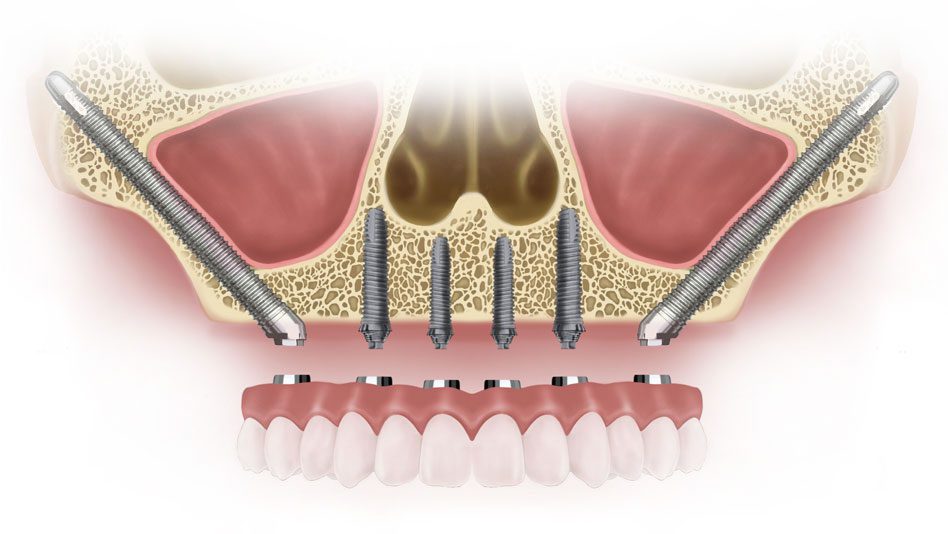
Zygomatic Dental Implant treatment is an advanced solution for patients with severe upper jaw bone loss who may not be suitable for conventional dental implants. By anchoring implants into the zygomatic (cheek) bone, this procedure can restore fixed teeth with excellent stability and, in many cases, provide same-day teeth. This guide explains the procedure, eligibility, recovery, and benefits of zygomatic dental implants.
Who Is This Article For?
- Patients with severe upper jaw bone loss.
- Individuals who have been advised bone grafting.
- People looking for fixed teeth instead of removable dentures.
- Patients exploring same-day full-mouth rehabilitation.
- Anyone considering advanced dental implant solutions.
Smile Back with Taste of Life
When it comes to the relationship between the zygomatic implant and teeth, one of the most important things to discuss is how a smile can be a powerful tool in overcoming difficult emotions. The zygomatic implant will help you feel better about your facial features and this could promote a more positive outlook on life. When you have a feeling of bliss, you are more inclined to work better and live healthier in your life.
Benefit Your Mental Health
One of the most obvious benefits of zygoma implants is that it helps you feel more confident about your smile. When people feel good about their appearance, they often take on a more positive outlook on life. Being confident in yourself tends to be helpful for emotional well-being. It can also help with pangs of low self-esteem.

Minimally Invasive Procedure
Another reason zygomatic implants are important is because they don’t require any surgery on the face. The process is done without any cutting or scraping, so it’s virtually painless and less invasive than other procedures. Zygomatic implants also offer natural-looking results without having to undergo major surgery.
What’s nice about zygomatic implants is that they offer something for those who were once told that due to less bone dental implants are not possible. Having a viable alternative to removable complete dentures with fixed teeth is the best possible scenario for missing teeth.
Who is Eligible for Zygomatic Implants?
Zygomatic implants are not for everyone. You may be eligible for this treatment if you have limited or virtually no bone structure, missing teeth or have lost teeth due to oral cancers. If you have been advised bone grafting of upper jaw then zygomatic implants should be considered as they may offer higher success rate.
What Are Zygomatic Implants?
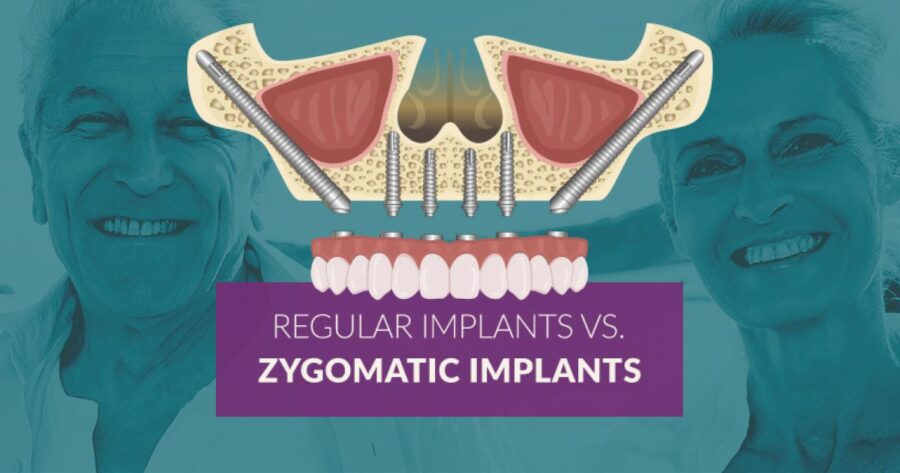
Zygoma Implants are a type of dental implant that is used to replace the teeth of the upper jaw while taking anchorage from the zygoma or the cheek bone.
What do zygomatic implants do?
One can use zygomatic implants to correct missing teeth in the upper jaw caused by missing or damaged parts of the upper jawbone. This can be due to an accident, disease or congenital defect. The implants will help you maintain a more natural appearance and function.
Do zygomatic implants improve emotional health?
Yes! One can experience better moods, improved self-esteem and reduced anxiety with treatment from zygomatic implants. Zygomatic implants can help patients feel like they’re finally getting back what was once lost and will lead them on their journey to recovery. Patients may find themselves feeling much happier about life because they now have a beautiful smile that’s giving them motivation everyday.
How Does the Procedure Work?
The implants are attached to the upper jaw and the zygoma bone. They serve as a base for the SAPTeeth to take anchorage from, as well as a support structure. Implant-supported dentures are the perfect solution for those who have lost all of their teeth or had them removed. Without implants, dentures would have a difficult time attaching to your mouth and staying in place.
In order to prepare for zygoma implants, a procedure is usually needed first. This can now be done without any incisions or cut on the inside or outside of the mouth, which makes it easier to heal. Traditionally, it takes about three months for new teeth to be placed in after surgery has been completed, but with the latest technology and advancement in material science now the teeth can be placed in the same sitting or in one day itself. This is called as Same Day Fixed Teeth with Dental Implants.
Advanced Planning for Predictable Results
Every zygomatic dental implant procedure begins with detailed diagnostic planning. Advanced CBCT imaging and digital treatment planning allow the surgeon to evaluate bone quality, identify important anatomical structures, and determine the ideal implant position. Careful planning improves treatment accuracy, enhances safety, and helps achieve stable, long-lasting results.
What Are Some Possible Side Effects?
There are a few possible side effects that can come with zygomatic implants. This includes things like temporary change in speech and swelling, and the need to take anti-inflammatory medications. Many of these potential side effects will go away within a few weeks. However, there is a chance that they could linger longer if you don’t seek proper medical attention or follow up.
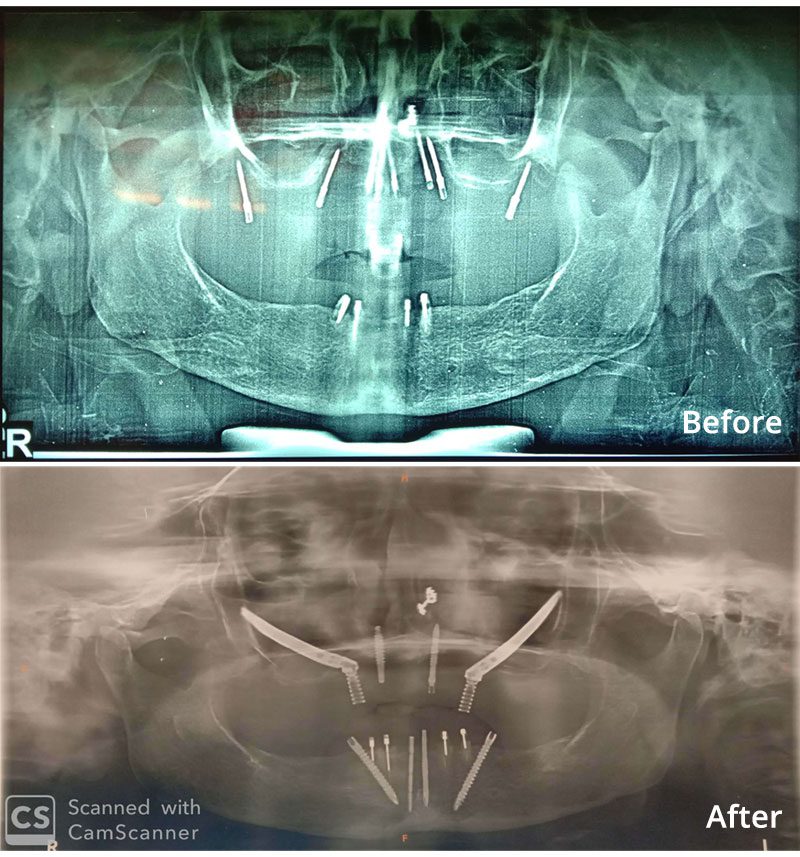
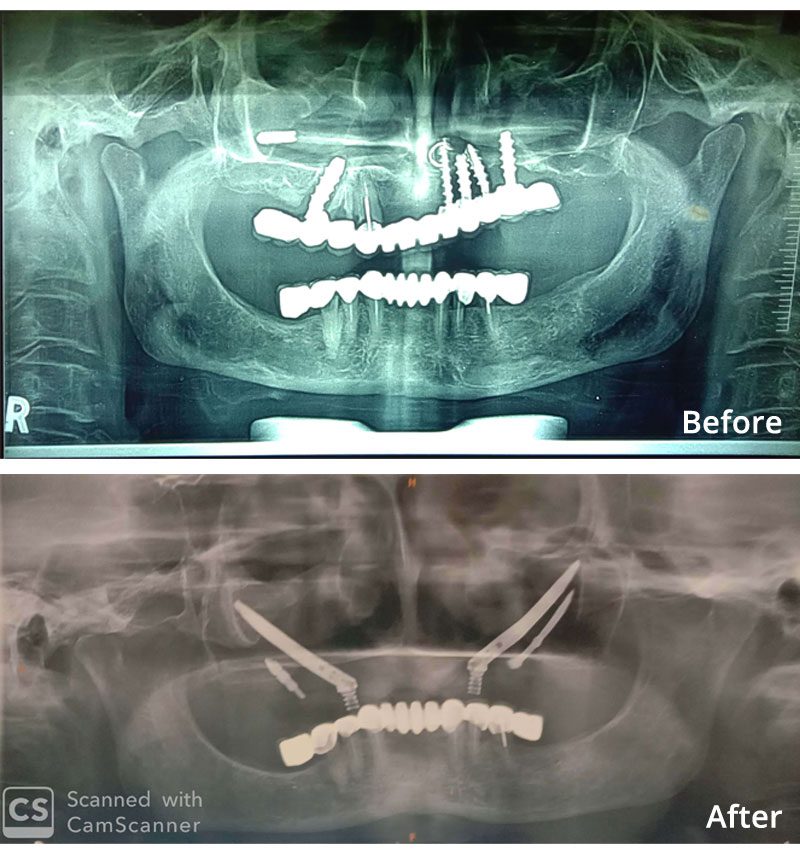
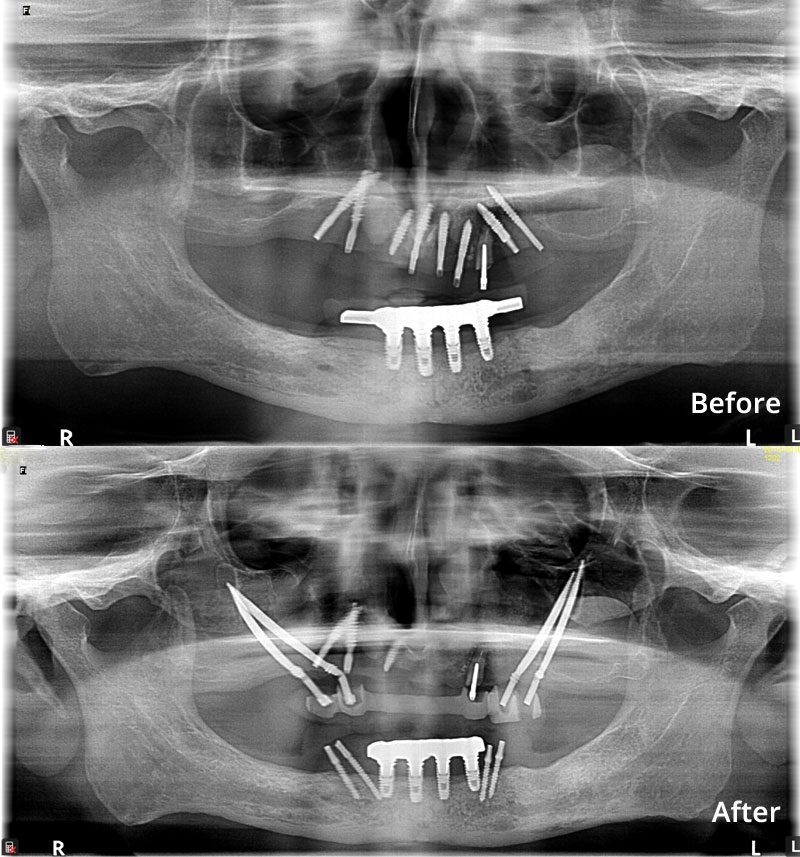
What After Zygomatic Dental Implant Procedure?
Zygomatic implants use retained bone and artificial teeth to cover the maxilla. Typically, patients will eat non spicy meals on the same day and take medications as per prescription. The surgery may cause some swelling and bruising but these should disappear within a few days. Lets hear a patient what the recovery is like after zygomatic implant.
Long-Term Care After Zygomatic Dental Implants
Maintaining excellent oral hygiene and attending regular follow-up appointments are essential for the long-term success of zygomatic dental implants. Patients should follow the dentist’s instructions regarding cleaning techniques, diet during the healing phase, and routine professional check-ups to help keep the implants healthy and functioning well for many years.
Conclusion
A zygomatic dental implant offers an advanced and reliable solution for patients with severe upper jaw bone loss who want fixed teeth without extensive bone grafting. With modern imaging, digital planning, and experienced surgical care, many patients can restore their smile with predictable results and improved quality of life. At Royal Dental Clinics, every treatment plan is customized to ensure safety, comfort, and long-term success.
Considering a zygomatic dental implant for severe upper jaw bone loss?
Book a consultation with the experienced oral and maxillofacial surgeons at Royal Dental Clinics. We’ll evaluate your condition, explain every treatment step, and create a personalized treatment roadmap. You can also request a second opinion before starting treatment.
FAQs
1. What is a zygomatic dental implant?
A zygomatic dental implant is a longer implant anchored into the cheekbone instead of the upper jaw, making it suitable for patients with severe bone loss.
2. Who is eligible for a zygomatic dental implant?
Patients with significant upper jaw bone loss, failed implants, or those advised to undergo bone grafting may be suitable candidates after a specialist evaluation.
3. Can I receive fixed teeth on the same day?
Depending on your oral condition and treatment plan, many patients may receive immediate temporary fixed teeth on the same day as implant placement.
4. Is the zygomatic dental implant procedure painful?
The procedure is performed under appropriate anesthesia or sedation, and most patients experience manageable discomfort during recovery with prescribed medications.
5. How long do zygomatic dental implants last?
With proper oral hygiene, regular dental visits, and good overall health, zygomatic dental implants can provide long-term function and stability.