
Cancer Affected Jaw is a serious condition that can occur when oral cancer spreads to the jawbone and surrounding teeth, affecting essential functions such as eating, speaking, and smiling. A diagnosis of oral cancer can be life-changing, but advances in jaw reconstruction, dental implants, and oral rehabilitation now offer many patients the opportunity to restore both function and appearance. With modern 3D surgical planning and multidisciplinary care, recovery has become more predictable and effective than ever before.
Who Is This Article For?
- Patients diagnosed with oral cancer
- Individuals requiring jaw reconstruction after cancer surgery
- Family members looking for rehabilitation options
- Patients considering dental implants after cancer treatment
- Anyone seeking information about restoring oral function following oral cancer
Dental Assessment Before Oral Cancer Treatment
A dental assessment should ideally form part of the treatment planning before radiotherapy or major oral cancer surgery. The dentist or oral surgeon may evaluate existing infections, loose or damaged teeth, gum disease, previous dental work, oral hygiene and the condition of the jawbone. Treating potential dental problems before cancer therapy may reduce the need for emergency dental procedures during or after treatment. The dental plan should be coordinated with the oncologist, oral and maxillofacial surgeon and rehabilitation team so that cancer treatment is not unnecessarily delayed.
What Is a Cancer Affected Jaw?
Oral cancer can develop on the tongue, cheeks, gums, floor of the mouth, lips, or jawbone. As the disease progresses, it may damage surrounding bone and teeth, requiring surgical removal of affected tissues. Common risk factors include:
- Tobacco use
- Smoking
- Excessive alcohol consumption
- Poor oral hygiene
- Chronic irritation from damaged teeth
- HPV infection (in some patients)
Early diagnosis significantly improves treatment outcomes.
Advanced Jaw Reconstruction After Oral Cancer
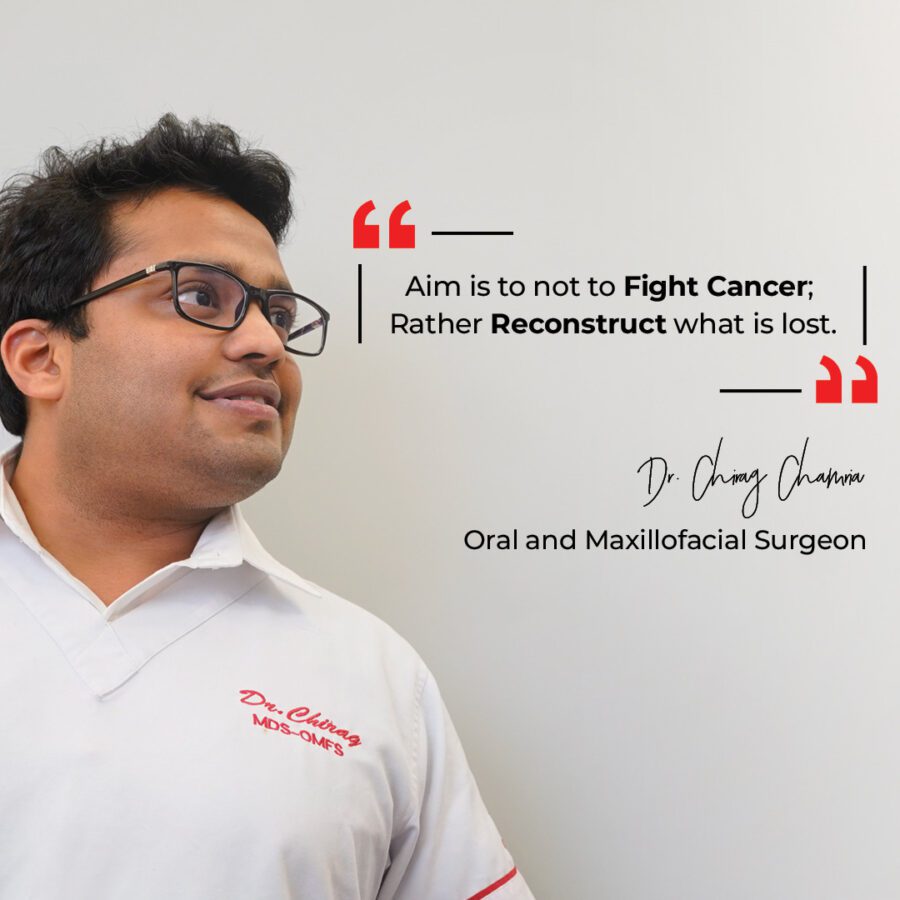
Modern oral cancer rehabilitation focuses on restoring both health and quality of life. With advanced 3D surgical planning and customized dental implant protocols, many patients can begin rehabilitation much earlier than was previously possible. Following cancer removal surgery, specialists may reconstruct:
- Jawbone
- Soft tissues
- Facial muscles
- Missing teeth
Revolutionary CAJTeeth Technology at Royal Dental Clinics
The restoration of teeth allows for a more normal eating and oral function. Traditionally, any dental rehabilitation after cancer treatment, deferred by at least 2 years. But now with the advancement in 3D modules, the tooth at the same time as that of the surgery.
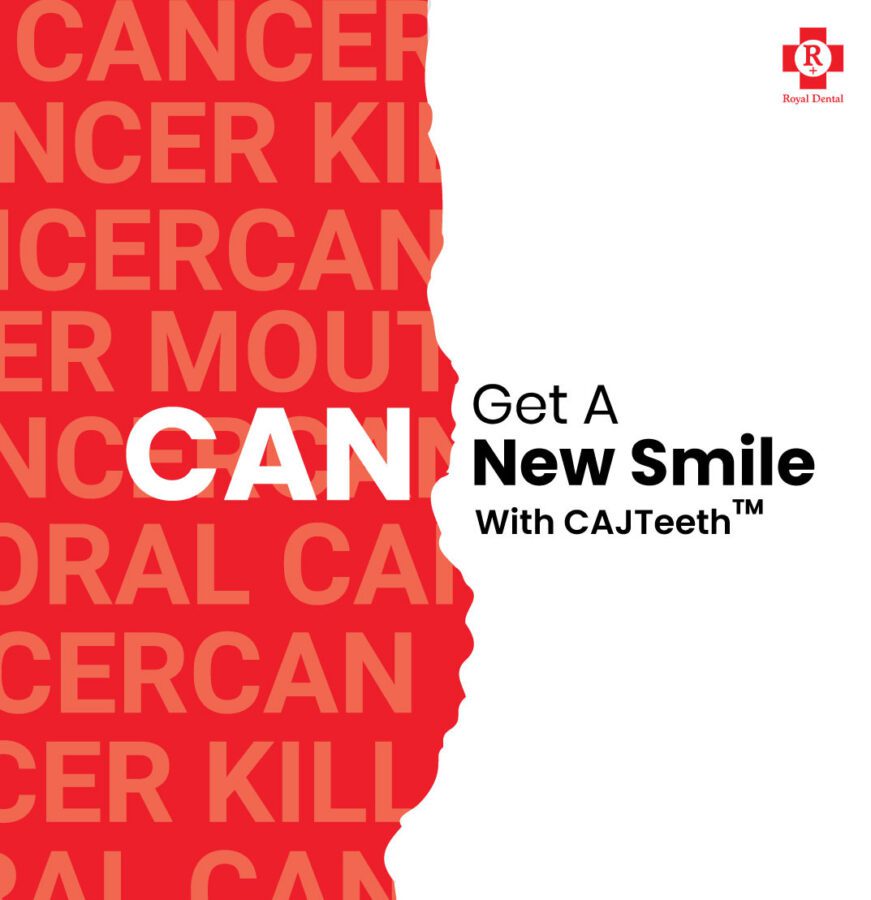
CAJTeeth begins with confirmation of the suspicion during a biopsy or surgical intervention. The course of action protocol established based on medical findings and patient needs. Reclamation includes recommendations such as orthodontics, dietetics and speech therapy. As needed, as well as retention guidelines to ensure stability and longevity of restored it.
The treatment protocol recommended for CAJTeeth
Innovative approach has improved quality of life for those who diagnosed with it by achieving stability and longevity of restore it. All this while preserving normal eating functions and movement at the same time as that of their surgery.
Confirmation and diagnosis of Oral Cancer
Biopsies and X-rays are some of the aids which used by the doctor to get a confirmation. Once confirmed, based on multiple factors, like location, size and the aggressiveness a provisional plan chalked by the consultant. They are curable with nearly normal quality of life after the medicaments if treated in time. Most removed with surgery and then reconstructed. In advanced stages, surgery may still attempt called as salvage surgery. The goal of the surgery is to get the best possible chance for survivability with good quality of life.
Oral Cancer Surgery with full mouth SAPTeeth.
Based on the prognosis and quality of life, a surgery planned and executed with the help of the expertise of an Oral Cancer and Rehabilitative Surgeon. Sometimes, a pre or post treatment radiation therapy or chemo therapy recommended.
During that the abnormal tissues removed and a reconstruction done to recreate the tissues lost. Bone replaced with bone, muscle with muscle and skin with skin. The tooth which lost can also be replaced with the help of metallic or non-metallic custom dental implants.
Oral Cancer Rehabilitation
These treatments are not merely a one-time procedure and cure. It takes a big toll especially on the mental health of the patient as well as the family. Therefore important to understand the post rehabilitation which is the most important step in the recovery. Certain lifestyle modifications required such as diet modifications, and speech therapy.
Technology for Cancer Affected Jaw and Teeth?
CAJTeethTM is a method driven advanced protocol that allows the expertise of the dentist, oral cancer surgeon and plastic surgeon to see the patient’s mouth and tooth and what will happen with their bite after treatment. This expertise transferred to modelling software’s which helps the surgeon plan the best course of action for the patient.
Used both before and after protocol to help ensure that your smile will be almost as good as it was before, post. It also allows for a more predicable result. It provides valuable information which helps make sure that your oral health needs are met.
Benefits of Early Rehabilitation
- Restore chewing efficiency
- Improve speech
- Enhance facial appearance
- Maintain jaw function
- Improve confidence and quality of life
How Radiotherapy or Chemotherapy Can Affect the Teeth and Jaw
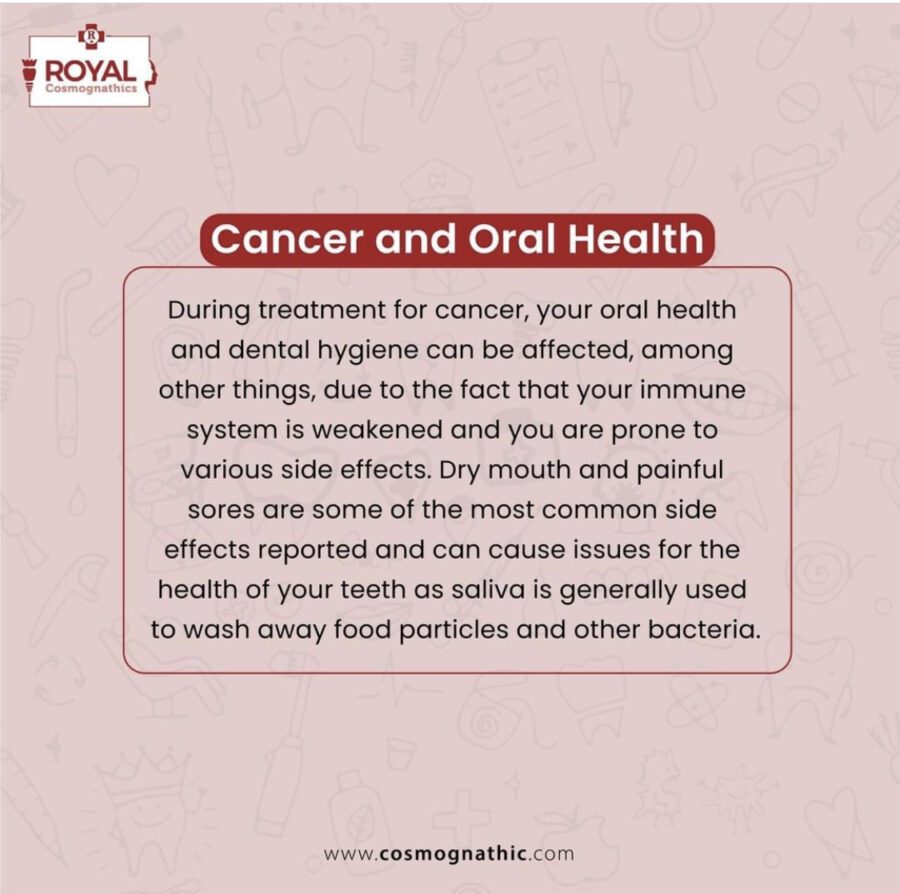
Cancer treatment can affect the mouth differently in every patient. Head and neck radiotherapy may contribute to dry mouth, altered taste, tooth decay, gum problems, mouth soreness, reduced mouth opening and slower healing of the jawbone. Chemotherapy may temporarily increase the risk of mouth ulcers, bleeding and infection, particularly when immunity is reduced. These factors should be considered before planning extractions, implants or a permanent dental prosthesis after cancer treatment.
What Are the Options for Replacing Teeth After Jaw Cancer Surgery?
Teeth can be restored using different methods depending on the location and extent of the jaw defect. Options may include a removable denture, an obturator for selected upper-jaw defects, an implant-retained prosthesis or fixed teeth supported by dental implants. Some patients may first receive a temporary prosthesis while the surgical site heals and their bite stabilises. The final choice depends on the remaining bone, reconstructed tissues, radiation history, ability to maintain hygiene and the patient’s functional needs.
Can Dental Implants Be Placed After Oral Cancer Treatment?
Dental implants may be possible for selected patients after oral cancer surgery, but they are not automatically suitable for everyone. The team must consider whether the cancer is under control, the location and dose of any radiotherapy, the quality of the remaining or reconstructed bone, soft-tissue healing, general health and oral hygiene. Research indicates that implant survival can be lower in irradiated jaws than in non-irradiated bone, while osteoradionecrosis, although uncommon, is a serious potential complication. Implant treatment should therefore be planned jointly by the cancer surgeon, restorative dentist or prosthodontist and the radiation oncologist where appropriate.
Conclusion to Cancer Affected Jaw Teeth
A cancer affected jaw does not necessarily mean permanent loss of oral function. Advances in oral cancer surgery, jaw reconstruction, digital planning, and dental implant rehabilitation have transformed treatment outcomes. With timely diagnosis and a multidisciplinary treatment approach, many patients can regain comfortable eating, speaking, and smiling.
If you or a loved one has been diagnosed with oral cancer or requires jaw reconstruction after cancer treatment, consult the specialists at Royal Dental Clinics. Our multidisciplinary team provides comprehensive diagnosis, reconstructive surgery planning, and advanced dental rehabilitation to help restore your oral function and quality of life.
Eating, Taste, Speech and Swallowing After Jaw Cancer Surgery
Recovery involves more than replacing missing teeth. Surgery, radiotherapy and chemotherapy may temporarily or permanently change taste, saliva production, tongue movement, chewing ability, speech or swallowing. Patients may initially require softer foods, texture modification or nutritional supplementation. A dietitian and speech-and-swallowing therapist can work with the dental and surgical team to help the patient gradually regain safer eating, clearer speech and greater confidence in social situations.
Oral Hygiene and Care of the New Teeth
Regular maintenance is especially important after oral cancer rehabilitation. Patients should clean their remaining teeth, gums, implants and prosthesis according to the instructions provided by their clinical team. Dry mouth, reduced mouth opening and altered anatomy can make cleaning difficult, so specialised brushes, professionally prescribed fluoride products or other supportive measures may be recommended. Dentures and removable prostheses should also be checked for pressure areas because persistent rubbing may injure delicate reconstructed or irradiated tissues.
Long-Term Follow-Up After Oral Cancer Rehabilitation
Oral rehabilitation is an ongoing process rather than a single procedure. Follow-up appointments allow the team to monitor healing, bite changes, implant stability, prosthesis fit, oral hygiene and cancer surveillance. Patients should arrange an earlier review if they develop increasing pain, swelling, persistent bleeding, a non-healing wound, exposed bone, a loose prosthesis, worsening mouth opening or increasing difficulty with eating and swallowing. The dentist should always be informed about previous surgery, chemotherapy and radiotherapy before any invasive dental procedure is planned.
FAQs
1. Can teeth be replaced after oral cancer surgery?
Yes. Depending on your recovery and bone condition, dental implants or other prosthetic options may be used to replace missing teeth.
2. Is jaw reconstruction possible after oral cancer?
Yes. Modern reconstructive surgery can restore both jawbone and surrounding tissues using advanced surgical techniques.
3. How long does oral cancer rehabilitation take?
Recovery varies depending on the stage of cancer, treatment performed, and the patient’s overall health. Rehabilitation may continue for several months.
4. Is dental implant treatment possible after cancer treatment?
Many patients become eligible for implants after adequate healing and evaluation by their oral surgeon and prosthodontist.
5. Does early diagnosis improve treatment success?
Yes. Early detection significantly increases successful treatment outcomes and often reduces the extent of surgery required.