
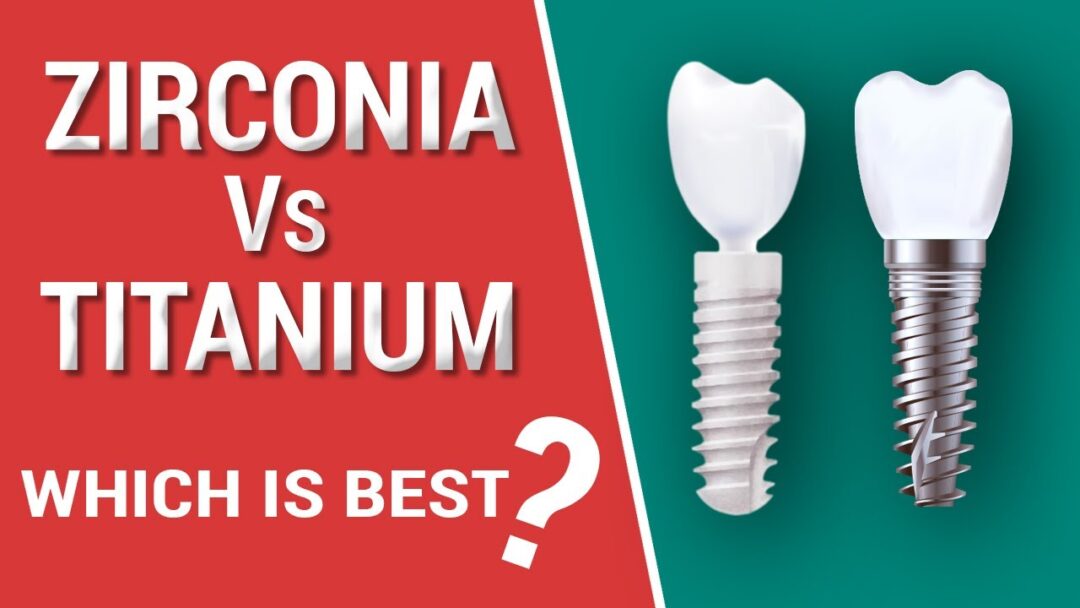
When it comes to dental implants, people want to know which one is the best. Zirconia or titanium implants for teeth? Which one lasts longer, heals faster, and feels more natural? These are the questions people ask when considering whether they should get Zirconia Vs Titanium Dental Implants. The answer isn’t necessarily black and white – both types have their benefits and drawbacks. It depends on the individual. Let’s take a look at each type of implant in more detail so you can decide what’s best for you.
Zirconia Dental Implants
Zirconia dental implants are an excellent choice for many people. They’re made of zirconia ceramic, which is very similar to natural tooth enamel. Zirconia ceramic is a very hard substance and can withstand a lot of wear and tear. The Zirconia dental implants are so strong that they can actually fuse to your jawbone after a certain period of time.
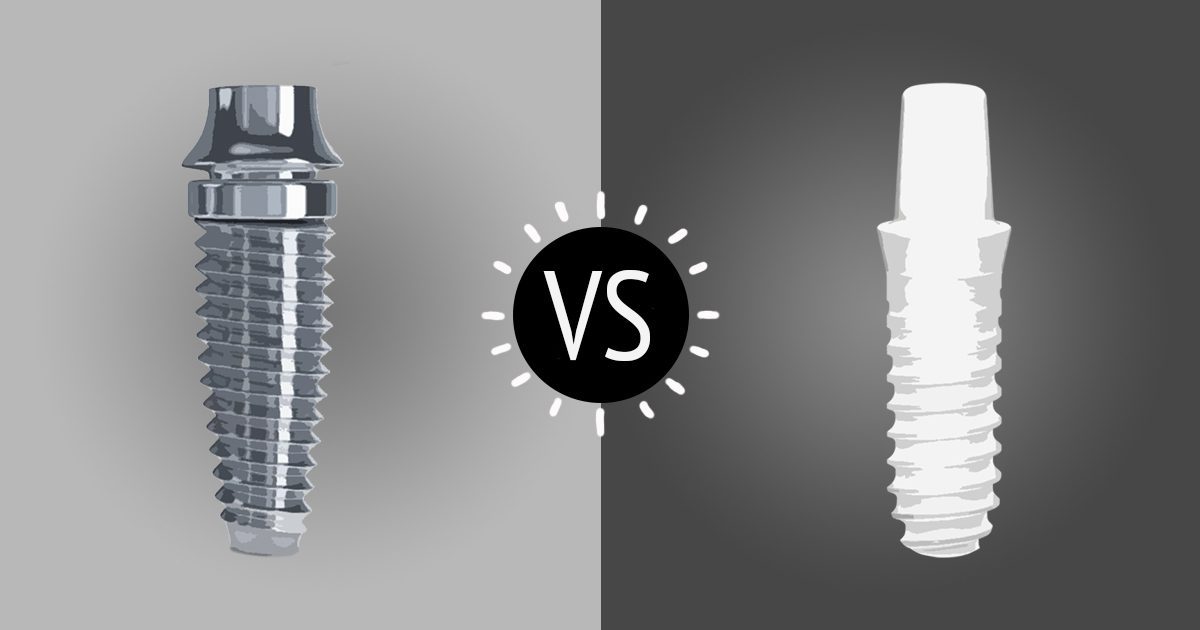
Zirconia dental implants are almost as good as natural teeth when it comes to strength. They can handle chewing on tough foods like steak and chicken without breaking. Zirconia dental implants are great for people who have issues with their jawbones, such as those who’ve suffered from bone loss or osteoporosis. Zirconia implants fuse to the jawbone and can increase jawbone density over time.
Titanium Dental Implants
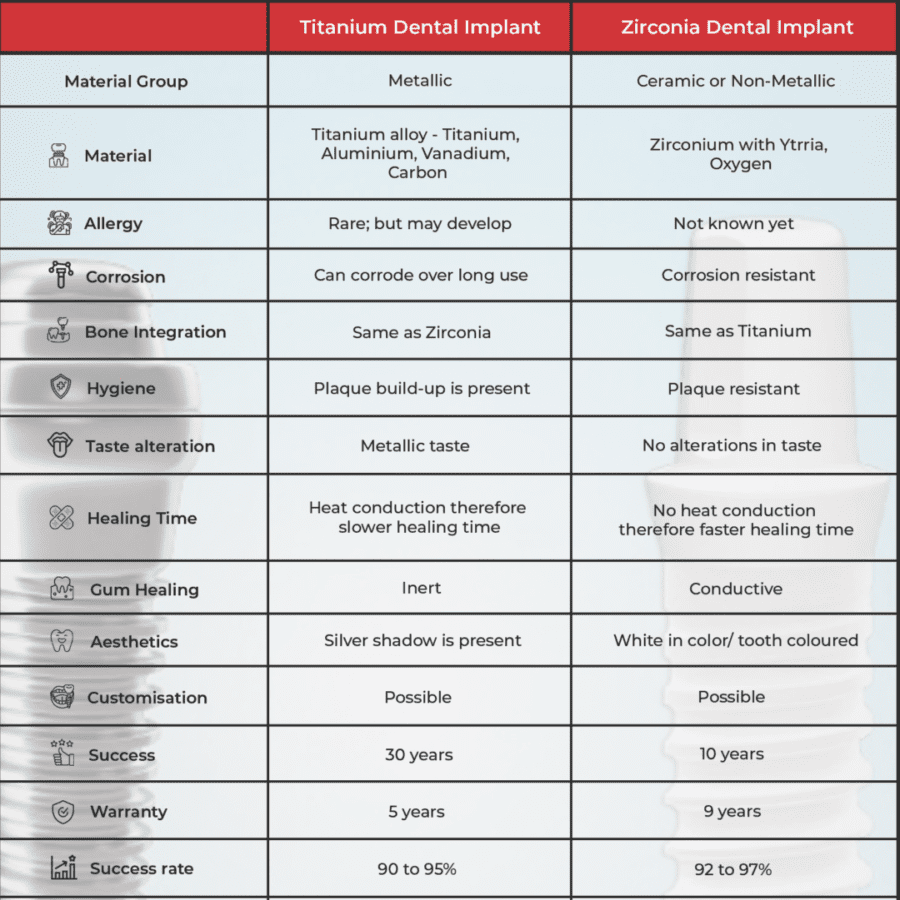
Titanium dental implants are very similar to zirconia dental implants but have a few key differences. One of the biggest differences is that titanium dental implants are composed of pure titanium – whereas zirconia dental implants are made of a ceramic material. These two different materials may sound like they’re pretty similar, but they actually have very different properties.
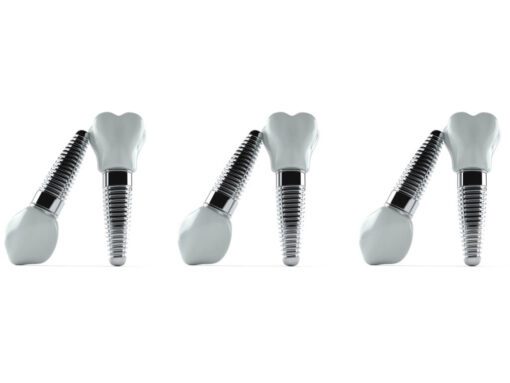
Pure titanium is a metal that’s very strong against corrosion and the elements. It doesn’t rust like iron or steel, and it’s practically impervious to acid. Pure titanium is also less brittle than ceramic and has a springy quality. As a result, titanium dental implants are able to fuse with your jawbone over time – just like zirconia implants. Pure titanium is more expensive than zirconia, but you’ll be getting a stronger material that will serve you well in the long term.
Differences: Zirconia and Titanium Implants
The main difference between zirconia dental implants and titanium dental implants is the material. Other than that, they are similar in many ways. Both types of dental implants have a screw-like structure that is inserted into your jaw. They have roots that go into your jawbone and rootlike structures that serve as your new tooth’s “root.”
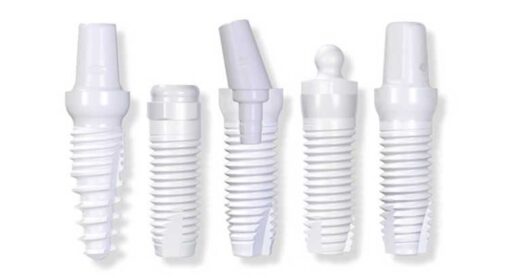
Zirconia and titanium dental implants are both made in a laboratory and carefully inspected to make sure they’re up to standard. Both types of implants can last a lifetime, so you don’t have to worry about replacing them. They both can be used for single tooth replacements or full mouth replacements.
Benefits of Titanium Implants
Titanium dental implants are more resistant to corrosion than zirconia dental implants. This means that they’ll last longer and are less likely to be negatively affected by bacteria or the mouth’s natural elements. These dental implants are more expensive than zirconia implants, but you’ll get a more durable and longer-lasting tooth replacement.
Benefits of Zirconia Dental Implants
- Zirconia dental implants are very similar to titanium but are less expensive and metal-free in nature.
- Zr implants are easier to place than titanium which makes them a great option if you have special health needs that makes surgical placement challenging.
- Zirconia dental implants have less rigid surface areas than counterparts which makes them have a more natural feel when you bite down on food.
The Bottom Line
When it comes to dental implants, people want to know which one is the best. Zirconia or titanium dental implants? Which one lasts longer, heals faster, and feels more natural? These are the questions people ask when considering whether they should get zirconia or titanium dental implants. The main difference between the two is the material. Titanium dental implants are more durable than zirconia dental implants and are less likely to corrode.
Zirconia dental implants are easier to place and have a more natural feel when you bite down on food. Both types of dental implants can last a lifetime, and they’re a great way to replace missing teeth. So, which one is best? It depends on the individual. If you have the money and would like a longer-lasting tooth replacement, go with titanium implants. If you are on a budget and would like a more natural feel, zirconia dental implants are the way to go.