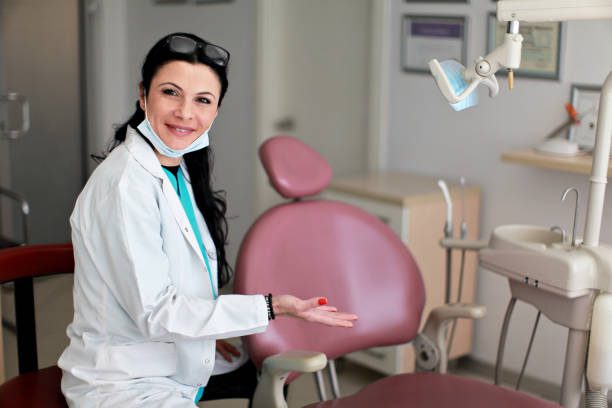
Why are ethics important in dentistry? It’s a question that highlights the foundation of quality dental care. There are many reasons why ethics are important in dentistry. The field of dentistry presents unique challenges that are not commonly found in other healthcare professions. Dentists are trusted advisors who not only care for their patients’ oral health but also handle sensitive personal information. Self-awareness is the first step toward maintaining high ethical standards. Understanding your own values and beliefs before making important professional decisions helps ensure that every patient receives honest, respectful, and ethical care.
Who Is This Article For?
- Patients choosing a trustworthy dentist
- Dental students and aspiring dentists
- Dental professionals
- Anyone interested in ethical healthcare practices
Why should Dentist be ethical?
Being ethical is more than just doing the right thing. It means making good choices based on a sound moral code that is relevant to your specific field and industry. Without an ethical foundation, any profession can quickly become toxic and harmful to those working in it. Dentist are ethical in their profession dentistry. Dental ethics is “a system of principles governing dentistry, a moral obligation to render the best quality of dental services to the patient and to maintain an honest relationship with other professionals and society.“
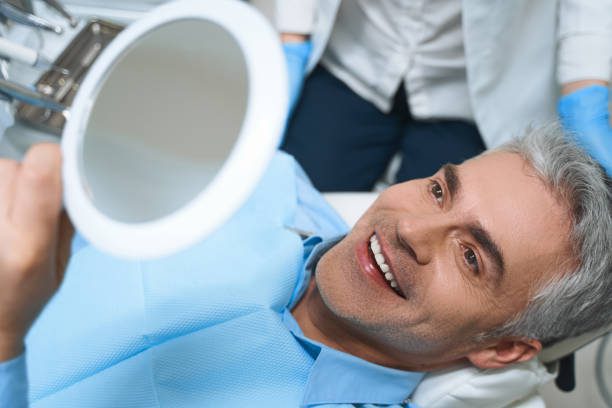
An ethical dental team will work together more effectively to serve patients. They’ll be less stressed at work and more fulfilled in their lives because they’re working towards their personal and professional values every day. In addition, an ethical dental team attracts more patients and stays ahead of the competition. Good businesses and practices are increasingly prioritizing ethics, as customers have grown more conscious of the pitfalls of an unethical business.
Why is Dental Ethics important ?
The touches on all of the core principles of business ethics: Informed consent, non-maleficence, and fiduciary responsibility, equity and fairness, and honesty and transparency. With unique access to the mouth and face, a dentist has the ability to cause extreme harm to patients. While dentists are trained to use a high degree of caution, there are cases where mistakes can happen, or where a dentist may knowingly act against his/her patient’s best interests.
Because of the sensitive nature of the dental profession, it is essential to remain aware of one’s own ethical standards. All dentists should be mindful of their own ethical responsibilities and errors. Dentists are also called to set a positive example for their patients and the community. By being aware of the core principles of business ethics and living by those values every day, you can set a positive example for others.
The dangers of being unethical as a Dentist
While no profession is immune to ethical violations, the stakes are higher for dentists. If a dentist acts unethically, it could result in physical harm to the patient. This could require patients to seek out expensive corrective treatments, or even worse, result in a patient’s death. Dentists who act unethically may also face legal consequences. Patients can file lawsuits stemming from any number of unethical practices in dentistry.
This could include a dentist recommending a treatment that is unnecessary to make more money, a dentist giving a patient misleading information about their dental health, or a dentist knowingly treating a patient without informed consent. Dentists should be aware of the unique risks that come with the dentistry. By setting a positive example and being aware of your own ethical responsibilities, you can help prevent yourself from becoming part of the problem.
3 Steps to Becoming an Ethical Dentist
Self-awareness: knowing who you are and what you stand for is the first step to becoming an ethical dentist. For the next 30 days, practice reflecting on your actions and choices, and how they align with your core values.
Be mindful: be present and aware of your actions and decisions. Don’t be so focused on productivity that you lose sight of what is important.
Be mindful of your impact: dental professionals have a unique opportunity to set a positive example for their patients, colleagues, and community. Make sure your actions are ethical and are setting a positive example.

Conclusion
Choosing the right dentist means choosing someone who values transparency, patient comfort, and ethical treatment recommendations. Our experienced dental team is committed to providing personalized care based on your unique oral health needs.
Book your consultation today and receive a personalised oral health assessment and treatment roadmap with honest guidance you can trust.
FAQs
Why are ethics important in dentistry?
Ethics ensure that dentists provide honest, patient-centered care, respect patient privacy, and recommend treatments based on the patient’s best interests.
What are the main principles of dental ethics?
The core principles include patient autonomy, beneficence, non-maleficence, justice, and confidentiality.
How do ethics help patients?
Ethical dental practice builds trust, encourages informed decision-making, protects patient information, and improves the overall quality of care.
Why is patient confidentiality important in dentistry?
Dentists handle sensitive personal and medical information. Maintaining confidentiality protects patient privacy and strengthens trust.
Can patients ask for a second opinion?
Yes. Ethical dentists respect a patient’s right to seek a second opinion before making treatment decisions.