
Dental treatment costs can vary considerably depending on the complexity of the condition, the number of teeth involved, materials used, technology required, and the type of treatment being performed. While routine preventive dental care is generally straightforward, complex procedures such as multiple dental implants, full-mouth rehabilitation, corrective jaw surgery, and extensive restorative treatment may require greater clinical planning and investment. Understanding what makes certain dental procedures more expensive can help you compare treatment options and make informed decisions about your oral health.
Who Is This Article For?
- Patients planning major dental treatment
- Individuals considering dental implants
- People requiring full-mouth rehabilitation
- Patients comparing complex dental procedures
- Anyone wanting to understand dental treatment costs
Which Dental Procedures Are Usually the Most Expensive?
The most expensive dental procedures are generally not routine treatments involving a single tooth. Costs usually increase when treatment involves several teeth, surgery, advanced imaging, customised laboratory work, specialised materials or coordination between different dental specialists. Full-mouth rehabilitation, full-arch implant treatment, zygomatic implants, corrective jaw surgery and extensive oral reconstruction are often among the more expensive dental treatments. However, the final cost depends on the individual diagnosis and treatment plan.

What Factors Make Dental Treatment Expensive?
- The number of teeth requiring treatment
- Surgical and restorative complexity
- Dentist or specialist expertise
- X-rays, CBCT scans and digital planning
- Implant systems and surgical components
- Crown, bridge or prosthesis materials
- Customised dental laboratory work
- Bone grafting or sinus procedures
- Anaesthesia or hospital requirements
- Temporary restorations and follow-up care
Two patients seeking treatment for a similar problem may therefore receive different estimates because their bone condition, bite, remaining teeth and treatment needs are different.
Root Canal Dental Procedures
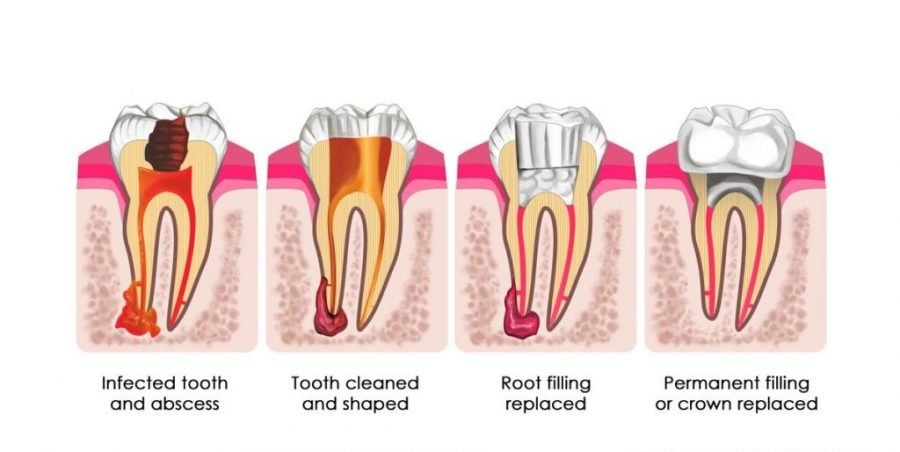
A root canal procedure is done when the nerve inside your tooth dies. This is often caused by tooth decay, infection, or trauma. A root canal is like a surgery for your tooth. It involves removing any decayed or infected tissue inside the tooth, cleaning and sterilizing the area, then filling the remaining opening.
Root canals are one of the most expensive dental procedures because they usually require multiple visits to the dentist and are done on the most sensitive teeth in the mouth. Root canals are usually done on the back teeth, like the premolars and molars. You can have one or more of these back teeth extracted or have a dental implant placed in that location. Which option you choose will depend on several factors, including your oral health, financial situation, and lifestyle choices.
Dental Implants
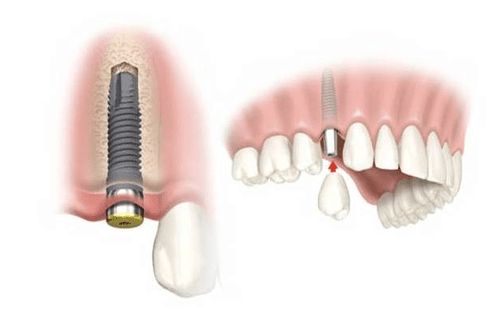
Dental implants are used as an alternative to real teeth, either where teeth have been removed or in the back of the mouth where there are no teeth. The most expensive of dental procedures is a dental implant, which can cost upwards of $10,000 per implant. Implants are generally a good choice if you have lost a tooth and want to replace it with something that feels like a real tooth. A dental implant is a titanium post that’s surgically placed into the jaw bone, usually in the upper or lower jaw. The implant is used to hold a false tooth, like a fake tooth or denture.
Dental Crowns
Dental crowns are used to cover a tooth that has been damaged or decayed. Crowns are metal or porcelain caps that are placed over the tooth to protect and strengthen it. They come in a number of materials, including gold and porcelain. Crowns are one of the most expensive dental procedures because they are very time-consuming to make, they’re custom-fitted to each individual tooth, and they are placed on an area of the mouth that’s highly visible and sensitive.
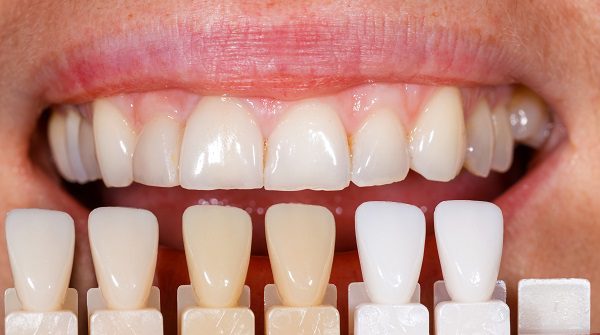
To prepare the tooth for a crown, the dentist will remove a small amount of the tooth enamel. Then they’ll smooth down the tooth’s surface to give the crown a good base to adhere to. The crown is usually placed on the front and back of the tooth it covered a small amount of enamel. The entire procedure can take up to two weeks, and you may need to take antibiotics to prevent infection.
Teeth Whitening
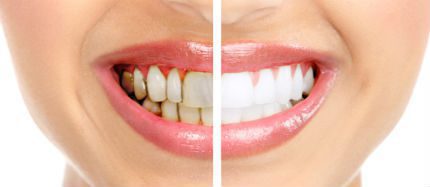
A single whitening procedure or composite restoration is usually not among the most expensive dental treatments. However, a comprehensive smile rehabilitation involving several teeth may require aligners, gum treatment, veneers, crowns, implants and bite correction. The cost depends on the number of teeth treated, the amount of natural tooth structure remaining, the materials selected and whether functional problems must be corrected along with appearance. A responsible cosmetic treatment plan should preserve as much healthy tooth structure as possible. More crowns or veneers do not automatically produce a better or more durable result.
Full-Mouth Rehabilitation
Full-mouth rehabilitation involves restoring several or all teeth to improve chewing, appearance, speech and bite stability. It may combine crowns, bridges, dental implants, fillings, root canal treatment, gum treatment and replacement of missing teeth. The cost can be significant because the dentist must evaluate the complete bite rather than treating each tooth separately. Diagnostic scans, photographs, impressions, temporary teeth, laboratory planning and repeated bite adjustments may be required. Patients with severely worn teeth, multiple missing teeth, failing restorations or an altered bite may require full-mouth rehabilitation. The final expense depends on the number of teeth involved, restorative materials selected and complexity of the bite correction.
Multiple Dental Implants and Full-Arch Fixed Teeth
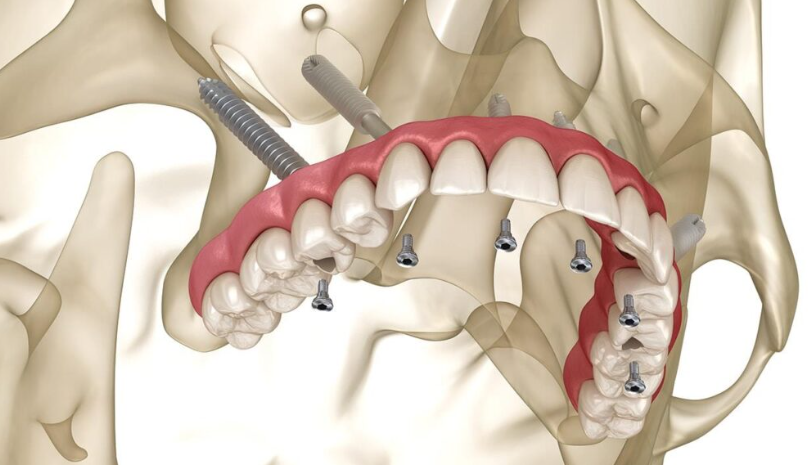
A single dental implant replaces one missing tooth, while full-arch treatment may involve several implants supporting a complete set of fixed teeth. Full-arch implant treatment is therefore more complex than simply multiplying the price of one implant. The treatment plan may include tooth extraction, CBCT imaging, implant surgery, temporary teeth, customised abutments, final fixed teeth and follow-up adjustments. The condition of the bone and gums also affects treatment complexity. The implant placed inside the bone is only one part of the overall treatment. The design and material of the final crown, bridge or full-arch prosthesis can contribute significantly to the total cost.
Zygomatic Implants for Severe Bone Loss
Zygomatic implants may be considered in selected patients who have severe bone loss in the upper jaw and cannot receive conventional implants without extensive additional treatment. These implants require advanced surgical planning, specialised experience and a carefully designed fixed prosthesis. The treatment may therefore cost more than routine implant placement. Not every patient with bone loss requires zygomatic implants. The decision should be made only after clinical examination and three-dimensional evaluation of the jaw, sinuses, remaining bone and medical condition.
Corrective Jaw Surgery
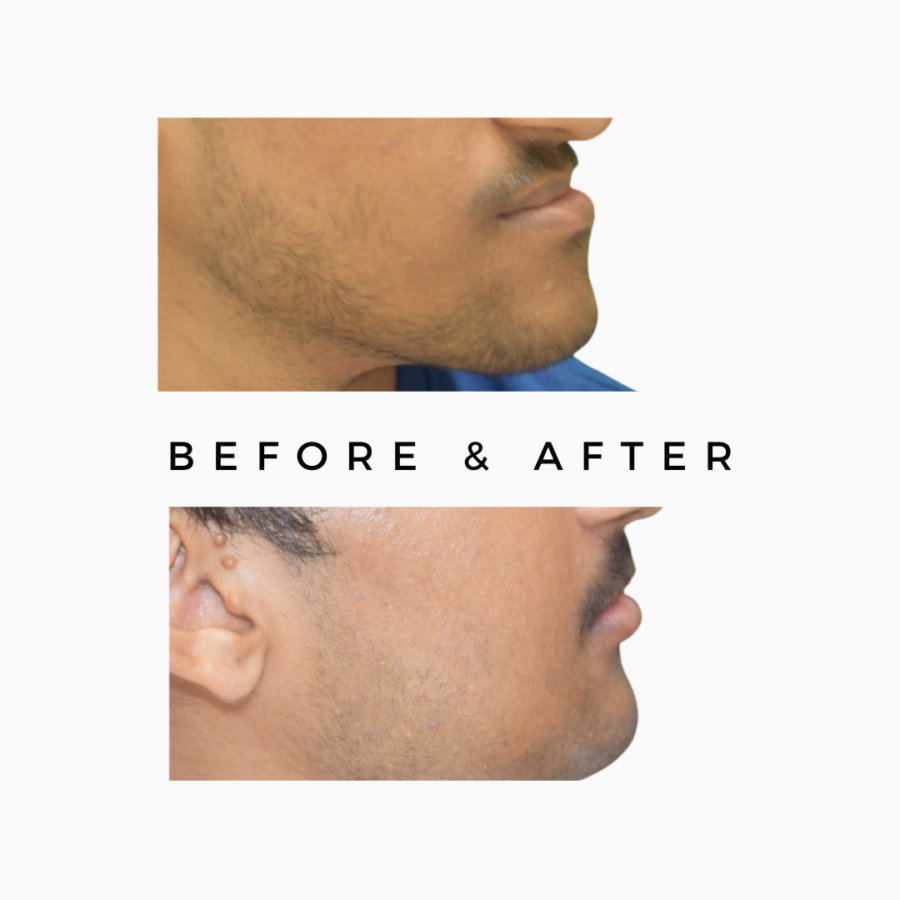
Corrective jaw surgery, also known as orthognathic surgery, may be required when the upper jaw, lower jaw or both jaws are not properly aligned. Treatment may be recommended for significant bite problems, difficulty chewing, facial imbalance or certain airway-related concerns. The overall treatment may include orthodontics, digital surgical planning, hospital facilities, anaesthesia, surgical plates and screws, and post-operative follow-up. Because several specialists and treatment stages may be involved, corrective jaw surgery can be one of the more expensive dental and maxillofacial procedures.
Dental Insurance in Dentistry
Insurance plans vary greatly, and not all dental procedures will be covered by all plans. Some plans may cover more expensive procedures than others, so it’s important to check the fine print before going under the scalpel (or drill, as the case may be). There are many different types of dental plans, and some can be very affordable. Ask your employer if they have an insurance plan that might benefit you and your family, or check with your insurance provider to see what they offer. It’s important to maintain good dental hygiene and visit your dentist regularly, as this will help prevent dental problems. It can also help you save money on dental procedures, can be treated before they become a bigger issue.
How Should Patients Compare Dental Treatment Costs?
Patients should request a written treatment plan explaining the diagnosis, treatment stages, materials, expected number of visits and what is included in the estimate. Ask whether the quotation includes scans, extractions, temporary teeth, laboratory work, final restorations and follow-up appointments. An apparently inexpensive quotation may cover only one part of a larger treatment. The cheapest option may not always offer the best long-term value. Treatment should be compared according to safety, tooth preservation, function, expected durability, maintenance requirements and available alternatives.
Can Expensive Dental Treatment Be Avoided?
Not every complex dental problem can be prevented, but regular examinations and early treatment may reduce the risk of requiring extensive procedures later. A small cavity may initially require a filling but could progress to root canal treatment, a crown or extraction if left untreated. Similarly, early gum treatment may help reduce the risk of progressive bone loss and tooth mobility. Preventive care, good oral hygiene and timely diagnosis are therefore among the most effective ways to control long-term dental expenses.
Conclusion
Rather than choosing dental treatment based solely on price, patients should consider the diagnosis, expected longevity, functional benefits, available alternatives, and long-term oral health outcomes. Treating dental problems early can also help prevent relatively minor conditions from developing into complex issues requiring extensive treatment. For major dental procedures, obtaining a detailed treatment plan and understanding the available alternatives can help you make a more informed decision.
FAQs
What is usually the most expensive dental procedure?
Full-mouth rehabilitation, full-arch implant treatment, corrective jaw surgery and complex oral reconstruction are commonly among the most expensive procedures. The exact cost depends on the individual case.
Are dental implants the most expensive dental treatment?
A single implant is not always the most expensive treatment. Costs become considerably higher when multiple implants, full-arch fixed teeth, bone procedures or complex prosthetic rehabilitation are required.
Is root canal treatment an expensive dental procedure?
Root canal treatment may cost more than a routine filling, particularly in a difficult tooth. However, it is generally not as expensive as full-mouth rehabilitation, multiple implants or corrective jaw surgery.
Why does full-mouth dental treatment cost more?
Full-mouth treatment involves several teeth and may require detailed bite planning, multiple restorations, implants, temporary teeth and customised laboratory work.
Can a dentist provide an exact cost online?
An approximate range may be discussed, but an accurate estimate generally requires clinical examination and appropriate X-rays or scans.
What are the most expensive dental procedures?
Complex treatments such as full-mouth rehabilitation, multiple dental implants, full-arch implant restorations, corrective jaw surgery, and extensive cosmetic-restorative dentistry can be among the more expensive dental procedures.
Why are dental implants expensive?
Dental implant treatment may involve advanced imaging, surgical placement, implant components, laboratory-made restorations, and sometimes additional procedures such as bone grafting.
Is full-mouth rehabilitation expensive?
It can be because treatment may involve multiple teeth and a combination of crowns, bridges, implants, bite rehabilitation, and other restorative procedures.
Why do dental treatment costs vary between patients?
Costs vary depending on the diagnosis, number of teeth involved, materials, treatment complexity, technology, additional procedures, and professional expertise required.
How can I avoid expensive dental procedures?
Good daily oral hygiene, preventive dental care, regular examinations, and treating problems early can reduce the likelihood of needing extensive treatment later.