Implants are one of the most popular options for replacing missing teeth. After all, what’s better than being able to eat all your favorite foods again, while smiling wide the whole time? Unfortunately, dental implants aren’t perfect. In fact, they’ve been the subject of much criticism. This is because dental implants can cause a variety of problems, which may not be obvious at first. In this article, dentist will discuss the most common Problem with Dental Implants.
What are Dental Implants?
They are artificial teeth, usually made from titanium. A titanium implant sits within the jawbone, forming a “root” for either a crown or bridge. Implants are frequently used to replace lost teeth, as well as to create a new tooth when replacing a whole jaw. Advantages:
They are extremely durable – implants can last a lifetime and possibly longer.
They’re easy to maintain – they don’t decay or rot away.
They’re functional – implants are completely removable, if desired.
How do dental implants work?
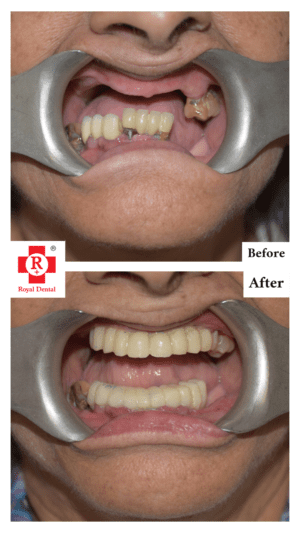
When you lose a tooth, the tooth’s roots are left behind in your jawbone. These roots are what form the basis for a dental implant. Your dentist then replaces your missing tooth with the modern dental implant. The implant is then connected to your jawbone, which acts as a “root” for the new replacement tooth. The most common dental implant procedure involves implanting a crown on top, followed by a bridge. The crown (SAPTeeth) acts as the cosmetic portion of the implant, while the bridge holds the implant in place.
You can also get a dental implant that acts as a single, fully-functional tooth. The majority of the issues with implants are related to the location of the implant. There are issues with the placement of the implant, such as the jaw size, bone quality and existing teeth. These can make the placement of an implant more difficult.
What is the major problem with dental implants?
The major problem with dental implants is usually failure of the surrounding support system: gum health, bone support, bite force, prosthesis design, oral hygiene and follow-up. Common concerns include peri-implant infection, bone loss, implant mobility, screw loosening and prosthetic complications.
Peri-implantitis and infection: Peri-implantitis is inflammation and infection around a dental implant that may lead to bone loss. It may be linked with plaque buildup, poor cleaning access, smoking, diabetes, gum disease history, excess cement, poor prosthesis design or irregular maintenance.
Loose implant vs loose crown: A loose implant is not normal. Sometimes only the crown or screw is loose, which may be repairable. If the implant body itself is moving inside bone, it may indicate implant failure and needs urgent evaluation.
Prevention starts with correct diagnosis, CBCT planning, gum disease control, medical history review, bite planning and prosthetic design. After treatment, patients must maintain hygiene, attend follow-ups, avoid smoking where possible and report symptoms early.
Can implants be used to replace missing teeth?
Yes, why not. As we’ve discussed, dental implants are especially durable and long-lasting. In fact, the American Association of Oral and Maxillofacial Surgeons notes that these have the potential to last a lifetime. The issue with dental screws is that they’re not fully-functional. This means they can’t be used to replace missing teeth.
In order to successfully turn an implant into a functional replacement tooth, you’d need to have teeth that are large enough to fit over the implant. While some people have managed to do this, it’s extremely uncommon. In order to replace missing teeth with implants, your existing teeth would have to be large enough to accommodate the implant.
Dental implant and SAPTeeth
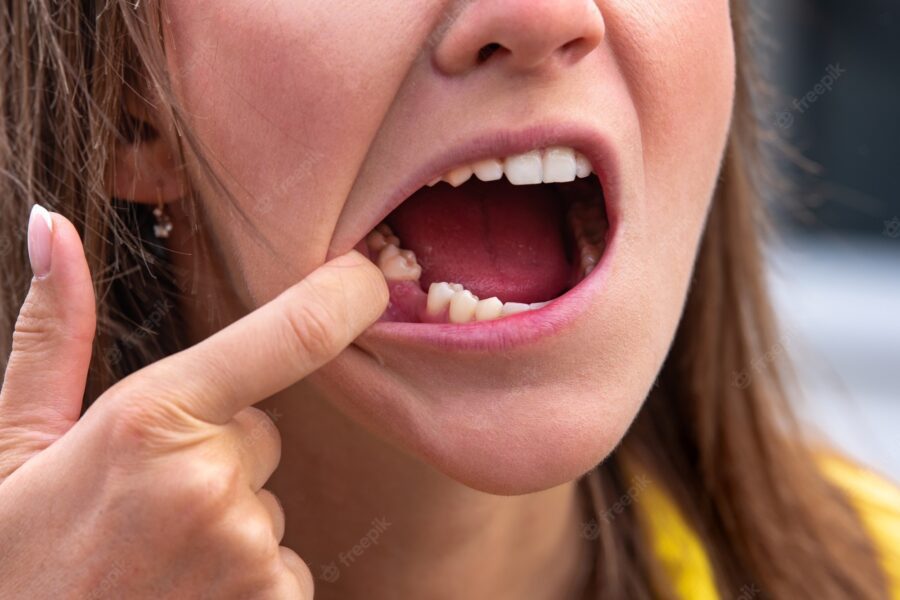
There are a number of issues that can occur with dental implants. The most common of these issues are related to the bone and the placement of the implant. The bone can reject the implant, which causes the implant to become loose and painful. Bone can also be damaged during the implant placement process. This can cause pain, as well as difficulty eating, speaking and brushing.
Another common problem with implants is the risk of infection. Implants are usually made from titanium, which is a metal that’s susceptible to bacteria. This is why implants are usually placed in a dental clinic, under sterile conditions. Unfortunately, bacteria can get inside the implant and cause infection. This is what leads to most of the issues with dental implants.
SAPTeeth Dental Crown
SAPTeethTM is a group of highly specialized polymers; specially made to protect the bone, implant, or natural tooth. Research shows that ceramic, porcelain, Ni-Cr, and Zirconia teeth exert about 24 to 149 times more stress on bone as compared to SAPTeethTM. This difference is due to the shock absorbing capability of these polymers. Therefore, in patients with weak bone or low calcium, SAPTeethTM are recommended over conventional prosthesis. The best part of these is that they are customized to perfectly re-create your smile. And, that too in a matter of few hours.
Dental Clinic in Mumbai
If you’ve been thinking about replacing your missing teeth, dental implants are a great option. They’re incredibly durable, long-lasting and easy to maintain. There are, however, a few things to keep in mind. Implants are not fully-functional and can only be used to replace one tooth. If you have more than one tooth missing, you may want to consider other options. If you’re considering dental implants, you should be aware of the issues they can cause. This can help you make an informed decision about which dental implants are right for you.
FAQs
What is the most common problem with dental implants?
Common problems include gum inflammation, food lodgement, peri-implant infection, bone loss, crown loosening and screw loosening.
Is pain after a dental implant normal?
Mild soreness for a few days may be normal. Severe, increasing or persistent pain should be checked by the dentist.
Can a loose dental implant be saved?
If only the crown or screw is loose, it may be repaired. If the implant body is loose, removal may be required.
Can dental implants get infected?
Yes. Infection around implants can occur, especially when plaque control, gum health or prosthesis cleaning is poor.
How do I avoid dental implant failure?
Maintain oral hygiene, control diabetes, avoid smoking, attend follow-ups, follow diet advice and get regular bite checks.