
As dentistry continues to reinvent itself by focusing more on patient-centered care, the scope of practice for general dentists is expanding. Specialty areas in dentistry are no exception to this trend. There has been an increasing number of general dentists who are interested in further branching out their practice by either adding a specialty or the practice as Oral Medicine specialist. Not many general practitioners know about it, but Oral Medicine is one of the fastest growing specialties in dentistry and one that will continue to see demand grow exponentially. Read on to find out why…
Who Is This Article For?
- Patients interested in modern dental care
- Dental students and professionals
- Individuals exploring oral health innovations
- People considering advanced dental treatments
- Anyone curious about the future of dentistry
What is Oral Medicine?
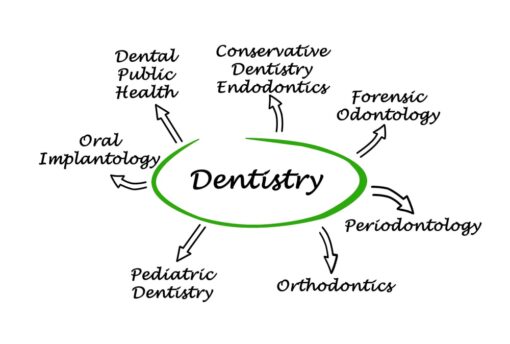
Oral medicine, also known as oral and maxillofacial pathology, is the branch of dentistry that focuses on diseases and conditions affecting the teeth, gums, and the adjacent oral and maxillofacial region. The dental specialties associated with oral medicine include Oral and Maxillofacial Surgery, Periodontics, Oral Pathology, and Oral Radiology. In essence, these specialties pertain to the diseases and conditions of the teeth and gums.

Oral medicine is a discipline that integrates the knowledge of medicine, dentistry. And other health sciences in the diagnosis and management of oral and maxillofacial diseases. The Oral Medicine specialty is a relatively new specialty in dentistry. And is constantly evolving as the health care needs of the patient shift and change.
Why is the specialty of Oral Medicine growing?
This is creating a demand for both a broader scope of services, as well as a higher level of technical proficiency among general dentists. Because of this, there has been an increasing number of general dentists who are interested in further branching out their practice by either adding a specialty certification or the practice of a particular segment of dentistry, known as an ‘Oral Medicine’ specialist. Oral Medicine is one of the fastest growing specialties in dentistry. And one that will continue to see demand grow exponentially. There are a number of factors contributing to this, which we will go over below.

Reasons why dentists become an Oral Medicine specialist
There are many reasons why more dentists are choosing to become an Oral Medicine specialist. Here are a few of the most compelling ones:
• Flexibility: Unlike other specialties in dentistry, Oral Medicine can be practiced part-time while still maintaining a high level of technical proficiency. This makes it very attractive to general dentists who are looking to expand their practice but don’t want the burden of managing a full-time specialty practice.
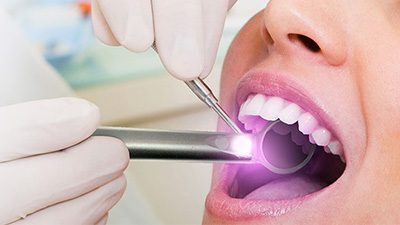
• Advancement of technology: Advances in technology have made it possible for general dentists to offer services previously restricted to specialists. The example of this is the ever-expanding role of dental lasers in dentistry. Dental lasers are a fantastic technology that allow for precise and efficient tooth reduction for complex restorative procedures. They’re also a great tool for other Oral Medicine procedures like laser surgery. Laser assisted periodontal therapy (LAP), and oral biopsies.
Requirements to become an Oral Medicine Specialist
Becoming an Oral Medicine specialist requires the completion of an additional residency program and/or Fellowship. To become an Oral Medicine specialist you will need to complete a 2-year Oral and Maxillofacial Surgery. Fellowship or a 1-year Periodontics Residency and a 1-year Oral Pathology Residency. You must also successfully pass the National Board Dental Examination.
Continuing education is a core component of healthcare. And it helps providers stay abreast of the latest advancements in the industry. This will ensure that patients continue to receive the best care. Being an the specialist requires a significant investment of time and money. However, it also comes with significant rewards, including a higher salary and more job security.
Conclusion
The future of oral medicine is being shaped by artificial intelligence, digital dentistry, personalized care, teledentistry, advanced diagnostics, and innovative treatment technologies. These developments are expected to improve disease detection, treatment precision, patient convenience, and overall oral health outcomes. While technology will continue to transform dental care, skilled dental professionals will remain at the center of delivering safe, effective, and compassionate treatment.
Book Your Consultation
At Royal Dental Clinics, we stay at the forefront of modern dentistry by incorporating advanced technology, digital diagnostics, and evidence-based treatment approaches. Whether you need preventive care, restorative treatment, or advanced dental solutions, our team is committed to delivering exceptional oral healthcare. Book your consultation today.
Frequently Asked Questions
What is the future of oral medicine?
The future of oral medicine includes AI-assisted diagnosis, personalized treatment plans, digital dentistry, teledentistry, and advanced preventive care.
How is AI used in oral medicine?
AI helps analyze dental images, detect oral diseases, assist treatment planning, and improve diagnostic accuracy.
Will dentists be replaced by AI?
No. AI is designed to support dentists, while clinical expertise and patient care remain dependent on healthcare professionals.
What is digital dentistry?
Digital dentistry uses technologies such as digital scans, CAD/CAM systems, 3D imaging, and computer-guided procedures to improve dental care.
How will technology improve oral healthcare?
Technology can improve diagnostic accuracy, treatment precision, patient communication, early disease detection, and overall treatment efficiency.