

This article will walk you through the ins and outs of preventive dentistry and why it’s so important. You may not think about your dentist as someone who is there to protect your teeth from lasting damage, but that’s exactly what they do. A great dentist will help you understand best practices for keeping your teeth healthy, along with any risks you might face as an individual with their particular set of genetic markers and personal risk factors. Whether you are new to dentist or just want to know what preventive dentistry is, this article will help yo!
What is Preventive Dentistry?
Preventive dentistry is the ongoing maintenance and monitoring of your teeth and gums in order to catch and treat any issues before they become a problem. This means that preventive dentists focus on using preventative treatments and diagnostic procedures to catch and treat problems before they become irreversible. This is opposed to restorative dentistry, which is focused on fixing damage that has already occurred. Preventive dentists will check for cavities, gum disease, and other issues that can cause pain, infection, or other damage to your teeth. They also will make sure that your bite is aligned properly. Your teeth are positioned correctly, and that there aren’t any other issues that may cause lasting damage.

Preventive dentistry includes the daily habits, professional examinations and dental treatments used to reduce the risk of cavities, gum disease, tooth wear, oral infections and premature tooth loss. Its purpose is not only to keep the teeth clean. Preventive care helps dentists identify early changes before they develop into painful, extensive or expensive dental problems.
Why is it so important to see a Dentist?
There are a number of reasons why you should prioritize care from a preventive dentist. The first reason is that preventive dentists are trained to catch issues before they become a problem. Cavities, gingivitis, and other common dental issues may not cause pain until they have advanced to a serious level. When a dentist finds an issue while it’s still in the early stages, they can stop it before it becomes a major problem.
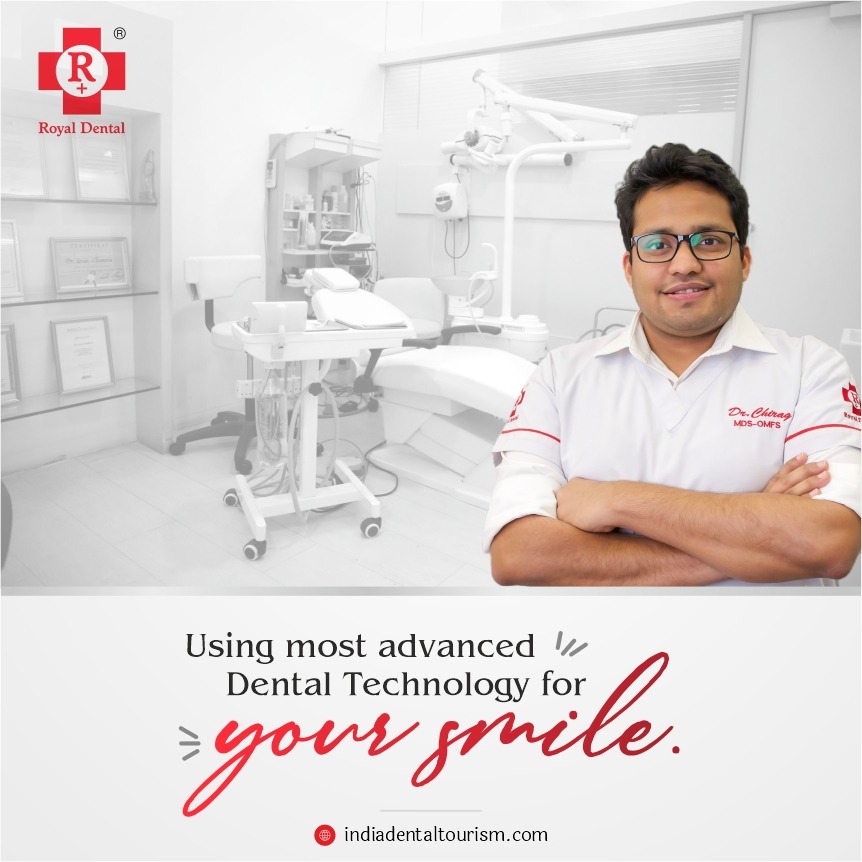
A preventive dentist also has experience in choosing treatment options. That will help you avoid needing a root canal or other procedure that can cause significant damage to your teeth. A preventive dentist is also trained to work with patients. To prevent issues before they occur, such as helping you select an appropriate toothbrush for your teeth (even if you have braces).
Many dental problems begin without severe pain. Early cavities, gum inflammation, enamel wear and changes beneath existing restorations may progress quietly. A preventive examination may identify concerns while treatment is still simpler. For example, an early enamel lesion may be managed differently from a deep cavity that has reached the nerve of the tooth.
Quality Care from a Preventive Dentist
Now that you understand the importance of preventive dentistry, you may be wondering how to find a good dentist. Especially if you have a dental phobia. There are certain characteristics that you will want to look for. A preventive dentist to make sure that you are receiving the best possible care.
Specialisation – You will want to make sure that your dentist specializes in preventive dentistry. While restorative dentists are also trained in the basics of preventive care. They primarily work on treating damage that has already occurred.

Certification – Check to see if your dentist is certified in their field. Many dentists take general training when they enter the field, and then specialize in a specific area. While general training is great, you will want to make sure that your dentist has a certification. In the area that you need the most help in, such as oral surgery or pediatric dentistry.
Experience – The longer someone has been in the field, the more experience they will have in treating patients like you. While it’s nice to have a young and fresh outlook on things, experience counts for a lot, especially when you are dealing with sensitive issues around oral health.
Hygiene Score – You can use the American Dental Association’s Hygiene Finder to find a dental office near you that has scored in the “excellent” or “very good” range for patient satisfaction.
What is included in Preventive Dentistry
- Monitoring existing fillings, crowns, bridges and implants
- Regular dental examinations
- Professional teeth cleaning
- Brushing with fluoride toothpaste
- Cleaning between the teeth
- Fluoride treatment
- Dental sealants
- Dental X-rays when clinically required
- Gum-health assessment
- Oral cancer screening
- Dietary and oral-hygiene advice
- Mouthguards and protective appliances
3 Things to look for in Preventive Dentist
The best way to find a great dentist is to ask your family and friends for recommendations. You can also look online for reviews. Try to find a dentist that has a good mix of reviews from patients with different backgrounds and needs. When you’re looking for a preventive dentist, make sure that they offer the following services:
A thorough cleaning – A great dentist will perform a deep cleaning that will remove any plaque or buildup that could cause problems in the future. They should also offer options like teeth whitening and teeth cleaning for braces that will keep your teeth healthy and clean.
Diagnostic procedures – A good dentist will check for cavities, signs of gum disease, and other issues in your mouth. They will also use this time to check your bite, teeth alignment, and other factors that can impact your oral health.
Treatment options – A good dentist will provide you with a variety of treatment options. This means that they won’t tell you what needs to be done and then force you to come up with the money. They will give you a list of what needs to be done, the costs associated with each option, and then let you decide what is best for your budget.
Tips to maintain Healthy Teeth at Home
Practice good oral hygiene – This means brushing your teeth twice a day with fluoride toothpaste and flossing once a day. You also should consider using a mouthwash to keep your breath fresh and your teeth free of plaque and bacteria.
Eat a healthy diet – This means minimising your sugar intake and eating foods that are rich in vitamins and minerals that keep your teeth strong and healthy. Avoid smoking and alcohol, which can cause significant damage to your teeth.

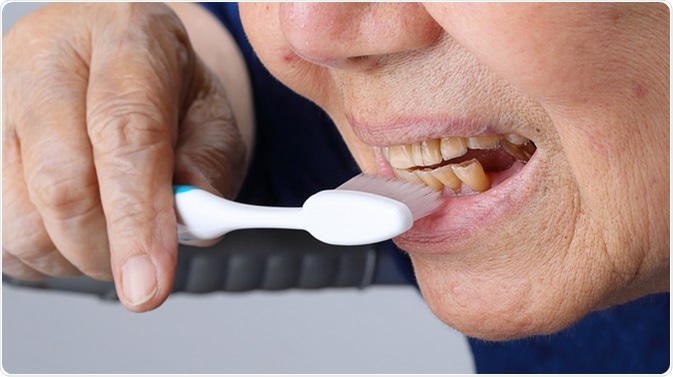

Schedule regular dental visits – You should visit your dentist for a cleaning and examination at least once a year. This will allow your dentist to catch issues before they become problems and help you avoid needing a root canal or other serious procedure.
Preventive Dentistry for Children
Preventive dental care should begin during childhood because early habits can influence oral health over the long term. A child’s preventive plan may include:
- Guidance for parents and caregivers
- Age-appropriate fluoride toothpaste
- Monitoring tooth eruption
- Assessment of jaw and bite development
- Dental sealants where appropriate
- Dietary guidance
- Management of thumb-sucking or other oral habits
- Protection during sports
- Early identification of cavities
Conclusion
Preventive dentistry is the best way to keep your teeth healthy and strong. A good dentist will help you understand how to properly care for your teeth and fit a dental plan to your lifestyle and needs. They will also help you understand common dental issues and how to avoid them. When you visit your dentist on a regular basis, you will be more likely to catch issues before they become major problems. This will help you avoid having to deal with the pain and embarrassment of needing major dental work and keep your smile healthy for years to come.
Frequently Asked Questions About Preventive Dentistry
What are examples of preventive dentistry?
Examples include dental examinations, professional cleaning, fluoride treatment, dental sealants, brushing advice, interdental cleaning, oral cancer screening and protective mouthguards.
Is teeth cleaning a preventive dental treatment?
Yes. Professional cleaning can remove tartar and plaque from areas that are difficult to clean at home. The required frequency depends on the condition of the teeth and gums.
Can preventive dentistry stop cavities completely?
Preventive care can reduce the risk of cavities but cannot guarantee that a person will never develop tooth decay. Diet, fluoride exposure, saliva, oral hygiene, medical factors and individual susceptibility all influence cavity risk.
Are dental X-rays part of preventive dentistry?
Dental X-rays can support early diagnosis when they are clinically indicated. They should not automatically be taken at every visit; the dentist should decide based on symptoms, history and risk.
How often should professional teeth cleaning be done?
There is no universal interval. Some patients may need cleaning every few months, while others may require it less frequently. The schedule should be determined after examining the gums, plaque levels and periodontal risk.
Is preventive dentistry only for children?
No. Preventive care is important at every age. Adults and older patients may require prevention for gum disease, root cavities, dry mouth, tooth wear, dental implants and existing restorations.
Does preventive dentistry save money?
Early identification and risk reduction may help avoid or limit more extensive dental treatment. However, the outcome depends on the condition, patient cooperation and whether disease is detected before significant damage occurs.
Medical Disclaimer
This article is for patient education only. Dental treatment should be planned after clinical examination, medical history review, and X-rays or scans where required. Treatment suitability, cost, timeline, healing, and results vary from patient to patient.