
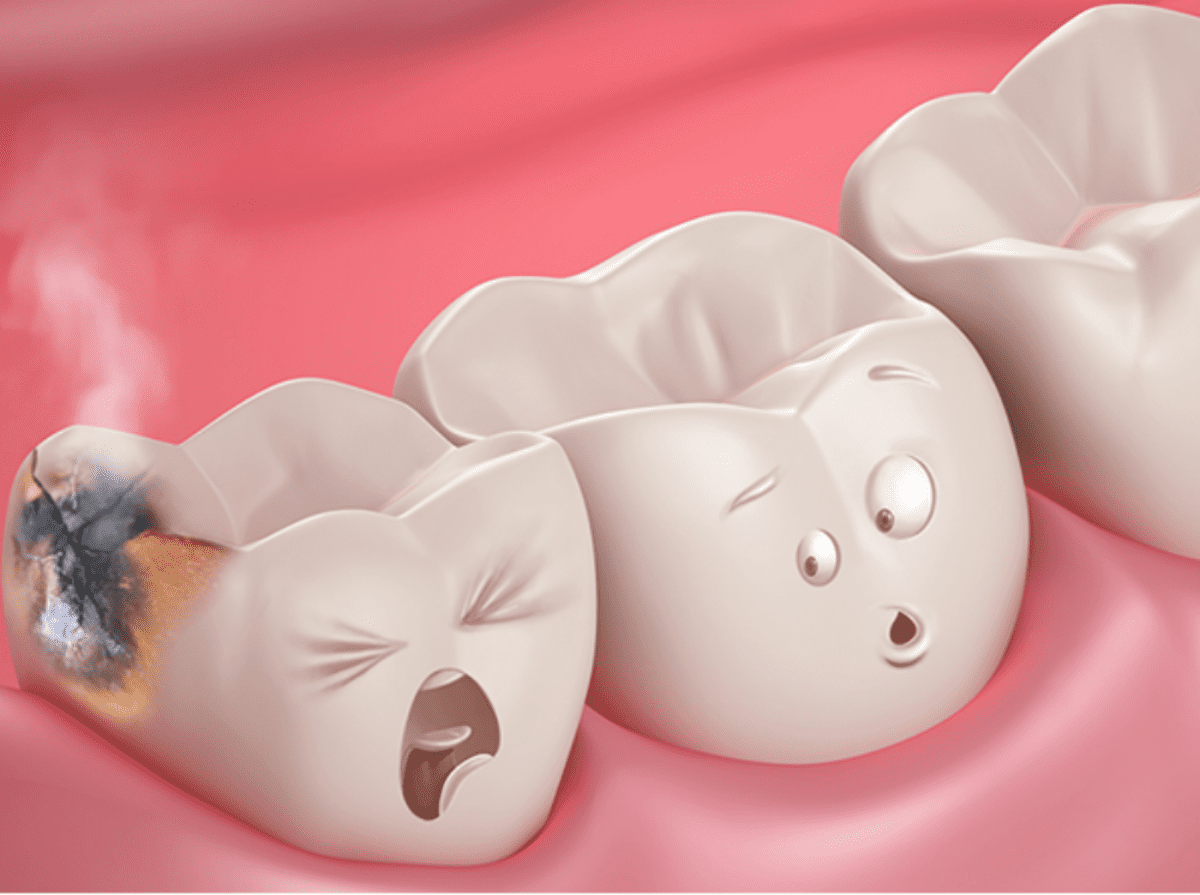
Who among us hasn’t been there? You’re eating a piece of candy, and suddenly you feel something hard in your mouth. You try to discreetly remove the offending item from your teeth. But it won’t budge. It’s stuck fast! Now what do you do? Think about it: Everyone has gotten that feeling when you have something caught between your teeth and you can’t get it out. But what happens next is either the best or the worst case of tooth decay or cavities we have ever seen. Depending on how much pain this person can tolerate and how much they want to avoid a potential root canal later on.
What is the worst case of tooth decay?
This is the worst case of tooth decay because it is so severe that the person may need a root canal to fix it. A root canal is a treatment for cavities in the nerve of the tooth. It usually affects the back teeth, which are harder to clean and more prone to tooth decay. If you don’t treat tooth decay, it can spread to the surrounding tissue and cause a large abscess, or infection, in your jaw. You might need antibiotics or surgery to treat the infection. If you have a root canal, you can keep the tooth and avoid future problems.
What causes the worst case of tooth decay?
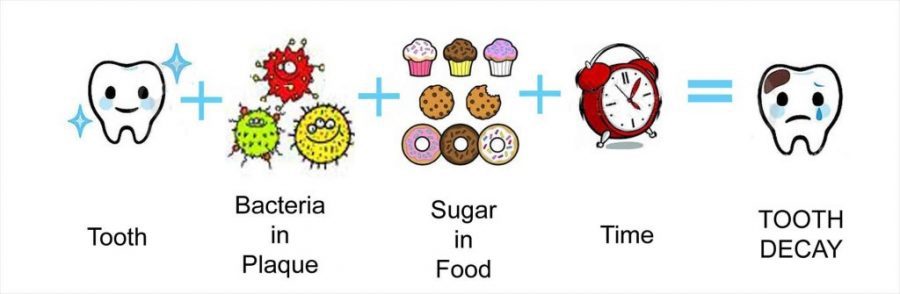
Hard to say. Cavities is caused by bacteria that forms plaque on your teeth. Plaque is a sticky film that coats your teeth. It’s made up of bits of food, bacteria, and saliva. If plaque isn’t removed, it hardens into a rough, porous substance called tartar. The longer tartar stays on your teeth, the greater your risk for tooth decay. You can’t see it, but it’s there – waiting to attack your teeth.
Why does it hurt so much?
Well, you’re effectively trying to remove a chunk of tooth from your gums. It’s a process that causes a lot of pain. The pressure exerted against the gum tissues can cause significant discomfort, swelling and bleeding, leading to a trip to the dentist. You can ease the pain a little by rinsing with warm salt water or baking soda water, but you can’t avoid it altogether.
If you have pain or infection due to cavity, which is deep and near the pulp of your teeth; you may need options other than Dental Filling.
How do you fix it?
There are two scenarios: The tooth is still salvageable or you’ve got to pull it. You can treat the decay with a root canal, but that means you’ll lose the tooth. If the tooth is still salvageable and has not become infected, you can try to loosen the tooth with warm saltwater. If you don’t want to lose the tooth and the tooth is not infected, your dentist may be able to remove the cavities with a small drill.
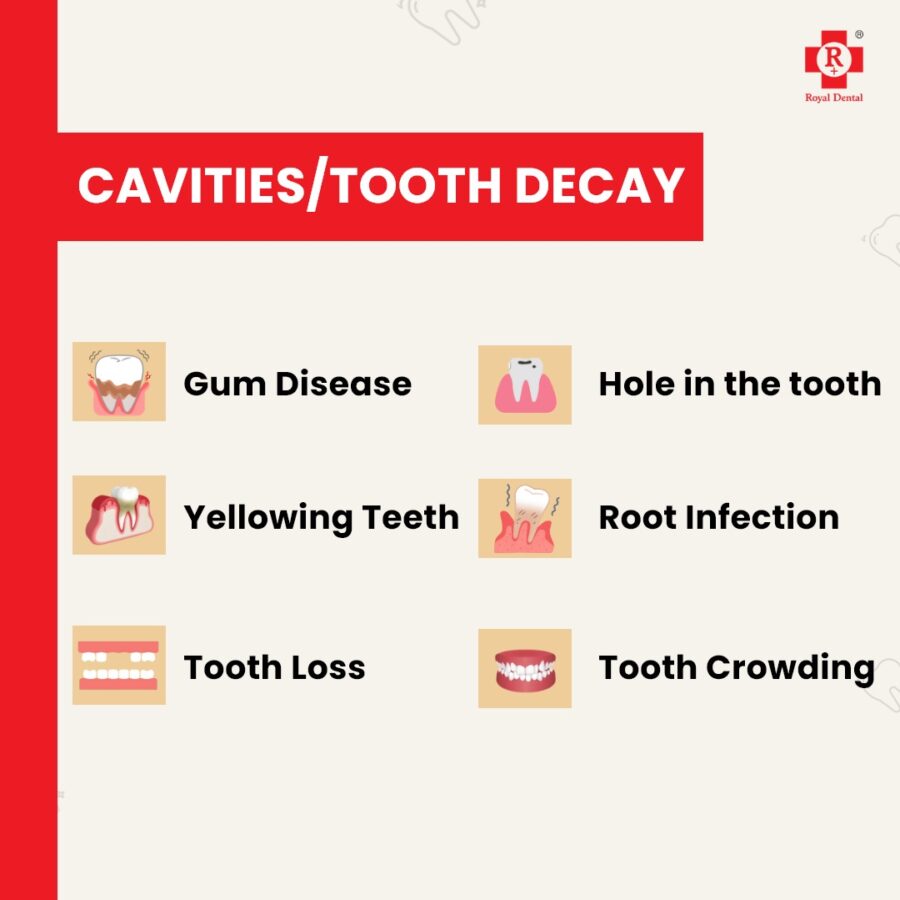
Teeth Cavity, also called tooth decay, is a hole that forms in your tooth. Cavities start small and gradually become bigger when they’re left untreated. Because many cavities don’t cause pain in the beginning, it can be hard to realise that a problem exists. Regular dental appointments can detect tooth decay or Teeth Cavity early.
Conclusion
Bad teeth can affect your health in more ways than one. It’s critical to take care of them to ensure they last a lifetime. If you take proper care of your teeth – brushing, flossing and visiting your dentist regularly – you’ll significantly decrease your risk of tooth decay. Bad teeth can affect your health in more ways than one. It’s critical to take care of them to ensure they last a lifetime. If you take proper care of your teeth – brushing, flossing and visiting your dentist regularly – you’ll significantly decrease your risk of dental cavities.