

A dental checkup involves much more than looking for cavities. It is a structured examination of your teeth, gums, bite, jaw and the soft tissues inside your mouth. The purpose is to identify developing problems before they begin causing pain, infection or extensive damage. During the appointment, your dentist may review your medical history, ask about any symptoms, examine your teeth and gums, assess existing fillings or crowns, and check for unusual changes inside the mouth. Dental X-rays, an OPG, CBCT scan or an intraoral scan may be advised when additional diagnostic information is required. Not every patient needs the same tests or treatment at every visit. Your checkup should be based on your age, symptoms, previous dental treatment, general health and risk of developing dental problems.
What comprises a Dental Check-Up?
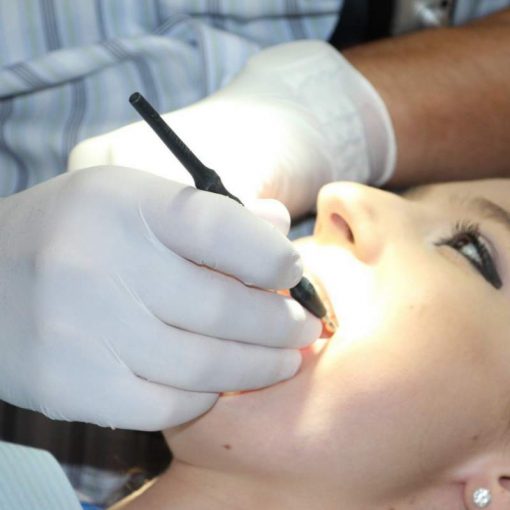
When you check-in, the receptionist may ask you to fill out a patient questionnaire about your oral health history. Once you’re called to an exam room you’ll meet the hygienist and then when your cleaning is done, you’ll meet with the dentist. A hygienist or a certified dental assistant will begin your dental check-up with a teeth cleaning that includes the following:
Examining the gums
Looking for signs of gum disease
Checking for loose teeth
Examining your tongue
Checking for broken teeth
Checking for damaged fillings
Looking for changes in the gums covering teeth
Checking the contact between your teeth
Taking X-rays
Step-by-Step Process
1. Discussion of symptoms and medical history
Your dentist will begin by asking whether you have experienced toothache, sensitivity, bleeding gums, bad breath, difficulty chewing, jaw discomfort or any changes inside your mouth. You should also mention medical conditions, allergies, pregnancy and any medicines or supplements you are taking. Conditions such as diabetes and medicines that cause dry mouth can influence oral health and may affect treatment planning.
2. Examination of the teeth
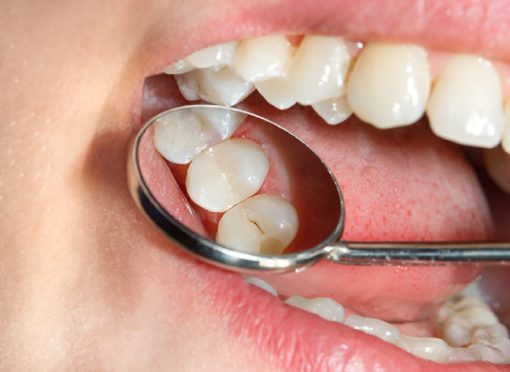
Each tooth is examined for visible decay, cracks, wear, mobility and sensitivity. The dentist will also check existing fillings, crowns, bridges, implants or dentures for damage, leakage, looseness or changes in fit. A dental mirror and probe may be used to examine areas that are difficult to see directly. Early dental problems do not always cause pain, which is why a clinical examination can be valuable even when your mouth feels normal.
3. Examination of the gums
The dentist will look for plaque, tartar, redness, swelling, recession and bleeding around the gums. When required, the spaces between the gums and teeth may be measured with a periodontal probe. Deeper gum pockets, bleeding and loss of supporting bone can indicate periodontal disease. The findings help the dentist determine whether routine cleaning, deeper periodontal treatment or further monitoring is required.
4. Bite and jaw assessment
Your bite may be assessed to see how the upper and lower teeth meet. The dentist may also look for signs of teeth grinding, uneven tooth wear, overloading of particular teeth or difficulty moving the jaw. Patients experiencing jaw pain, clicking, limited mouth opening or frequent headaches should inform the dentist during the appointment.
5. Oral cancer screening
A dental checkup may include examination of the tongue, cheeks, lips, palate, floor of the mouth and other oral tissues. The dentist looks for ulcers, swellings, lumps and unexplained red or white patches. The neck and jaw may also be examined when clinically indicated. Any unusual change that persists or appears suspicious may require further assessment, imaging or biopsy.

6. Dental X-rays and scans, when required
Dental X-rays are not automatically required during every checkup. The dentist decides whether imaging is necessary after considering your symptoms, examination findings, age, dental history and previous images. Small dental X-rays can help detect decay or infection that may not be visible clinically. An OPG provides a broader view of the teeth and jaws, while a CBCT scan may be recommended for selected implant, surgical, root canal or jaw-related cases. An intraoral scan may be used to digitally record the teeth and bite.
7. Explanation and written treatment plan
After the examination, the dentist should explain the findings in understandable language. If treatment is required, you may be shown the relevant tooth, X-ray or scan and informed about the available options. The discussion may include the purpose of treatment, alternatives, approximate timeline, expected benefits, limitations, costs and what may happen if the condition is left untreated. Complex treatment should be planned only after appropriate clinical and diagnostic assessment.
Teeth Cleaning during Dental Checkup
They can start working inside your mouth. The first thing they will do is give your teeth a thorough cleaning. They start by scraping off built-up plaque and tartar that collects above and below the gum line before flossing between and around every tooth to remove any plaque or food particles that are clinging on. They will also give your teeth a smooth and shiny finish using a tooth polisher with a spinning head and slightly abrasive paste. The polishing will get rid of any residue that was previously missed and will make your teeth smoother so that plaque will not collect as easily on them between visits to the dentist.
Dental Examination at Dentist
The dental exam is different from the initial examination that your hygienist completed as this one is done by your dentist. They will use your dental x-rays to see if there is any loss of bone, fractures, or any other abnormality below your visible gum line before moving on to look for issues with jaw alignment. Teeth grinding, and oral cancer.
Results and advice after Dental Checkups
After the dental exam is complete. Your dentist will let you know exactly what is going on in your mouth and will advise you about the next steps. Sometimes this involves scheduling another dental appointment for a procedure while other times your dentist will give you advice about what you can do at home to better your oral health. It is extremely important that you listen to this advice and put it into action as best you can to ensure that your next checkup is the best it can be.
The following is a general overview of what typically happens during a dental checkup:
- Cleaning: Your teeth will be cleaned to remove plaque and tartar, which can cause tooth decay and gum disease.
- Examination: The dentist will examine your teeth and gums to look for any signs of problems, such as cavities, gum disease, or other oral health issues.
- X-rays: X-rays may be taken to help the dentist see areas that are not visible during the examination.
- Assessment of bite and jaw alignment: The dentist will assess the alignment of your bite and jaw to look for any problems that may affect your oral health.
- Discussion of treatment options: If any issues are detected, the dentist will discuss your treatment options with you, which may include fillings, crowns, extractions, or other procedures.
- Oral cancer consulting: The dentist may perform an oral cancer screening to look for any signs of oral cancer.
- Oral hygiene instructions: The dentist will provide you with instructions on how to maintain good oral hygiene and care for your teeth and gums between checkups.
It’s important to keep regular dental checkups as a part of your oral health routine to maintain a healthy smile and prevent oral health problems from becoming more serious.
Conclusion
A dental checkup is an opportunity to understand the current health of your mouth—not simply a search for cavities. A careful examination can identify early tooth decay, gum disease, damaged dental work, bite-related problems and changes in the oral tissues before they become more difficult to manage. The interval between checkups should be based on your individual needs. Some patients may require frequent monitoring, while people with stable oral health may be advised to return after a longer interval. Do not wait for severe pain before visiting a dentist. Persistent sensitivity, bleeding gums, swelling, a broken tooth, difficulty chewing or an ulcer that does not heal should be assessed promptly.
FAQs
1. What happens during a routine dental checkup?
A routine dental checkup usually includes a review of your symptoms and medical history, examination of the teeth and gums, assessment of existing dental work, and inspection of the soft tissues inside the mouth. Your bite and jaw may also be evaluated.
2. How long does a dental checkup take?
A straightforward checkup may take approximately 20 to 30 minutes. A first consultation or a complex assessment involving X-rays, scans and detailed treatment planning may take longer.
3. Is a dental checkup painful?
A routine dental examination is generally not painful. You may experience mild sensitivity during gum measurements or while an inflamed area is being examined. Tell the dentist immediately if you feel discomfort.
4. Are teeth cleaned during every dental checkup?
Not necessarily. The dentist will determine whether professional cleaning is required. It may be completed during the same appointment or arranged separately, depending on the amount of tartar and the condition of your gums.
5. Are dental X-rays necessary at every checkup?
No. Dental X-rays should be taken only when they are clinically required. The decision depends on your symptoms, age, dental history, disease risk, examination findings and the availability of previous images.
6. What can a dentist detect during a checkup?
A dentist may identify cavities, cracked or worn teeth, gum disease, loose teeth, damaged fillings or crowns, bite problems, jaw-related concerns and unusual changes in the oral tissues.
7. Does a dental checkup include oral cancer screening?
A routine examination may include inspection of the tongue, cheeks, lips, palate and floor of the mouth for ulcers, lumps or unexplained red and white patches. Suspicious findings may require further investigation.