
What do you look for in a dental clinic? The answer goes beyond location and cost. A high-quality dental clinic should have experienced dentists, modern technology, excellent hygiene standards, comprehensive treatment options, transparent communication, and a strong commitment to patient care. Taking the time to evaluate these factors helps ensure you receive safe, effective, and personalised dental treatment while building a long-term relationship with a trusted dental team.
Who Is This Article For?
This article is for patients and families choosing a new dental clinic, people considering implants, root canals, crowns or cosmetic dentistry, and anyone seeking a second opinion before extensive dental treatment.
10 Things to Check Before Treatment
Choosing a dental clinic should involve more than comparing distance, advertisements or the lowest treatment quotation. Dental treatment can affect your comfort, appearance, chewing ability and long-term oral health. The quality of the diagnosis and treatment planning is therefore just as important as the procedure itself.
A good dental clinic should make you feel informed rather than pressured. The dentist should listen to your concerns, examine the entire mouth, explain the diagnosis and provide suitable treatment options. The clinic should also maintain proper infection-control systems, clinical records and follow-up support.
Advanced equipment can improve diagnosis and treatment planning, but technology alone does not make a clinic reliable. The dentist’s qualifications, clinical judgement, communication, sterilisation standards and willingness to explain alternatives remain essential.
The following ten factors can help you choose a dental clinic with greater confidence.
1. Check the Dentist’s Qualifications and Registration
Begin by checking who will actually diagnose and treat you. A dental clinic may have an attractive website or modern equipment, but the professional qualifications and relevant experience of the treating dentist remain fundamental. In India, a practising dentist should be registered with the appropriate State Dental Council. Patients can also search the Indian Dentists Register using the dentist’s name, registration number or State Dental Council. Dentists are expected to display their registration numbers on professional documents such as prescriptions, certificates and receipts.

A BDS-qualified general dentist can diagnose and treat many common dental conditions. More complex cases may require a specialist with an MDS or other recognised training in a relevant field. For example, a complex root canal may require an endodontist, advanced gum disease may require a periodontist, and major jaw surgery or certain complicated implant cases may require an oral and maxillofacial surgeon. Extensive crowns, bridges, dentures or full-mouth rehabilitation may involve a prosthodontist.
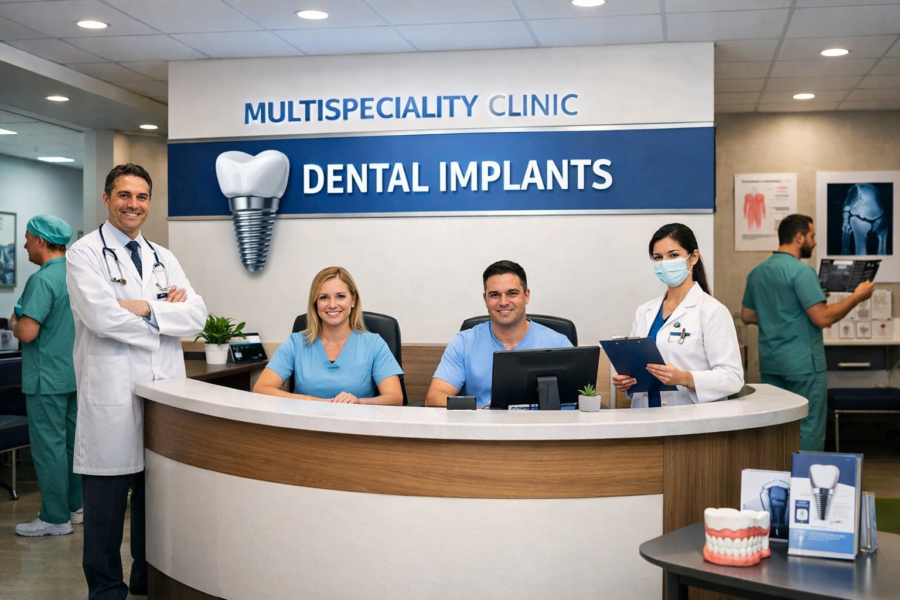
Ask who will perform each stage of your treatment. In a multidisciplinary clinic, the consultation may be conducted by one dentist while surgery, root canal treatment or prosthetic work is performed by another specialist. This is acceptable when the roles are explained clearly and the treatment is properly coordinated.
2. Look for a Complete Diagnosis Before Treatment
A trustworthy dental clinic should not recommend major treatment after only a quick look inside the mouth. A proper consultation generally begins with your symptoms, medical history, medicines, allergies, previous dental treatment and main expectations. The dentist should then examine the teeth, gums, bite and surrounding oral tissues. Depending on the problem, additional tests may include checking tooth vitality, gum-pocket measurements, photographs, digital scans or dental X-rays.
Imaging should be selected according to the patient’s symptoms and treatment needs. Not every patient requires a CBCT scan or a complete set of X-rays. Professional guidance recommends that dental imaging be ordered when the expected diagnostic information is likely to influence patient care, after considering the clinical examination and medical and dental history. Be cautious if extensive treatment is recommended without explaining what problem was found, which tooth is affected and what evidence supports the diagnosis. You should be able to see or understand the clinical finding through an X-ray, photograph, scan, mirror examination or clear explanation.
3. Expect a Written and Understandable Treatment Plan
A dental treatment plan should explain more than the name of a procedure. It should describe the diagnosis, teeth involved, proposed sequence, expected number of visits and any important alternatives. For major treatment, the plan should clarify whether a tooth can be preserved, whether root canal treatment is required, why a crown or implant is being recommended and what may happen if treatment is delayed or declined.
Informed consent is not simply a signature on a form. It is a discussion that helps the patient understand the recommended treatment, its expected benefits, possible risks and reasonable alternatives. Patients should be involved in treatment decisions rather than being asked to approve a plan they do not understand. Ask the dentist to explain the plan in simple language.
A good clinician should be comfortable answering questions such as:
- Why is this treatment necessary?
- Can the natural tooth be saved?
- Are there more conservative alternatives?
- What are the limitations of each option?
- What will happen if I do not proceed immediately?
- Will another specialist be involved?
4. Observe the Clinic’s Sterilisation and Infection-Control Practices
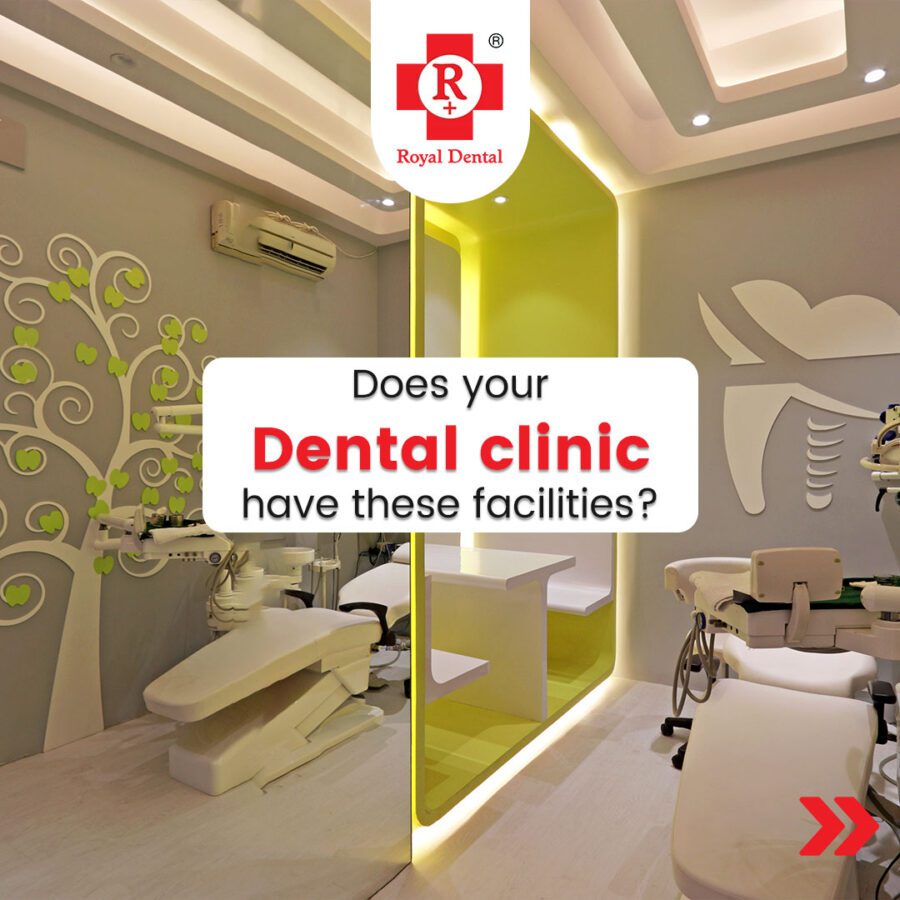
Dental procedures involve saliva, blood, sharp instruments and equipment that may contact oral tissues. Infection control is therefore a basic requirement, not an optional premium facility. The treatment area should appear clean and organised. Dentists and assistants should follow hand-hygiene practices and use appropriate protective equipment. Single-use items should be discarded after use, while reusable instruments should be cleaned, packaged and sterilised according to established protocols.

Dental handpieces and instruments that become contaminated should be appropriately reprocessed between patients. Sterilisation equipment should also be maintained and monitored rather than relying only on the machine being present. CDC guidance identifies standard precautions, safe injection practices, instrument sterilisation and monitoring of sterilising equipment as basic expectations for safe dental care. You may politely ask how instruments are sterilised and whether sealed instrument packs are opened for each patient. A professional clinic should be able to explain its process without becoming defensive.
5. Choose Clinical Judgement, Not Technology Alone
Digital X-rays, CBCT scans, intraoral scanners, CAD-CAM systems and computer-guided surgery can be valuable when used for the right indication. They may improve visualisation, documentation, communication and treatment planning. However, the presence of expensive equipment does not guarantee correct diagnosis or successful treatment. Technology must support clinical judgement rather than replace it.
For example, CBCT may help evaluate jawbone dimensions, nerve position, impacted teeth or complex implant sites. An intraoral scanner may create a digital impression for crowns, bridges, aligners or implant prostheses. CAD-CAM technology can support the digital design and manufacture of restorations.
A surgical guide may be designed using a digital scan and three-dimensional imaging to assist planned implant positioning. This is different from routinely printing a customised dental implant inside the clinic. Most dental implants are manufactured under controlled industrial processes and selected according to the patient’s anatomy and treatment plan.
Ask why a particular scan or technology is being recommended and how it will change your treatment. The best clinic is not necessarily the one that performs every available scan, but the one that uses appropriate technology when it provides meaningful clinical benefit.
6. Check the Quality and Traceability of Dental Materials
Dental treatment may involve implants, crowns, bridges, bone-grafting materials, membranes, aligners or other devices that remain in the body for an extended period. Patients should be told what material or system is being used when it is relevant to treatment decisions.
For dental implants, ask for the implant brand, size, batch or lot details and implant identification record. For crowns and bridges, ask whether the restoration is zirconia, metal-ceramic, polymer-based or another material, and why it has been selected for that location. Material choice should depend on the remaining tooth structure, bite forces, location, available space, gum condition, aesthetic expectations and treatment cost. No single material is automatically ideal for every patient.
Terms such as “premium,” “German,” “Swiss,” “lifetime” or “best quality” should not replace proper technical information. Ask for the recognised product name, treatment limitations and written warranty or assurance conditions where applicable. A clinic with an in-house laboratory or CAD-CAM facility may benefit from faster communication and closer quality control, but the final outcome still depends on preparation, design, material selection, bite adjustment and long-term maintenance.
7. Ask for Transparent Costs and What the Estimate Includes
Cost is an important consideration, but the lowest initial quotation may not represent the lowest final cost. Two estimates may appear to describe the same treatment while including different materials, investigations, temporary teeth, laboratory work, follow-up or additional procedures. Request an itemised written estimate for major treatment. It should state what is included and identify costs that may change after further investigation or during treatment.
For implant treatment, clarify whether the estimate includes the implant, surgical procedure, abutment, temporary teeth, final crown or bridge, scans, grafting and follow-up. For root canal treatment, ask whether the final restoration or crown is included. For orthodontic treatment, understand whether retainers and review appointments are part of the quoted fee.
Treatment alternatives should also be discussed. A patient may choose between different materials or treatment approaches after understanding their benefits, limitations and costs. The decision should be based on informed preference rather than pressure to accept the most expensive option.
8. Assess Communication and Patient Comfort
A dental clinic should allow patients to describe their concerns without feeling rushed or judged. The dentist should explain what was found, what treatment is recommended and what sensations or recovery may be expected. Good communication is especially important for anxious patients, children, senior citizens and people undergoing complex treatment. Patients should know whom to contact if pain, swelling, bleeding or another concern develops after the procedure.
Comfort does not mean promising that every procedure will be completely painless or free from risk. It means making reasonable efforts to control pain and anxiety while giving the patient realistic information. A clinic that openly discusses limitations and possible complications is usually more trustworthy than one that guarantees perfect results in every case.
9. Review Follow-Up Care and Clinical Documentation
Dental treatment does not always end when the procedure is completed. Root canal treatments, implants, crowns, gum therapy and full-mouth rehabilitation require review and maintenance. Ask what follow-up is included and what symptoms should prompt an earlier appointment. Implant patients, for example, require ongoing cleaning and monitoring of the surrounding gums, prosthetic components and bite. Patients treated for periodontitis require maintenance because the disease can become active again.
The clinic should maintain appropriate patient records, including medical history, diagnosis, X-rays, treatment notes, consent, material details and prescriptions. Good records support continuity when multiple specialists are involved or when the patient returns after a long interval. Patients considering treatment in another city or country should ask how follow-up will be managed after they return home. The clinic should provide a treatment summary and relevant records when necessary.
10. Use Reviews and Recommendations Carefully
Online reviews can help you understand common themes in a clinic’s patient experience, but they should not be the only basis for choosing treatment. Read a range of reviews rather than focusing only on the overall rating. Look for repeated comments about communication, cleanliness, punctuality, treatment explanations and aftercare.
Very short reviews, exaggerated promises or a sudden pattern of similar language may provide less useful information than detailed experiences. At the same time, one negative review does not necessarily indicate poor clinical care. Dental outcomes and patient expectations can vary.
Should You Get a Second Dental Opinion?
A second opinion can be valuable when the diagnosis is unclear, several teeth are proposed for extraction, extensive implants or full-mouth reconstruction are recommended, or two treatment plans differ considerably. A second opinion does not mean that the first dentist is necessarily incorrect. Complex dental problems may have more than one reasonable solution.
Take your X-rays, scans, photographs and written treatment plan to the second consultation where possible. Ask the next dentist to assess the condition independently before discussing the earlier recommendation. For complicated or irreversible treatment, a second opinion can help you understand whether the natural teeth can be preserved, whether specialist care is needed and whether the proposed treatment sequence is appropriate.
Conclusion
Choosing the right dental clinic requires more than finding the nearest clinic or comparing the lowest price. Look for a registered and appropriately experienced dentist, a clear diagnosis, a written treatment plan, reliable sterilisation and transparent communication. Technology and modern facilities can support good dentistry, but they should be used according to clinical need. Ask about materials, costs, follow-up and alternatives before beginning irreversible treatment. A good dental clinic should help you understand your condition and participate in the decision. When treatment is extensive, expensive or unclear, obtaining a second opinion is a reasonable and responsible step.
FAQs
What should I look for in a dental clinic?
Look for experienced dentists, modern dental technology, comprehensive treatment options, strict hygiene protocols, positive patient reviews, transparent pricing, and a patient-centred approach to care.
How do I know if a dental clinic is trustworthy?
A trustworthy clinic employs qualified dentists, maintains high standards of sterilisation, explains treatment plans clearly, provides transparent pricing, and has positive patient feedback and testimonials.
Why is dental technology important?
Modern technology such as digital X-rays, CBCT scans, and intraoral scanners improves diagnostic accuracy, treatment planning, patient comfort, and overall clinical outcomes.
Should I choose a dental clinic based only on price?
No. While affordability is important, the quality of care, dentist’s expertise, hygiene standards, available technology, and long-term treatment outcomes should also be considered.
How often should I visit a dental clinic?
Most people should visit a dental clinic every six months for routine examinations and professional cleaning. Your dentist may recommend more frequent visits based on your oral health needs.