
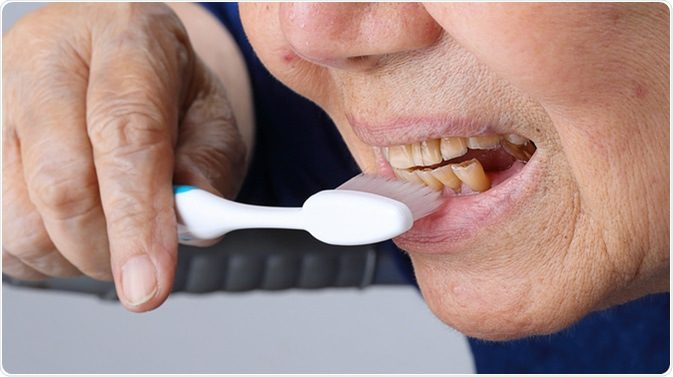
What did people do before dentists? Long before modern dental clinics existed, people relied on traditional healers, herbal remedies, and simple surgical techniques to manage toothaches and oral diseases. Ancient civilizations, including the Egyptians, Greeks, and Romans, developed early methods to relieve dental pain, extract damaged teeth, and improve oral hygiene using the knowledge and tools available at the time. Although these treatments offered limited success compared to modern dentistry, they laid the foundation for the advanced dental care we benefit from today.
Who Is This Article For?
- People interested in dental history
- Patients curious about ancient dental practices
- Students researching the history of dentistry
- Individuals interested in oral health
- Anyone wanting to learn how dentistry has evolved
Who were the first dentists?
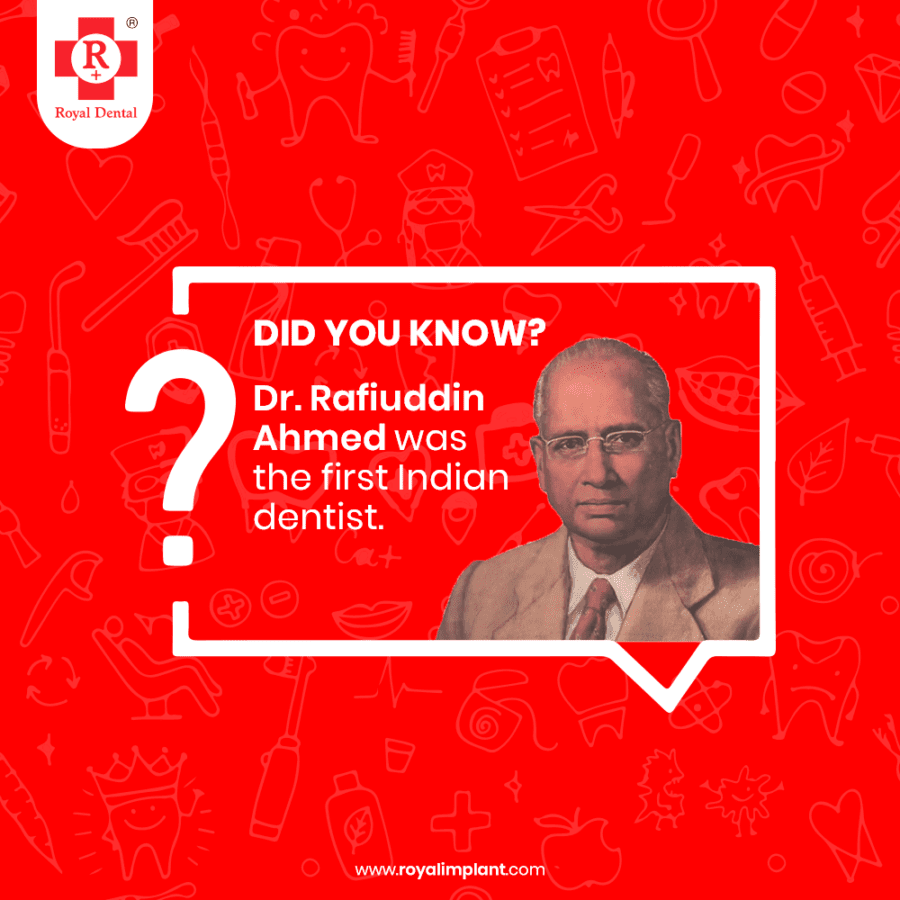
The first dentists were “barbers” – people who were also trained in bloodletting, surgery, and hair cutting. They served as the first practitioners of dentistry, with the added bonus of being able to cut hair at the same time! Many barbers of the 19th century would offer teeth extractions and tooth fillings as a side service – usually for a small fee. However, dental practices were still in their infancy in the 19th century. It wasn’t until the 1880s that the American Dental Association was formed, and teeth-related practices were standardized.
Why is oral hygiene so important?
It’s no exaggeration to say that a person’s oral hygiene (or lack thereof) can have a profound effect on their quality of life. In ancient times, there was no understanding of the importance of oral hygiene. People didn’t understand the connection between their teeth and the rest of their bodies, and therefore didn’t make the effort to keep their teeth clean.
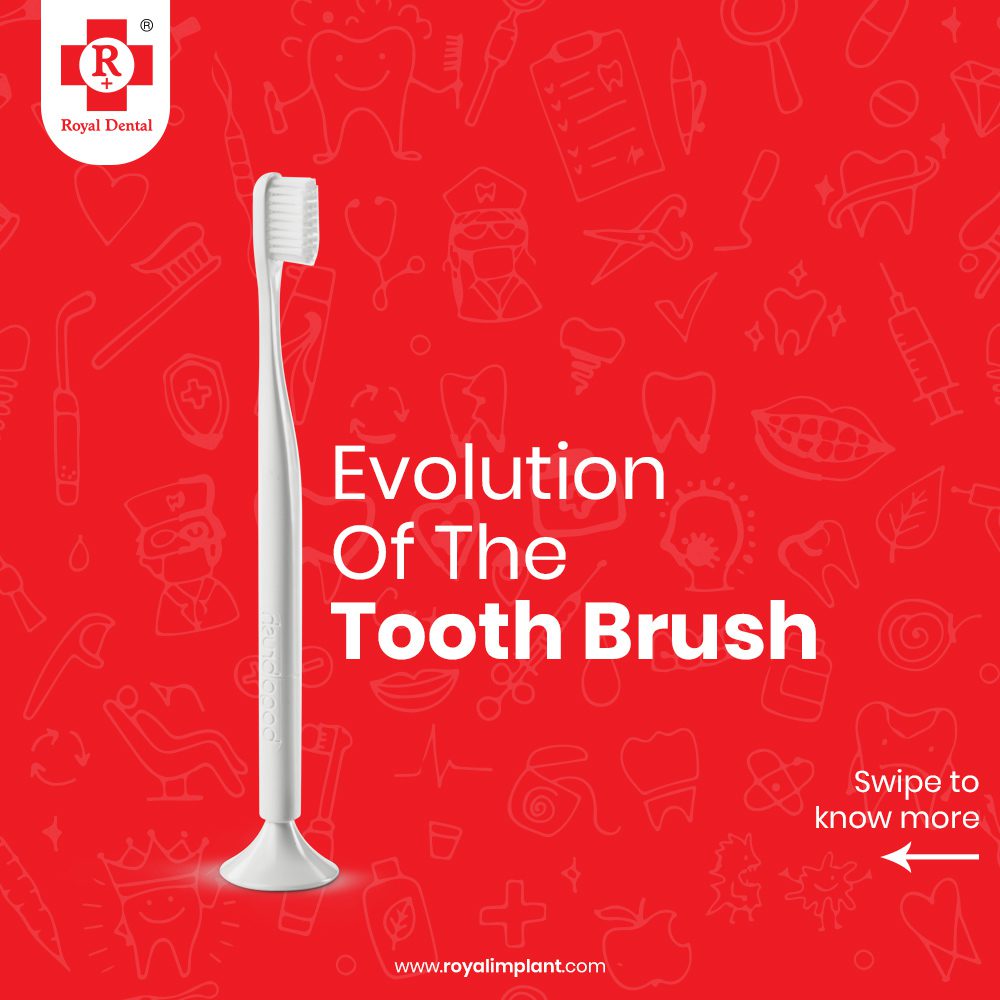
In fact, it wasn’t until 1901 that William B. Brush – founder of the toothbrush company that still exists today – realized that people should clean their teeth in addition to their gums. He recognized that when you focus solely on the gums, you leave the rest of the teeth untouched. This can lead to tooth decay – a mouth-wide problem that can have serious consequences.

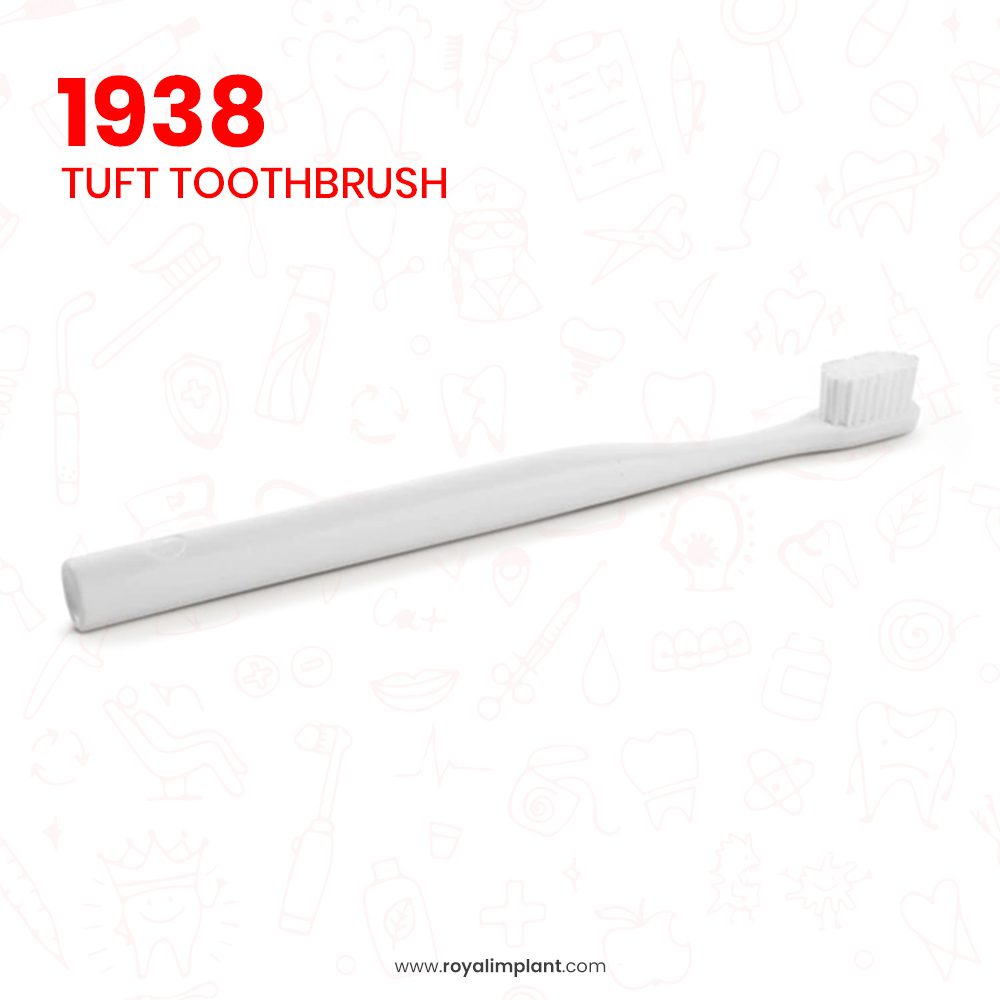
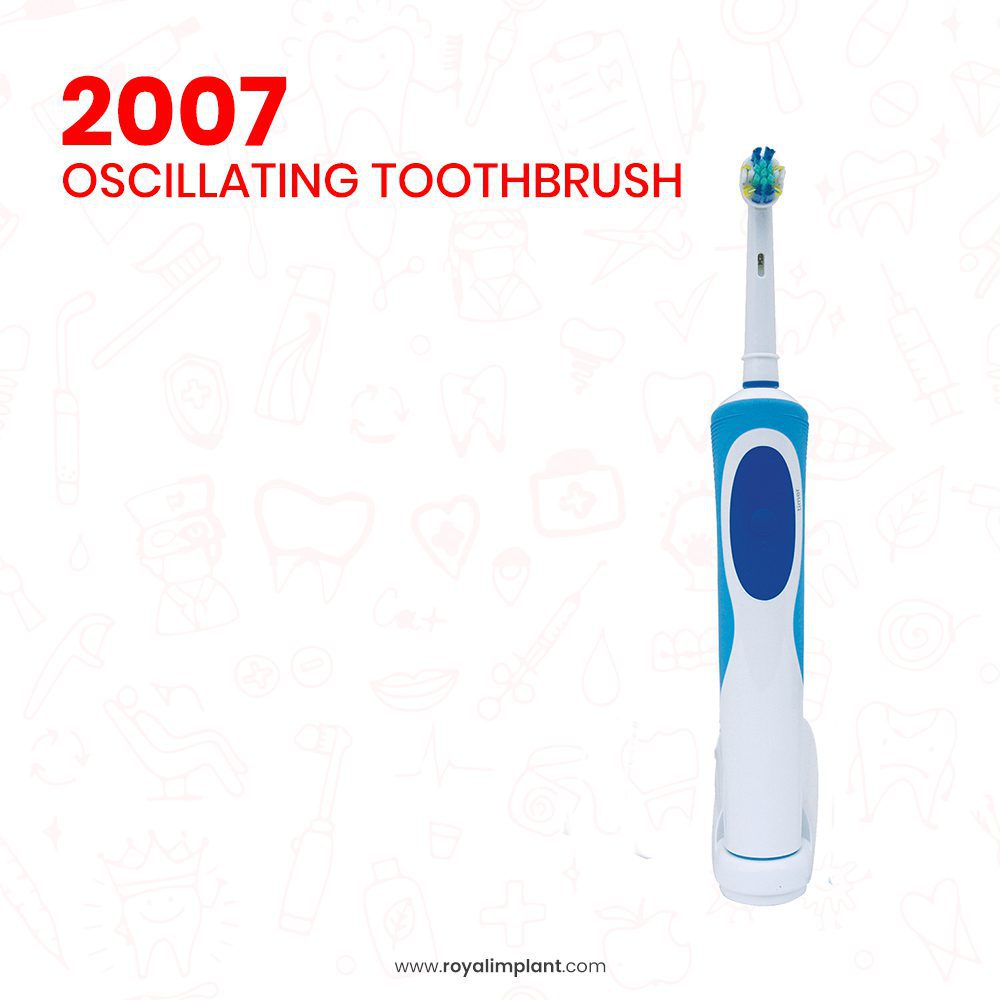
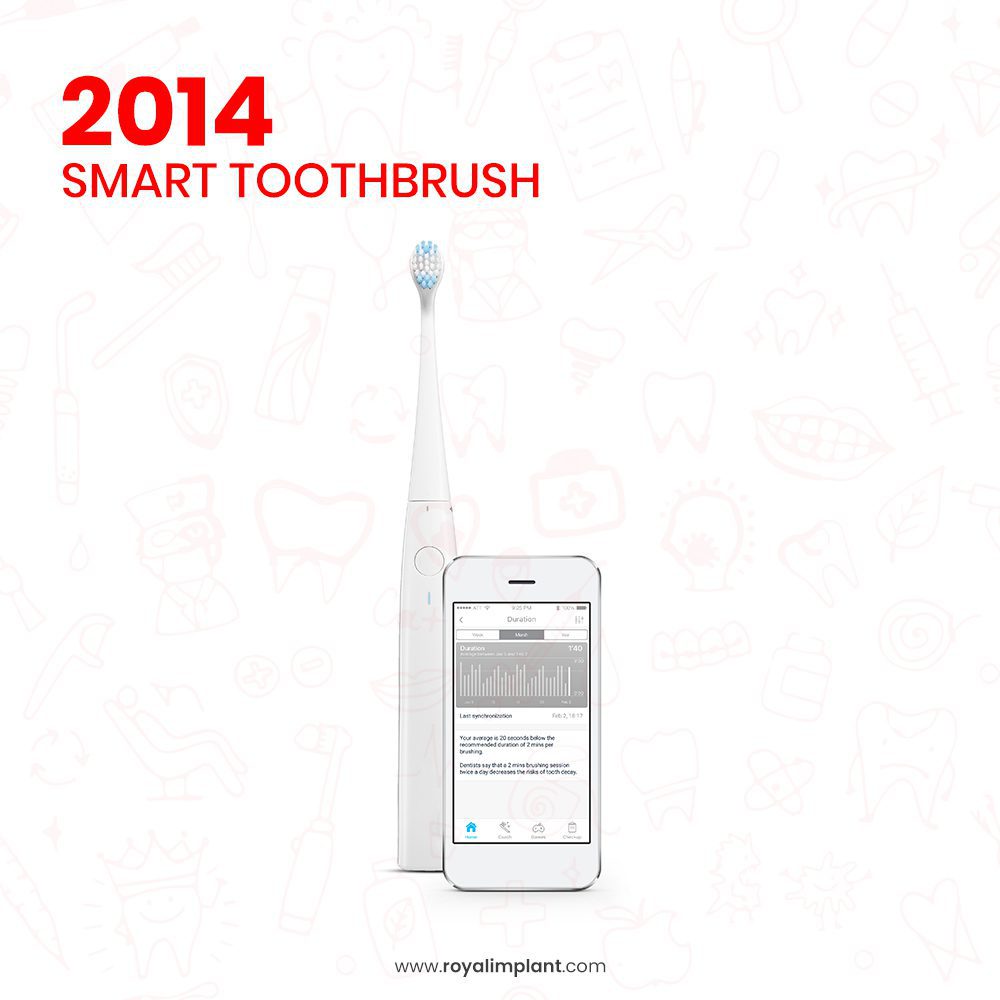
Dental practices in ancient times
If you didn’t clean your teeth, you probably had your teeth pulled. This was the most common form of dentistry in ancient times – pulling teeth was easy to do, and it was effective at lessening tooth pain. There are a few reasons why it was popular to pull teeth in ancient times. For one, people didn’t understand the importance of oral hygiene. This meant that cavities were incredibly common – and often painful. There was also no way to fill in cavities at the time. This meant that tooth pain was likely to get worse and worse until you pulled the tooth.
What did people do before Dentists?
If you had a toothache, you likely waited for it to go away on its own. If it didn’t, you might have had it pulled, or you might have had it removed with a pair of pliers. Brushing your teeth? Definitely not. There’s a good chance you didn’t even have teeth – or if you did, they were likely rotting out of your head. This is because people in ancient times didn’t have the right diet for good teeth. While it may seem like good oral hygiene practices are a modern invention, they’re actually as old as time itself. The first people to understand the importance of oral hygiene were ancient Egyptians. They had a high-sugar diet, and therefore needed to regularly clean their teeth.
Dentists become popular in the 1800s
While bloodletting was a popular practice in the Middle Ages, dentistry wasn’t as readily available. This was likely due to the fact that many dentists were barbers – and as we’ve discussed, barbers often didn’t specialize in teeth. Instead, dentistry was often done by doctors who had a general knowledge of teeth. These doctors were likely not specialists, and as a result, dental practices were not always effective at treating cavities and tooth pain.
Conclusion
Today, patients benefit from evidence-based treatments that focus not only on relieving pain but also on preventing dental problems before they become serious. Regular dental check-ups, professional cleanings, and early diagnosis help maintain healthy teeth and gums while reducing the need for complex procedures. Understanding the history of dentistry highlights how far oral healthcare has progressed and reinforces the importance of seeking timely professional dental care to protect your smile for years to come.
Book a Consultation
Modern dentistry offers safe, comfortable, and effective solutions for maintaining healthy teeth and gums. Whether you need a routine dental check-up, treatment for tooth pain, cosmetic dentistry, or restorative care, the experienced team at Royal Dental Clinics is here to help.
Our dentists provide personalised treatment plans using advanced technology and evidence-based techniques to deliver the highest standard of care. Book your consultation today to receive a comprehensive dental evaluation and a personalised treatment plan designed to protect your oral health and keep your smile healthy for years to come.
FAQs
What did people do before dentists existed?
Before modern dentists, people sought help from traditional healers, physicians, barber-surgeons, and herbal practitioners who treated tooth pain using the medical knowledge and tools available at the time.
How did ancient people treat toothaches?
Ancient cultures used herbal remedies, plant extracts, natural pain relievers such as clove, and, when necessary, extracted severely damaged teeth using primitive instruments.
Did ancient civilizations practise dentistry?
Yes. Evidence from ancient Egypt, Greece, Rome, and other civilizations shows that people attempted various forms of dental treatment, including tooth extraction, oral hygiene practices, and even early dental restorations.
When did modern dentistry begin?
Modern dentistry began to develop during the 18th and 19th centuries with formal dental education, improved instruments, anaesthesia, and scientific understanding of oral diseases.
Why is modern dentistry safer than ancient dental care?
Modern dentistry uses advanced diagnostic tools, sterile techniques, effective anaesthesia, evidence-based treatments, and preventive care, making procedures far safer and more successful than those used in ancient times.