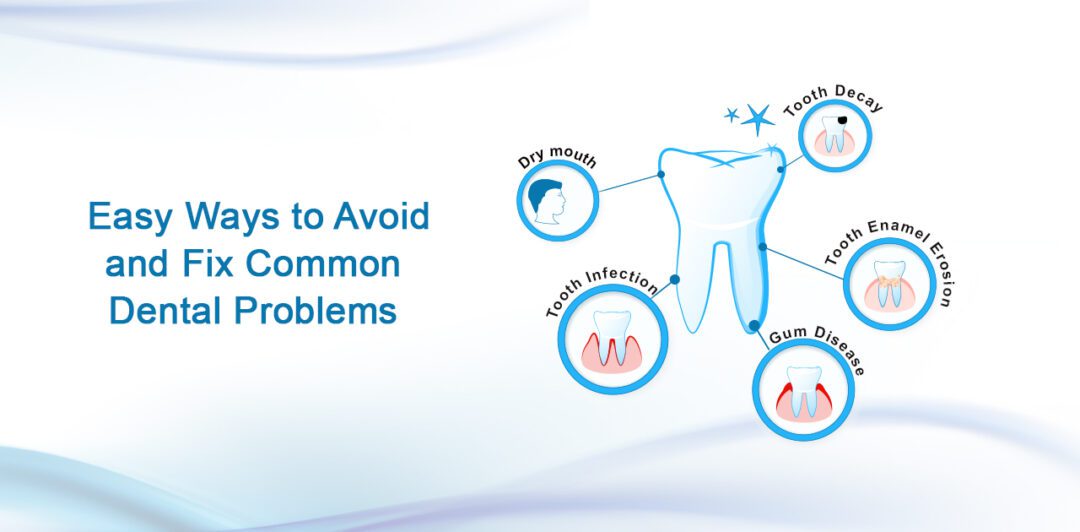
How do I prevent my dental problems? The answer lies in practising good oral hygiene every day and making healthy lifestyle choices. Brushing twice daily with fluoride toothpaste, flossing regularly, limiting sugary foods and drinks, eating a balanced diet, and visiting your dentist for routine check-ups are some of the most effective ways to prevent cavities, gum disease, and other oral health problems. Early preventive care not only protects your teeth and gums but also reduces the need for complex dental treatments in the future.
Who Is This Article For?
- Adults looking to improve their oral health
- Parents teaching children good dental habits
- People with frequent dental problems
- Individuals interested in preventive dentistry
- Anyone wanting to maintain a healthy smile
Prevent My Dental Problems!
The first step towards keeping your teeth healthy is to visit the dentist.
It’s important to maintain a healthy diet, but you also need to make regular teeth cleaning appointments. A dentist will inform you about the best teeth cleaning practices and will let you know when you need to visit him/her. While you’re following a healthy diet, you should also take care of your teeth. Make sure to brush your teeth twice a day, floss once a day, and use mouthwash to prevent tartar and plaque from building up.
If you have a job that requires you to use your teeth frequently, make sure to wear a mouth guard. This will help prevent injuries and will protect your teeth. Some dentists also recommend wearing a mouth guard when playing sports such as basketball, tennis, and soccer where there’s a risk of accidentally hitting someone in the face with a ball.
Stay away from sugary and starchy foods
Yes, this should’ve been first on the list, but we’re starting with the most important topic. Sugary foods and starchy foods that break down into sugar, like cookies, candies, chips, cereals, and pastas, are healthy only for your teeth if you brush them immediately. These foods can cause plaque, which is a sticky substance that accumulates on your teeth and can lead to cavities and other dental problems. If you eat one of these foods, you should brush your teeth thoroughly for about three minutes to prevent cavities and gingivitis. It’s important to maintain good oral hygiene, and brushing your teeth after every meal will help you prevent dental problems.

Brush your teeth twice a day with fluoride toothpaste
Brushing your teeth twice a day is one of the easiest and most effective ways to avoid dental problems. It’s important to use a fluoride toothpaste to protect your teeth and prevent cavities. Fluoride can be found in almost any toothpaste and has been proven to be an effective way to prevent tooth decay. If you’re wondering how long you should brush your teeth, the answer is three minutes. You should brush your teeth for at least three minutes to ensure that you remove all the plaque.
A good way to make sure you brush your teeth for three minutes is to keep track of time using a stopwatch or a timer. If brushing your teeth for three minutes seems like too much, there are several types of toothbrushes that allow you to brush for less time without sacrificing results.
Floss once a day
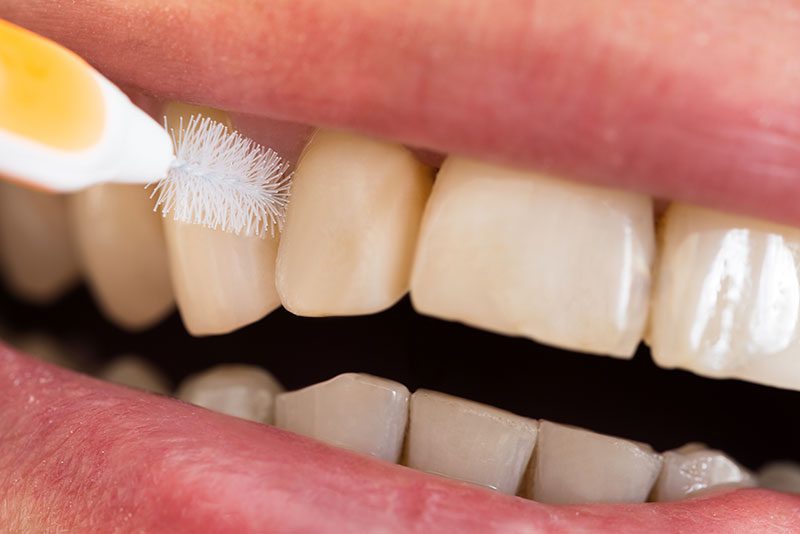
Did you know that you can end up with cavities between your teeth even if you brush twice a day? That’s right, and that’s why flossing is so important. Flossing once a day will help you remove food particles and plaque that you can’t reach with a toothbrush. It’s important to use the right technique when flossing. You should wrap the dental floss around two fingers and move it gently in between the teeth until you see the dental floss coming out on the other side. If you’re having trouble removing food particles with floss, you can try using a mouthwash that contains anti-plaque agents.
Use mouthwash after brushing and before going to bed
Brushing your teeth is a great way to protect your teeth, but it doesn’t do much for your gums. Gingivitis, which is an inflammation of the gums, is one of the most common dental problems. It can lead to periodontitis, which is a more serious infection that can damage your teeth and lead to tooth loss. Gingivitis can be treated with daily brushing and flossing, but it’s also important to use mouthwash. You should use mouthwash after brushing your teeth and before going to bed. Alcohol-free mouthwash is best because it doesn’t damage your teeth or your gums.

Incorporate fresh food in your diet
Fresh fruits, vegetables, and other foods rich in Vitamin C can help prevent tooth decay, gingivitis, and other dental problems. Vitamin C is a powerful antioxidant that works against plaque and prevents it from building up on your teeth. If you want to keep your teeth healthy, you should eat plenty of fresh fruits and vegetables. You can also use a teeth whitening product if you’re worried about your teeth getting stained.
Conclusion
Healthy smiles are built through small, consistent habits rather than occasional treatments. Regular dental check-ups allow potential issues such as cavities, gum disease, and other oral conditions to be identified and treated before they become more serious. By taking a proactive approach to your oral health and following professional dental advice, you can reduce your risk of future dental problems, preserve your natural teeth, and enjoy greater comfort, confidence, and overall well-being for years to come.
Book a Consultation
From routine dental check-ups and professional teeth cleaning to cavity treatment, gum disease management, root canal therapy, cosmetic dentistry, and dental implants, we offer advanced, evidence-based solutions tailored to your unique needs. Our goal is to help you prevent dental problems before they become serious while delivering comfortable, compassionate care in a modern clinical environment. Book your consultation today to take the first step towards protecting your smile and enjoying lifelong oral health.
FAQs
How do I prevent my dental problems?
Maintain good oral hygiene by brushing twice daily, flossing every day, eating a balanced diet, limiting sugary foods, and visiting your dentist regularly for preventive care.
What causes most dental problems?
Most dental problems are caused by plaque build-up, poor oral hygiene, excessive sugar consumption, tobacco use, and skipping regular dental check-ups.
How often should I visit the dentist?
Most people should visit their dentist every six months for routine examinations and professional cleaning. However, your dentist may recommend more frequent visits depending on your oral health needs.
Can diet affect my dental health
Yes. A diet high in sugary foods and drinks increases the risk of tooth decay, while a balanced diet rich in vitamins, minerals, and calcium supports healthy teeth and gums.
Is gum disease preventable?
In most cases, yes. Regular brushing, flossing, professional dental cleanings, and early treatment of gingivitis can significantly reduce the risk of developing periodontal disease.