What can cause rapid tooth decay? If you’ve noticed cavities developing more frequently than usual, you’re not alone. Rapid tooth decay can result from several factors, including poor oral hygiene, frequent consumption of sugary or acidic foods, dry mouth, certain medical conditions, smoking, and untreated dental problems. While tooth decay is common, rapid progression is often a warning sign that your teeth require professional attention. Understanding the causes and taking preventive measures early can help protect your natural teeth and avoid more complex dental procedures in the future.
What is Rapid Tooth Decay?
Rapid tooth decay, also known as early dental caries, occurs before the age of 5 years. It is usually caused by eating foods that contain high levels of sugar, but which have not been properly chewed and digested. If you are below the age of 5, your teeth are at a low risk of decay. This is because your teeth are still soft and malleable, so children’s teeth are less likely to become decayed. Therefore, if you are below the age of 5 and you have been eating sugar-containing foods, then it is highly likely that you will experience tooth decay in the future.

Why do Dental caries quicken than normal?
The reason that tooth decay happens faster than normal is because teeth are still developing while you are eating sugary foods. It is normal to have some tooth decay while you are young. However, when you consume a lot of sugary foods, then you are more likely to experience rapid dental cavities. In fact, in some studies, it has been found that children who consume high amounts of sugar are almost five times more likely to experience decays than those who don’t eat sugary foods.
Sugar as a cause of rapid Tooth Decay
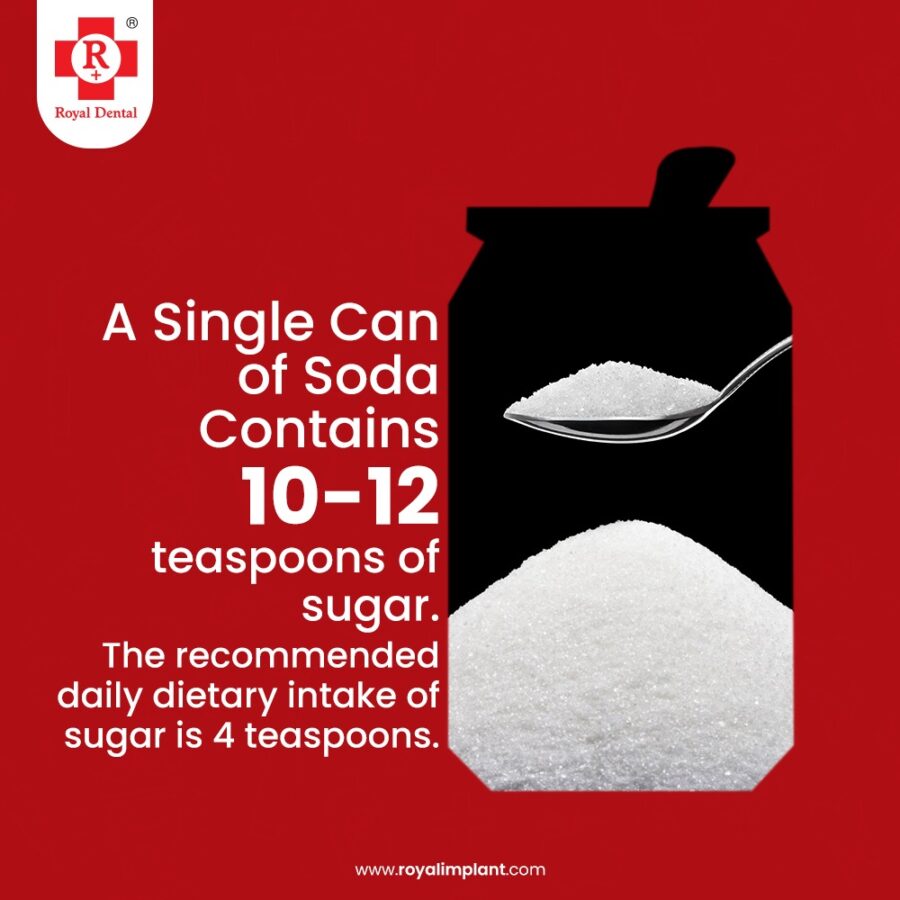
Sugar is the type of carbohydrate that is most commonly associated with tooth decay. Often, when we talk about rapid tooth decay, we are actually talking about sugar as the main cause of dental cavity. Sugar is a simple carbohydrate that is found in many foods. It is what makes up the majority of soft drinks, confectionary treats, cereals, and many other foods. Foods high in sugar usually include things like fruits, cereals, and chocolate.
Starch as a Cause of Rapid Tooth Decay
Starch is a complex carbohydrate that is found in many foods and is what bread is made from. Like sugar, it is a simple carbohydrate that is found in many foods. However, starch is also a complex carbohydrate that contains chains of sugars that are much longer than those found in sugar. This means that starch contains more calories and is often used as a source of energy.
Acidic Foods as a Cause of Rapid Tooth Decay
Many foods can cause tooth caries because they are high in acidity. By acidity, we are referring to the hydrogen ions that are found in almost all foods. These ions can cause tooth decay because they attack the minerals in your teeth, weakening them. Many acidic foods fall under the category of soft drinks, fruit juice, and colas. Fruit juice, soft drinks, and other beverages are very acidic and are often the main cause of rapid dental decay.

Bacteria as the source of rapid Dental Caries
Rapid tooth decay can be due to bacteria. Bacteria are very small organisms that can be found in almost every part of your body. They are found in your mouth and are necessary for digestion. However, they can also cause dental caries if they get into your teeth. If bacteria get into your teeth, they can start to decompose the tooth enamel. This means that the tooth becomes weak and susceptible to decay. Bacteria are known to attack tooth enamel. You can decrease the chance of this by brushing your teeth after meals, drinking plenty of water, and chewing food thoroughly.
Conclusion
What can cause rapid tooth decay? The answer often lies in a combination of lifestyle habits, oral hygiene practices, dietary choices, and underlying health conditions. Factors such as poor brushing and flossing habits, excessive sugar intake, dry mouth, smoking, and untreated cavities can significantly increase the risk of rapid tooth decay. If left untreated, decay can quickly spread to the inner layers of the tooth, leading to pain, infection, and the need for more complex treatments such as root canal therapy or tooth extraction.
Fortunately, rapid tooth decay is largely preventable with the right approach. Maintaining good oral hygiene, following a balanced diet, limiting sugary snacks and beverages, and attending regular dental check-ups can help protect your teeth from irreversible damage. Early diagnosis is essential because small cavities are much easier and more affordable to treat than advanced dental infections. If you notice tooth sensitivity, persistent toothache, visible cavities, or changes in your teeth, seeking prompt professional care can help preserve your natural smile and prevent future complications.
Book a Consultation
If you’re experiencing frequent cavities, tooth sensitivity, or signs of rapid tooth decay, don’t wait until the problem becomes more serious. At Royal Dental Clinics, our experienced dentists use advanced diagnostic technology to identify the underlying cause of tooth decay and provide personalised treatment plans tailored to your oral health needs.
Whether you require preventive care, dental fillings, root canal treatment, or restorative dentistry, our team is committed to helping you achieve long-lasting oral health. Book your consultation today for a comprehensive dental examination and receive a customised treatment roadmap to restore your smile, prevent future decay, and keep your teeth healthy for years to come.
FAQs
What can cause rapid tooth decay?
Rapid tooth decay is commonly caused by poor oral hygiene, sugary diets, dry mouth, frequent snacking, smoking, untreated cavities, and certain medical conditions or medications.
Can rapid tooth decay be stopped?
Yes. Early diagnosis, professional dental treatment, improved oral hygiene, fluoride use, and dietary changes can stop or slow the progression of tooth decay.
Is rapid tooth decay a sign of an underlying health problem?
Sometimes. Conditions such as diabetes, acid reflux, eating disorders, or medications that reduce saliva production can increase the risk of rapid tooth decay.
How do dentists treat rapid tooth decay?
Treatment depends on the severity of the decay and may include dental fillings, fluoride therapy, root canal treatment, dental crowns, or tooth extraction in advanced cases.
How can I prevent rapid tooth decay?
Brush twice daily with fluoride toothpaste, floss every day, reduce sugary foods and drinks, drink plenty of water, and schedule regular dental check-ups.