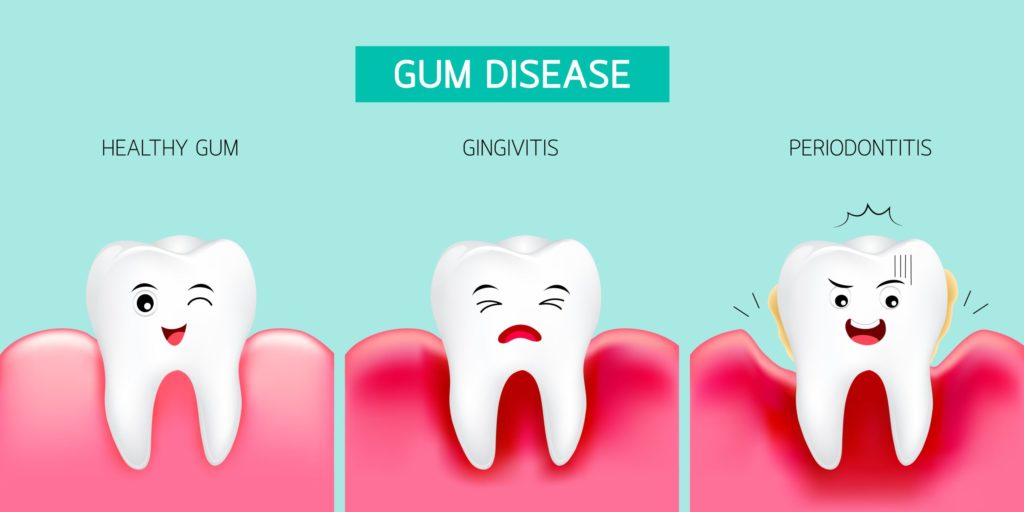
The answer depends on how early the condition is diagnosed. Gum disease develops when plaque and bacteria accumulate around the teeth and gums, leading to inflammation and infection. In its early stage, known as gingivitis, gum disease can usually be reversed with professional dental cleaning and improved oral hygiene. If it progresses to periodontitis, the damage to the supporting tissues cannot be completely reversed, but the condition can be successfully managed with appropriate periodontal treatment and regular dental care. Early diagnosis and timely treatment are the keys to protecting your gums and preserving your natural teeth.
Who Is This Article For?
- People experiencing bleeding or swollen gums
- Patients diagnosed with gingivitis or periodontitis
- Individuals with persistent bad breath
- People looking to improve their gum health
- Anyone wanting to prevent tooth loss
What are Gum Diseases?
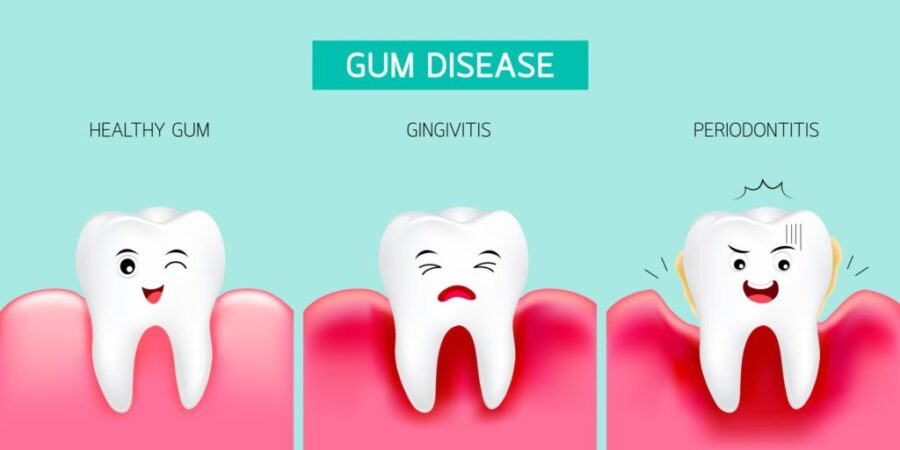
Gum disease is a condition caused by bacteria in the mouth that destroys gums and bone around the teeth. It can lead to tooth loss and also cause chronic bad breath. There are various stages of periodontal diseases:
Early Stage: At this stage, gums are red and swollen and may bleed easily. People with early periodontal or gum disease may also experience headaches, increased risk of dental infections and increased risk of losing teeth.
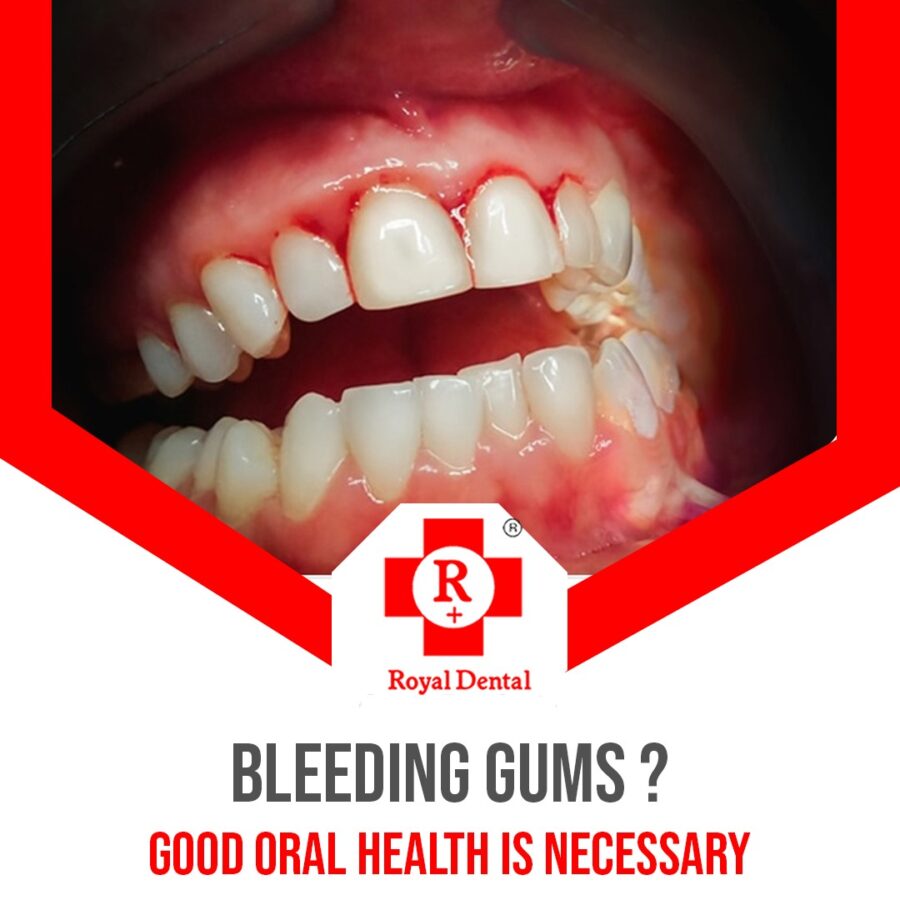
Middle Stage: During the middle stage, the condition has progressed to a stage where the gums are dark and swollen, bleeding easily and likely to bleed out when touched. This is when tooth loss can become quite common.
Late Stage: This is the deadliest stage of gum disease, and the one you want to avoid at all costs. In this stage, the gums are red and swollen, have a dark color, and have a thin layer of tissue covering them. The tissue is very fragile, and you can easily hurt or damage it by brushing your teeth too hard, biting something or even plucking a hair. This is when periodontitis or periodontal disease can set in and be fatal.
Symptoms of Gum Disease
Bad breath: This should be your first sign that something is amiss. There are two reasons for bad breath: gum disease and oral cancer. Unpleasant-smelling breath: This is a result of bad breath from the infection and build-up of bacteria in the mouth. Tooth loss: If you notice that one or more teeth has started to become loose, then it is an indication that gum disease is progressing.
How to Get Rid of Gum Disease?
Make sure you brush your teeth twice a day, especially after meals and before going to bed. Also, make sure you use a soft toothbrush that does not contain abrasives. Take a tablet twice a day and swish it around in your mouth for at least five minutes before spitting it out. The right diet can go a long way when it comes to treating gum disease. You need to make sure that you don’t have a sweets-heavy diet.
Instead, you need to focus on eating more veggies and fibrous fruits. Additionally, you should also make sure that you are drinking enough water as well. If you are not sure what to eat, then you can try eating more veggies and fibrous fruits. These are healthy foods that can help you fight against gum disease.
Foods that cure Gum Disease or Periodontitis
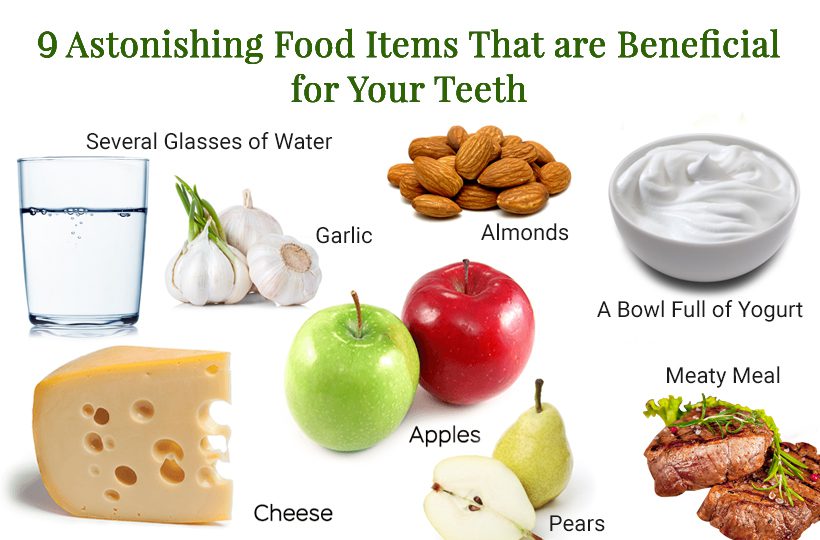
If you want to beat gum disease, you need to bring on the right foods. These are foods that are good for your teeth, gums and lessening the risk of developing periodontal disease. Some of these include:

- Tomatoes – Tomatoes are rich in lycopene, an anti-cancer compound that can also strengthen your teeth by preventing the growth of harmful bacteria.
- Fresh Coconut Water – Fresh coconut water is rich in enzymes that can help you fight against gum disease.
- Coconut Oil – This is rich in medium-chain fatty acids that can help soothe your gums and strengthen your teeth.
- Grapes – Grapes are rich in antioxidants that can help reduce the amount of plaque in your mouth and therefore protecting your teeth from the build-up of bacteria.
- Flaxseed – Flaxseed is rich in antioxidants, vitamins and minerals that can help you recover from gum disease.
- Olive Oil – This fatty acid is heart-friendly, can help ease digestion and promote weight loss.
Don’t Forget The IV fluids!
Most people who are suffering from periodontitis are also battling diabetes. If you want to recover from gum disease, you need to make sure that you are controlling your blood sugar. This means that you should eat healthy, but don’t forget to keep yourself hydrated.
A good rule of thumb is to drink at least eight glasses of water every day. You can also add lemon or orange slices to your water for added benefits. Additionally, you can make an appointment with your doctor and ask them for a referral to a diabetes specialist. These are people who can show you how to control your diabetes and help you recover from periodontitis.
Conclusion
Can you recover from gum disease? Yes, but the outcome depends on how early the condition is diagnosed and treated. Gingivitis, the earliest stage of gum disease, is usually reversible with professional dental cleaning, good oral hygiene, and regular dental check-ups. However, if gum disease progresses to periodontitis, the damage to the gums and supporting bone cannot be completely reversed. Even so, modern periodontal treatments can effectively control the infection, preserve your natural teeth, and prevent further deterioration.
The key to successful gum disease recovery is early intervention and consistent long-term care. Brushing twice daily, flossing regularly, maintaining a healthy diet, and attending routine dental visits can significantly reduce the risk of recurrence. If you notice symptoms such as bleeding gums, persistent bad breath, gum recession, or loose teeth, seeking prompt professional care can make a significant difference. With timely treatment and ongoing maintenance, many people can successfully manage gum disease and enjoy healthy gums and a confident smile for years to come.
Book a Consultation
If you’re experiencing bleeding gums, swollen gums, persistent bad breath, or other signs of gum disease, don’t ignore the symptoms. At Royal Dental Clinics, our experienced dentists provide comprehensive periodontal evaluations and advanced gum disease treatments tailored to your individual needs.
Whether you require professional dental cleaning, scaling and root planing, or ongoing periodontal care, our team is committed to restoring your gum health and protecting your natural teeth. Book your consultation today for a comprehensive gum health assessment and receive a personalised treatment plan to help you recover from gum disease and maintain a healthy smile for life.
FAQs
Can you recover from gum disease?
Yes. Early-stage gum disease (gingivitis) can usually be reversed with professional dental treatment and good oral hygiene. Advanced gum disease (periodontitis) can be controlled and managed but not completely reversed.
How long does it take to recover from gum disease?
Mild gingivitis may improve within a few weeks with proper treatment and oral hygiene. Recovery from periodontitis varies depending on the severity of the disease and the treatment provided.
Can gum disease heal on its own?
No. Gum disease does not usually resolve without proper oral hygiene and professional dental care. Delaying treatment may allow the disease to progress.
What happens if gum disease is left untreated?
Untreated gum disease can lead to gum recession, bone loss, loose teeth, persistent infection, and eventually tooth loss.
How can I prevent gum disease from returning?
Brush and floss daily, attend regular dental check-ups, avoid smoking, maintain a healthy diet, and follow your dentist’s recommendations for periodontal maintenance.