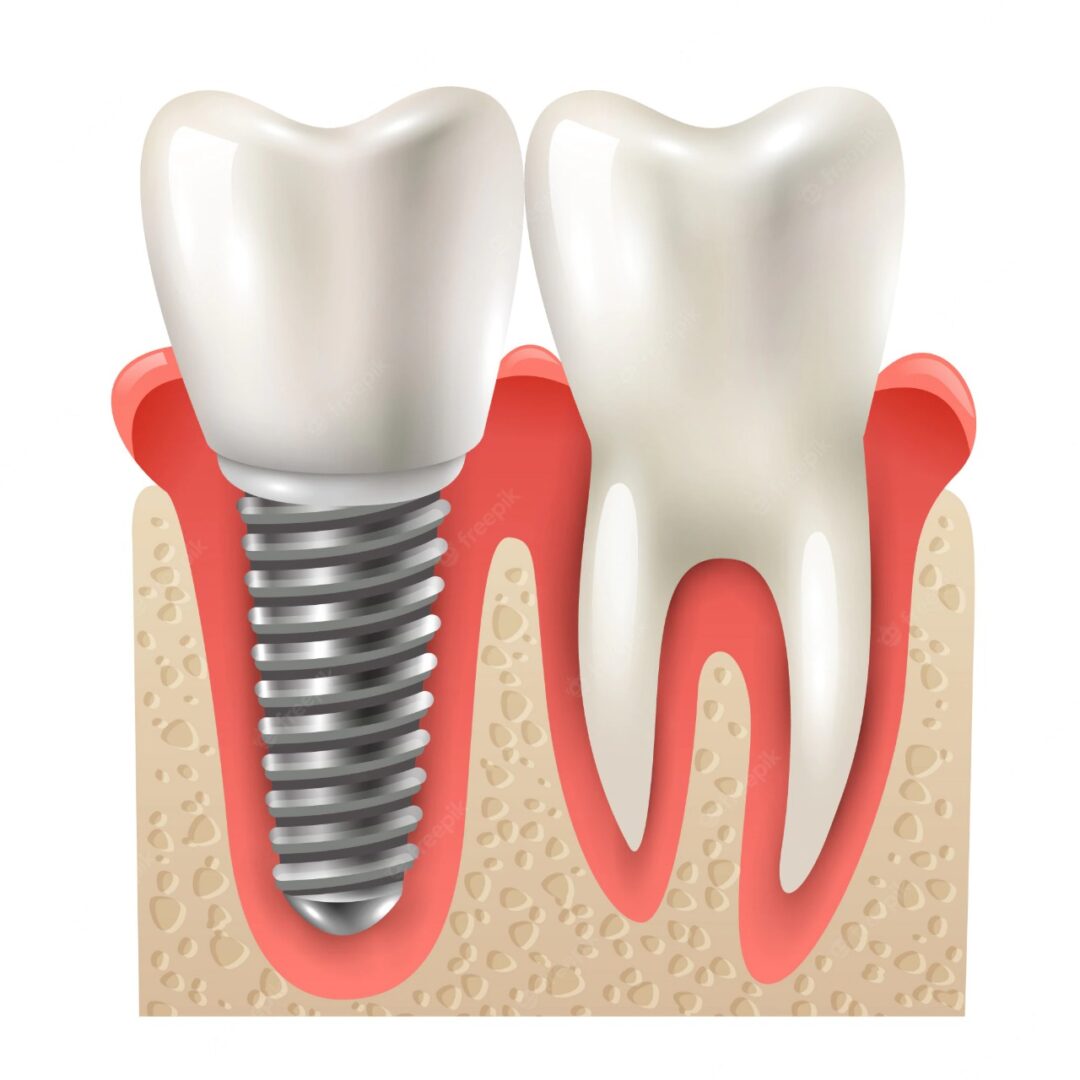
Dental implants are titanium screws screwed into the jawbone to support false teeth or a denture. Once they’re in place, the implant acts as an anchor for your artificial teeth. Implant surgery is currently the only dental treatment support a denture (provisional or complete). An implant used to replace one or more missing natural teeth by anchoring SAPTeeth dental crowns. That’s why implants have high success rates even after long periods of time.
What are Dental Implants with SAPTeeth is a common question for patients who are looking for a fixed replacement option for missing or damaged teeth. Dental implants act like artificial tooth roots placed in the jawbone, while SAPTeeth crowns or bridges are fixed over them to restore chewing comfort, speech, smile appearance, and daily function.
Who is This Article For?
This article is for patients who have one or more missing teeth and want to understand how dental implants work with SAPTeeth crowns or bridges. This blog explains that dental implants act like artificial tooth roots placed in the jawbone, while SAPTeeth crowns or bridges are used as the visible tooth replacement supported by the implant. It also helps patients understand the benefits, limitations, cost concerns, healing time, oral hygiene needs, and why consultation with an implant dentist is important before treatment.
How do Dental Implants function with SAPTeeth Crown?
Dental implants are small, screw-shaped devices, usually made of titanium, that act as artificial tooth roots. They are surgically placed into the jawbone, where they may gradually bond with the surrounding bone through a process called osseointegration. Once stable, implants can support a crown, bridge or fixed/removable denture to replace one or more missing teeth.
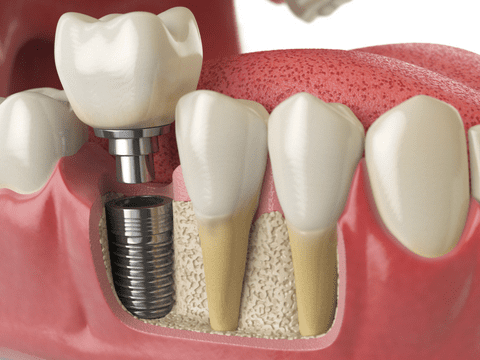
Dental implants do not support the neighbouring natural teeth in the way a traditional dental bridge does. Instead, they provide independent support for the replacement teeth. They may also help maintain chewing function and reduce further bone loss in the area of the missing teeth. However, implants cannot be guaranteed to last for life, and their longevity depends on oral hygiene, general health, smoking habits, bite forces and regular dental maintenance.
Titanium is commonly used because it is strong, lightweight and biocompatible, meaning that it is generally well tolerated by the body. It is also widely used in medical devices such as orthopaedic plates, screws and joint replacements.
Pros of Dental Implants with SAPTeeth
Long-lasting: The titanium root is permanently fixed to your bone. It cannot be pulled out or dislodged. Implants can last a lifetime.
Improved smile: Implants look and feel more natural than dentures, allowing you to show off your smile with confidence.
Healthier gums: As dentures are often loose fitting and move around, they can cause irritation, sores and ulcers in the mouth and gums. Implants firmly fixed in place, helping to support the mouth and gums and reduce bleeding and other problems.
Better nutrition: If you’re missing teeth, your ability to eat a healthy, balanced diet severely limited. Dentures are often too loose to chew properly, causing discomfort and pain and affecting your ability to absorb nutrients and minerals from the food you eat.
Better oral health: Dental implants can help to improve your oral hygiene, reducing plaque and tooth decay and lowering the risk of gum disease.
Cons of Dental Implants
Longer treatment: While single SAPTeeth crowns and bridges are often done in a single appointment, implants are a long-term treatment that goes through several stages: surgery, healing, loading (when the implant is tested before the final denture is inserted) and the fitting of the final denture.
More expensive: While dental implants a long-term investment, expensive than a traditional denture.
Longer healing time: Unlike other dental procedures, implant surgery takes a while. First, your dentist will take an impression of your jaw to make a cast of the area. He or she will then make an incision in your gums to place the implant in the bone.
Potential complications: Implant surgery is a major procedure. While majority of patients experience no complications, there is a very small but real risk of infection, nerve damage, or problems with the healing process.
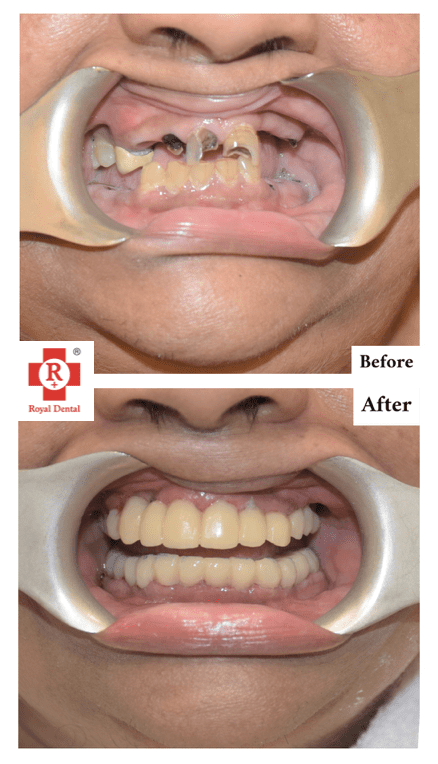
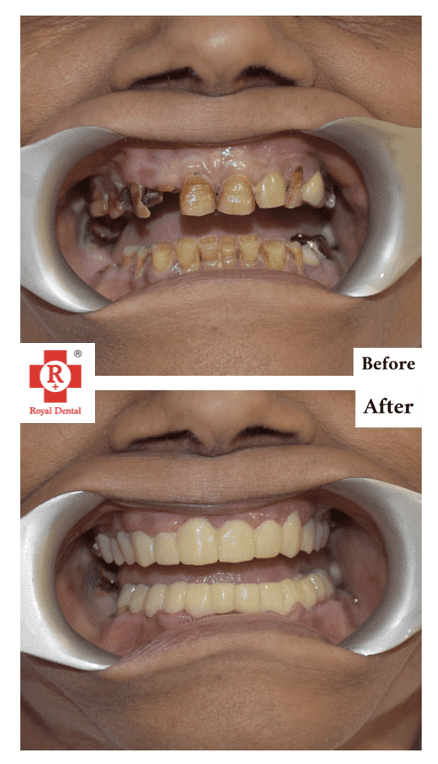
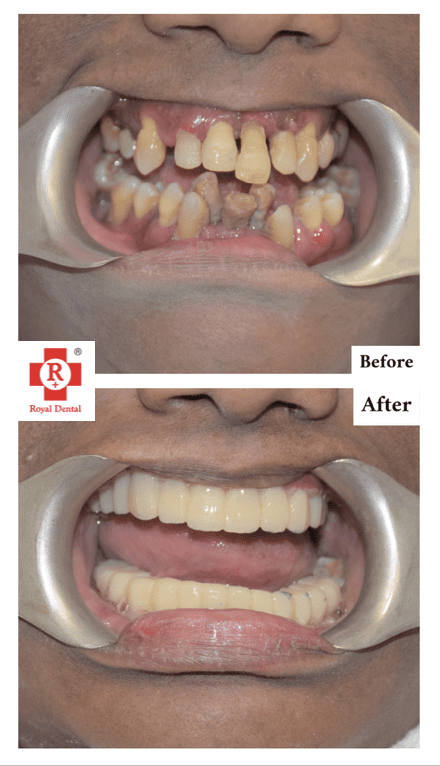
Implants are good for mouth with SAPTeeth
Yes! When compared to removable dentures, implants with better oral health. They can also help improve your self-esteem and confidence. While implants can help to improve your oral hygiene, it’s important to keep up with brushing and flossing to avoid tooth decay. While implants may be a better option for your teeth and gums, you can still contract gum disease and periodontal disease. You should also make sure to see your dentist regularly for checkups and cleaning appointments.
SAPTeethTM dental crown material comes in preformed blanks that are digitally managed and easy to process. They suited to digital CAD-CAM for the production of dental crowns & bridges. The use of machine production cost and time-saving, also ensures less reworking and therefore greater stability.
Find a Good Dentist for Implants?
Find out if your dentist is a member of a dental association. Most dental associations require their members to have specific levels of education, training, and experience. A dental association membership also shows that your dentist vetted by his or her peers. Associations such as the American Dental Association and the American Association of Endodontists can help you find a dentist near you.
Conclusion
Dental implants placed titanium pieces that serve as new roots for your teeth. Once implanted in your jaw, the titanium roots connect to the bone and stay there for life. They support nearby teeth for an improved, more natural-looking smile. Implants used to replace one or more missing teeth, or they support a denture and avoid double lip and disfiguring facial sagging. When compared to removable dentures, dental implants associated with better oral health. They can also help improve your self-esteem and confidence when you smile.
FAQs
1. What are dental implants with SAPTeeth?
Dental implants with SAPTeeth are a tooth replacement option where titanium implants are placed in the jawbone to act like artificial tooth roots. SAPTeeth crowns or bridges are then fixed over the implants to replace missing teeth and restore chewing, speech, and smile appearance.
2. How do dental implants support SAPTeeth crowns?
Dental implants work as a stable foundation inside the jawbone. Once the implant becomes firm, a SAPTeeth crown or bridge can be attached over it to function like a fixed artificial tooth.
3. Who can choose dental implants with SAPTeeth?
Patients with one or more missing teeth, damaged teeth, loose dentures, or difficulty chewing may be suitable for dental implants with SAPTeeth. A dentist must first check the gums, jawbone, bite, medical history, and oral hygiene before planning treatment.
4. Are SAPTeeth crowns better than removable dentures?
SAPTeeth crowns or bridges supported by implants may feel more stable than removable dentures for many patients. They can help improve chewing comfort, smile confidence, and daily function, but suitability depends on the patient’s dental condition.
5. How long does treatment with dental implants and SAPTeeth take?
The treatment time depends on the patient’s jawbone condition, implant stability, healing, and final crown or bridge planning. Some cases may be completed faster, while others need healing time before the final SAPTeeth restoration is fixed.
6. Do dental implants with SAPTeeth need special care?
Yes, patients must maintain proper brushing, flossing, regular dental check-ups, and professional cleaning as advised. Even though implants and SAPTeeth are artificial, the surrounding gums and bone still need good care to prevent infection or gum problems.