
Good dental care starts with a few simple habits that you can follow every day. Brushing twice a day, cleaning between your teeth, eating a balanced diet and having regular dental checkups can help reduce the risk of tooth decay and gum disease. However, dental care is not exactly the same for everyone. Your age, oral health, dental history and existing treatments can all influence the care you need. This guide explains the basics of dental care and the everyday steps that can help keep your teeth and gums healthy.
Drink fluoridated water and brush with fluoride toothpaste. Practice good oral hygiene. Brush teeth thoroughly twice a day and floss daily between the teeth to remove dental plaque. Visit your dentist at least once a year, even if you have no natural teeth or have dentures.
Who Is This Article For?
- Adults learning the basics of oral care
- People starting a better dental routine
- Parents looking for basic dental-care guidance
- People who haven’t visited a dentist recently
- Patients wanting to prevent cavities and gum disease
- Anyone unsure how often they should brush, floss or see a dentist
Dental Care basics for Healthy Teeth
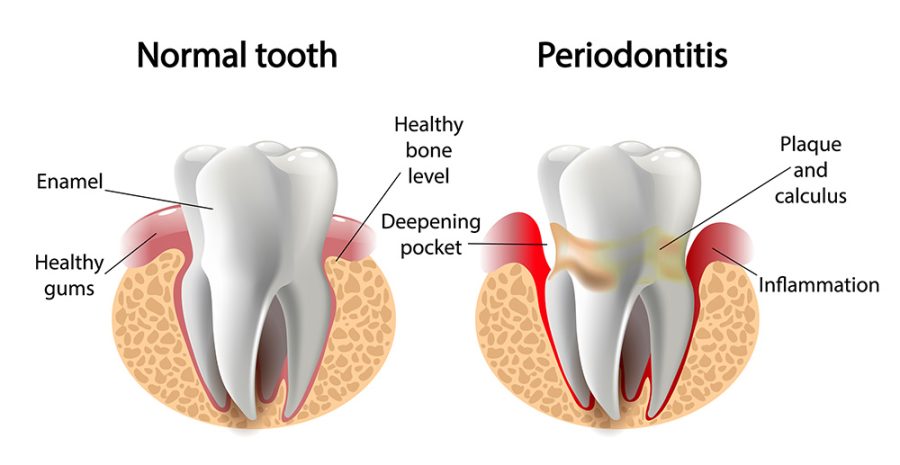
The basics of dental care should be ingrained in everyone by the time they reach adulthood. As such, there are a few things each individual needs to know about taking care of their teeth. First, you need to brush and floss regularly. Brushing your teeth is essential to remove the bacteria that cause cavities and gum disease. If you don’t brush regularly, you risk the onset of cavities and gum disease.

Secondly, you need to visit a dentist for a regular checkup. Visiting a dentist is essential to catch any dental problems before they turn into something more serious. This is the only way you can make sure your teeth are clean, healthy, and free of cavities. Finally, you need to be aware of some of the risks that accompany tooth decay and gum disease. If left untreated, these issues can leave you with serious dental problems such as root sensitivity, tooth loss, and permanent gingivitis.
Should you go to a dentist for regular Dental Care?
Yes, you absolutely should visit a dentist for regular checkups. However, you might be asking yourself why visiting a dentist is important in the first place. First, your dentist will be able to identify any dental problems as soon as possible. You might have no idea that you have cavities in your teeth, but a dentist can easily spot them with a quick dental exam. Another reason you should visit a dentist for regular checkups is that you can save a lot of money in the long term.
If you catch dental problems early, your dentist can treat them with minimal pain and cost. If you wait too long to find out about your dental problems, you might have to spend thousands of dollars on dental surgery. Finally, you might be wondering if regular dental checkups are necessary for your young children. The short answer to that is yes, you should bring your children to the dentist at least twice a year.
What is Dental Insurance and do you need it?
Dental insurance is a bit different from your standard health insurance. Instead of protecting you against the cost of major hospital visits and medical procedures, dental insurance helps you with the cost of regular dental visits and procedures like root canals and crowns. Dental insurance is a great investment for anyone who fears dental procedures or does not have the financial means to cover the cost of regular dental visits.
Unfortunately, dental insurance is a rare thing, especially for people without a job or a steady income. If you do have a job, dental insurance is something you should look into. However, most dental insurance plans only cover children under the age of 18, so you might not be covered if you’re an adult.
How to care for your Teeth against Dental Decay?
If you want to protect your teeth from decay, you need to brush and floss regularly. While dental checkups can help you spot cavities before they turn into serious damage, it doesn’t prevent them from occurring in the first place. You can help protect your teeth from decay by making sure you brush twice a day and floss at least once a day. Using fluoride-containing toothpaste helps fight against the bacteria that cause cavities.
And while we’re on the subject of flossing, you need to do it regularly to prevent cavities from developing between your teeth. If you want to do more to protect your teeth from decay, you can try using an anti-aging mouthwash or an age-defying toothpaste. These products help keep your mouth and teeth clean and healthy for a long time.
Dental care during your teen years
Teens are a tricky bunch. As we mentioned before, they often don’t take care of their teeth as much as they should. However, this doesn’t mean you should ignore your dental care when you’re in your early teenage years. Teens are especially susceptible to gum diseases and tooth decay. As such, you need to be extra careful with your dental care. Teens often benefit from “special” dental care. For example, many dentists suggest that teens use special gels to clean their teeth. The best dental care for teens is brushing, flossing, and visiting the dentist at least twice a year.
Dental care during your 20’s and 30’s
The best dental care for your 20s and 30s is paying attention to your teeth and dental appointments. If you have no cavities or gum diseases, there’s no reason to go overboard with dental procedures. However, if you notice that you have problems with your teeth, you definitely need to visit your dentist to get them fixed. Teeth-wise, your 30s are a pretty good decade. However, if you have a habit of grinding your teeth, this can cause permanent damage to your teeth and gums. Drinking plenty of water will also help you keep your teeth clean and free of bacteria that cause cavities.
Dental care during your 40’s and 50’s
As you get older, you need to take better care of your teeth. This is because as you age, your teeth become more vulnerable to decay and gum diseases. Teeth-wise, you need to be even more diligent with brushing and flossing. Moreover, you need to be even more careful with the food you eat and beverages you drink. Teeth are like muscles; they can be toned with the right care. That’s why it’s very important to visit your dentist for regular checkups and professional teeth cleaning. Teeth-wise, in your forties and fifties, you should pay closer attention to the color of your teeth. If you notice that your teeth are turning yellow, you should visit a dentist to find out what you can do about it.
Conclusion
Good dental care doesn’t have to be complicated. Brushing twice a day with fluoride toothpaste, cleaning between your teeth, making sensible food and drink choices and attending dental checkups can help protect your teeth and gums. If you notice pain, swelling, bleeding, sensitivity or another change in your mouth, don’t wait for it to become worse. A dental examination can help identify the cause and determine whether treatment is needed.
Frequently Asked Questions
What are the basics of dental care?
The basics include brushing twice daily with fluoride toothpaste, cleaning between teeth, maintaining a balanced diet, limiting frequent sugar exposure and having dental checkups as recommended.
How often should I brush my teeth?
For most people, brushing twice a day with fluoride toothpaste is recommended.
Is flossing really necessary if I brush my teeth?
Brushing does not effectively clean every area between teeth. Cleaning between your teeth helps remove plaque from these areas.
How often should I visit the dentist?
The appropriate interval depends on your oral health and individual risk factors. Your dentist can recommend a suitable schedule.
What is the best way to prevent cavities?
Consistent brushing with fluoride toothpaste, cleaning between teeth, limiting frequent sugar exposure and regular dental care can help reduce the risk of cavities.