
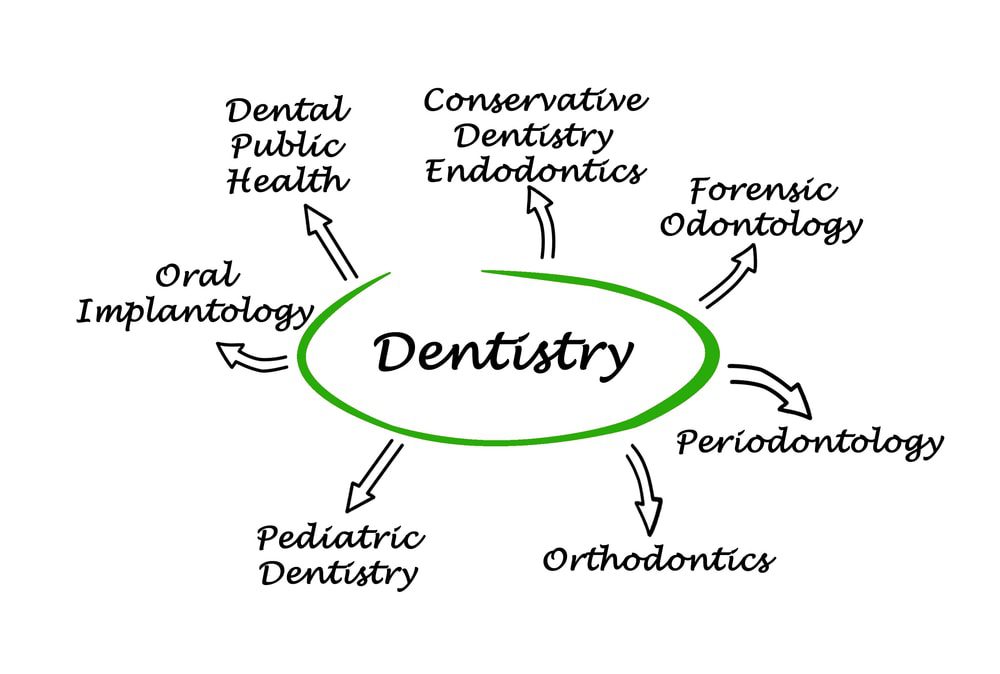
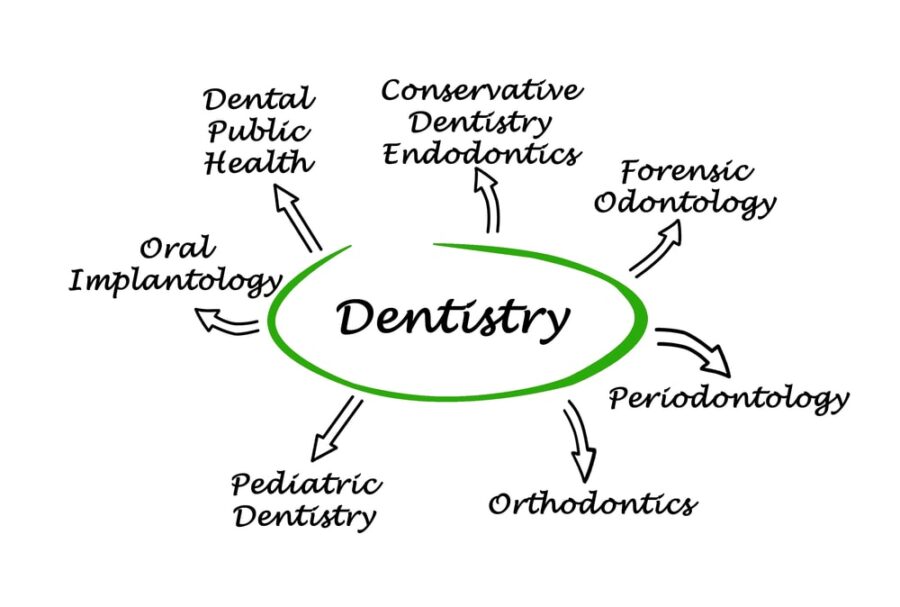
Dentistry is an amazingly rewarding career path with a bright future. It also comes with its fair share of challenges. Beyond providing quality patient care, dentists often manage practice expenses, professional responsibilities, and ongoing education. For those looking to advance their careers, pursuing a Dental Specialization can open doors to advanced clinical expertise, greater professional opportunities, and increased earning potential. From Oral and Maxillofacial Surgery to Orthodontics, Endodontics, and Prosthodontics, there are several Dental Specialization in India options available. Understanding the most paying dental specialization can help aspiring dental professionals make informed decisions about their future career path.
Who Is This Article For?
- Dental students exploring career options
- BDS graduates considering specialization
- Dentists planning postgraduate education
- Parents researching dental careers
- Anyone interested in high-income healthcare professions
What Is a Dental Specialization in India?
A dental specialization involves advanced education and clinical training beyond a Bachelor of Dental Surgery (BDS) degree. Specialists focus on specific areas of dentistry and often handle more complex procedures than general dentists. Most specializations require completing a Master of Dental Surgery (MDS) or equivalent postgraduate training.
There are many dental specializations that you can pursue in dentistry. Some of the more common ones are described below. Beyond the specifics of each dental specialization, there are a few things that you should keep in mind as you choose a career path in dentistry. First, almost all aspects of running a dental practice are highly regulated. This means that each branch of dentistry is highly specialised and regulated by state and federal licensing boards.

When deciding on a dental specialty, you’ll need to make sure that the licensing requirements are realistic based on your level of education. Second, in most cases, the high level of regulation in dentistry means that you’ll need to complete a post-graduate residency program to become licensed to practice that speciality. This often takes several years beyond receiving your dental degree.
Endodontics: Root Canal Dental Treatment
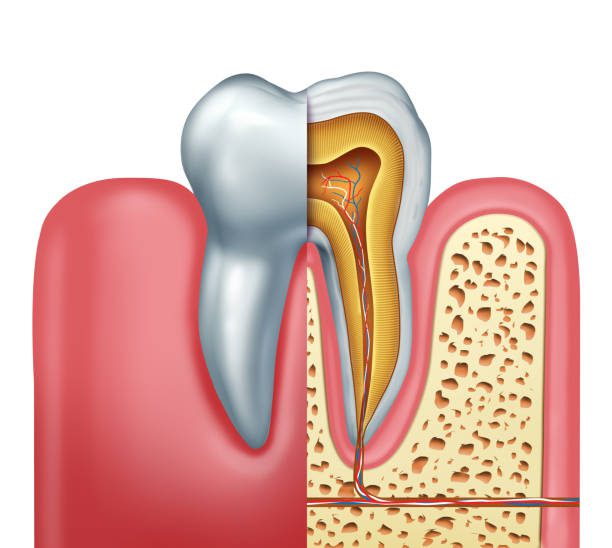
Endodontics is the branch of dentistry that focuses on the root canals of patients’ teeth. In other words, endodontists specialize in treating the inside of teeth that have become infected or damaged. Some cases, teeth can be saved with a root canal procedure. In others, the affected tooth must be extracted to avoid further infection and pain. Beyond treating diseased teeth, endodontist also provide preventative care through teeth cleaning and root filling. As with any other dental speciality, endodontists must meet certain certification and licensing requirements.
Oral Surgery Dental Specialization
Like the name suggests, oral surgeons specialize in surgery related to dental procedures. In other cases, oral surgeons may remove teeth with growths or other abnormalities that would be too risky to treat with less invasive methods. Oral surgeons often have additional training and expertise in the use of dental implants, which are an increasingly common option for replacing missing teeth. As with other specialties, oral surgeons must meet certain certification and licensing requirements before practicing.

Orthodontics Dental Specialization in India
Orthodontics is the branch of dentistry that focuses on tooth alignment and aesthetic treatments for dental health. Orthodontists provide aesthetic treatments such as braces and Invisalign, as well as functional treatments such as root canals and gum grafts. For aesthetic treatments, an orthodontist may use braces to reposition teeth and correct alignment. They may also use Invisalign to correct tooth alignment without the use of braces. For functional treatments, an orthodontist may provide root canals, gum grafts, or other procedures to treat tooth damage or disease.
Prosthodontics: from teeth to temples, it’s all in the fit
Prosthodontists specialize in the treatment of dental problems that affect the teeth and gums, as well as the surrounding bone structures. A prosthodontist may provide cosmetic or functional treatments for dental issues. These may include tooth extraction, dental implants, or gum grafts. For cosmetic treatments, a prosthodontist may provide dentures or dental crowns. For functional treatments, a prosthodontist may provide dental implants to replace missing teeth.
Conclusion
Several dental specialties offer excellent earning potential, with Oral and Maxillofacial Surgery, Orthodontics, Prosthodontics, Endodontics, and Periodontics often ranking among the highest-paying fields. However, career success depends on much more than income alone. Clinical skills, experience, patient care, and professional dedication play major roles in building a successful and rewarding dental career.
Book Your Consultation
If you would like to learn more about specialized dental treatments, dental implants, oral surgery, orthodontics, or comprehensive dental care, the team at Royal Dental Clinics is here to help. Our experienced professionals provide advanced treatment solutions tailored to your individual needs. Book your consultation today.
Frequently Asked Questions
Which is the highest-paying dental specialization?
Oral and Maxillofacial Surgery is generally considered one of the highest-paying dental specialties due to its advanced surgical scope and complexity.
Are orthodontists highly paid?
Yes. Orthodontists often enjoy strong earning potential because of the demand for braces, aligners, and bite correction treatments.
Is an MDS required for specialization?
Yes. In India, dentists typically complete an MDS program to become recognized specialists in a particular field.
Can general dentists earn more than specialists?
Yes. A successful general dentist with a large patient base and established practice may earn as much as or more than some specialists.
Which dental specialty is best for implants?
Oral and Maxillofacial Surgeons, Periodontists, and Prosthodontists are commonly involved in dental implant treatment and restoration.