
One topic that comes up frequently about dental hygiene is, “Should you use mouthwash before or after brushing?” It’s a legitimate worry, as the efficiency of various mouthwash preparations can be affected by the sequence in which you use them. We’ll examine the debate and find out if using mouthwash before or after brushing yields better results in this blog. We’ll compare and contrast the advantages of each strategy, take into account professional advice, and provide some useful advice to assist you in making an informed choice.
Prevention Is Better Than Cure | Oral Hygiene
Who is this article for?
This article is for patients who use mouthwash daily but are unsure about the correct timing, type, and purpose of using it. It is especially useful for people with bad breath, bleeding gums, cavities, braces, implants, crowns, bridges, or sensitivity who want to improve their oral hygiene routine without accidentally reducing the benefit of fluoride toothpaste. It also helps patients understand that mouthwash is supportive care and not a replacement for brushing, flossing, interdental cleaning, or regular dental check-ups.
Why Should I Use Mouthwash?
Mouthwash is an effective tool for keeping your teeth healthy. Its advantages go beyond breath refreshing; it is also essential for controlling plaque and tartar, which lowers the risk of cavities and gum disease. Many mouthwashes have antibacterial qualities that reduce inflammation and support healthier gums. Mouthwashes with fluoride also fortify enamel, offering an additional layer of defense against dental decay.
Types of Mouthwash before or after Brushing
- Alcohol and chlorhexidine, two substances found in antiseptic mouthwash, destroy bacteria and lessen the accumulation of plaque. It’s excellent for gum health and general dental care.
- Fluoride mouthwash, which fortifies enamel and guards against cavities, is especially helpful for people who are more susceptible to dental decay. While antibacterial and fluoride mouthwashes provide medicinal benefits, cosmetic mouthwashes concentrate on improving breath.
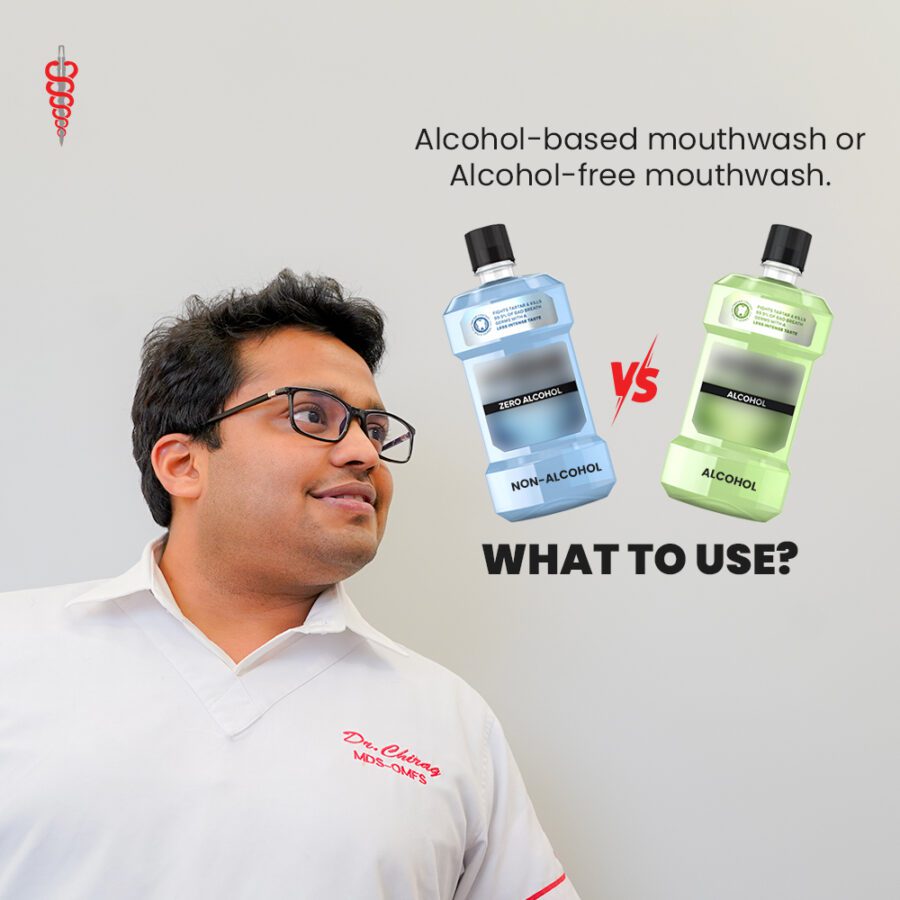
- Natural mouthwashes are a better choice for people who are allergic to alcohol-based solutions because they are made from plant substances like aloe vera or tea tree oil.
- For specific disorders like gum disease or severe plaque buildup, dentists occasionally recommend specialty mouthwashes with higher active components for focused treatment.
Why mouthwash should not replace brushing and flossing
Mouthwash can make the mouth feel fresh, reduce certain bacteria, and support gum or cavity protection depending on the formulation, but it cannot mechanically remove sticky plaque the way brushing and interdental cleaning can. Plaque forms a film on teeth and gums, so simply rinsing is not enough to clean the surfaces where cavities, gum disease, and bad breath often begin. Patients should treat mouthwash as an add-on to brushing twice daily, flossing or interdental brushing, tongue cleaning, and periodic dental cleaning rather than as a shortcut for oral hygiene.
Best time to use mouthwash during the day
For many patients, the best time to use mouthwash is separate from brushing, such as after lunch or at another convenient time during the day. This is because rinsing immediately after brushing may wash away the concentrated fluoride left behind by toothpaste, reducing its protective effect on enamel. A practical routine is to brush in the morning and at night, spit out the toothpaste without rinsing, and use mouthwash at a different time if advised or needed.
Choosing the right mouthwash for your dental problem
Not every mouthwash is meant for every patient. A fluoride mouthwash may be useful for patients prone to cavities, while antibacterial or antiseptic rinses may be advised for gum inflammation or plaque control. Chlorhexidine mouthwash, however, should generally be used only when prescribed because long-term or incorrect use can lead to staining, taste changes, or irritation. The right choice depends on whether the patient has cavities, gum disease, dry mouth, implants, braces, ulcers, or bad breath.
Can mouthwash help patients with crowns, implants, or bridges?
Patients with crowns, bridges, and dental implants often need extra care around the margins where food and plaque can collect. Mouthwash may help reduce bacterial load and improve freshness, but it cannot clean under a bridge, around implant threads, or between teeth by itself. For long-term success, patients should use interdental brushes, water flossers, floss threaders, or other cleaning aids recommended by their dentist. If there is bleeding, swelling, bad smell, pus, or food lodgement around a crown or implant, mouthwash may temporarily mask the symptom but a dental check-up is needed.
Should You Use Mouthwash Before or After Brushing?
It is up to the individual and their dental care objectives whether to use mouthwash before or after brushing. Brushing can be more successful in eliminating debris and bacteria if mouthwash is used before brushing. Moreover, it enables the mouthwash’s active chemicals to reach places that brushing alone could miss. However, using mouthwash after brushing can help wash away any leftover debris and add an additional layer of defense, particularly if the mouthwash contains fluoride or other healthy substances. As both approaches have the potential to be successful in the end, you might want to give them a try to discover which one works best for you and your oral hygiene regimen.
When to Use Mouthwash
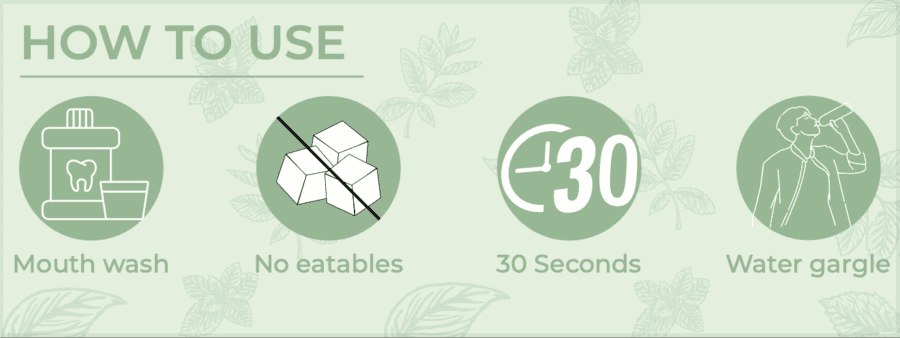
You can greatly improve your dental hygiene efforts by including mouthwash in your regular regimen. Mouthwashing first thing in the morning helps break up any bacteria that may have accumulated over the night and helps you breathe fresher. Your mouth will be extraordinarily clean after using mouthwash, which adds an additional layer of defense against bacteria and plaque. When brushing isn’t feasible right away, rinsing with mouthwash after eating helps get rid of bacteria and food particles. As part of your nightly regimen, using mouthwash helps keep your teeth healthy and lessen plaque accumulation.
The Benefits of Using Mouthwash Before Brushing
- Using mouthwash can help make it easier for your toothbrush to properly remove food particles and bacteria from your teeth and gums when you brush.
- You can increase the efficiency of your brushing session by applying mouthwash first. Mouthwash’s active components can get into places that your toothbrush would find difficult to reach.
- Antibacterial mouthwashes can aid in lowering plaque accumulation, which is a major contributor to gum disease and tooth decay.
- It can also help to refresh your breath and make you feel clean before beginning your oral hygiene regimen if you use mouthwash before brushing.
- The fluoride and other healthy chemicals in your toothpaste work better when you use mouthwash before brushing because they can reach deeper into your gums and teeth.
The Benefits of Using Mouthwash After Brushing
- After brushing, mouthwash can remove any remaining particles and toothpaste, leaving your mouth feeling completely clean.
- By eliminating germs that cause odors and remain in your mouth, mouthwash with antibacterial qualities can help freshen your breath.
- You can lower your risk of cavities and gum disease by using mouthwash as an additional layer of defense against plaque and bacteria after brushing.
- Fluoride mouthwashes are highly effective when used after brushing since they fortify enamel and guard against dental decay.
- When used after brushing, several mouthwashes are made to treat particular oral health issues, like sensitivity or gum inflammation.
Conclusion
To sum up, the question of whether mouthwash should be used before or after brushing ultimately comes down to personal preference and particular oral health requirements. To maximize mouthwash’s advantages, Dr. Chirag Chamria suggests strategically including it in your routine. Mouthwash should be used consistently with regular brushing and flossing to maintain optimal oral hygiene and a healthy smile. You can choose to use mouthwash as a pre-brushing rinse to increase the efficacy of your brushing or as a post-brushing rinse to provide freshness and protection.
FAQs
Q: Is it better to use mouthwash before or after brushing?
A person’s preferences and oral health objectives will determine the best time. For maximum freshness, some people like to rinse their mouths after brushing, while others prefer to use it before brushing.
Q: Can I use mouthwash both before and after brushing?
Yes, if you’d like, you can use it both before and after brushing. Some individuals discover that this method offers complete dental care advantages.
Q: What type of mouthwash is best for use before brushing?
To improve the brushing experience, use an antiseptic or plaque-fighting mouthwash prior to brushing to help release debris and bacteria.