If you’re like most people, your dentist probably gave you a stern warning about how unhealthy habits can lead to oral diseases. Dentists are rightfully cautious about the habits of patients because poor oral hygiene and diet choices can create ideal conditions for periodontal disease to grow. That’s why dentists recommend using a special mouthwash for gums as an adjunct to regular tooth cleaning and flossing. But which mouthwash is best for fighting gum disease? There are many brands with different active ingredients, so it’s worth taking the time to research before choosing one. Here we’ll explore the benefits of each type of mouthwash and offer recommendations based on your needs.
What is Mouthwash?
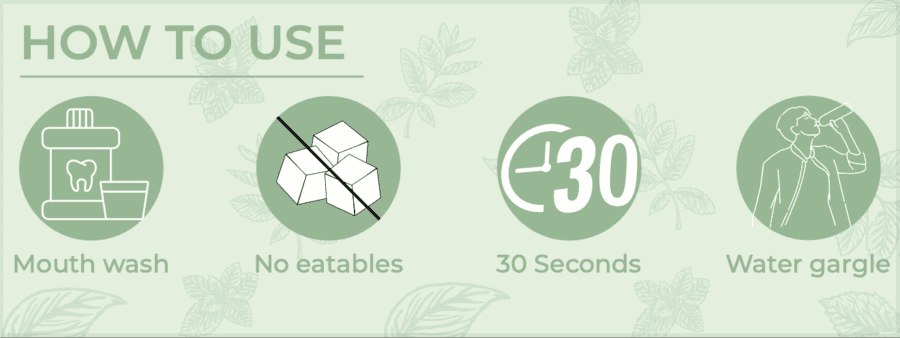
Mouthwash is ideally used after brushing teeth with a toothbrush and flossing. However, Professionals recommend using this at least twice a day, in addition to the daily brushing and flossing routine. Why use mouth rinse when you’ve already eliminated plaque and food particles with a toothbrush and floss? Because using mouthwash is one of the best ways to improve your gum health. Reduce inflammation from periodontal disease, the risk of gingivitis, prevent bad breath, reduce plaque buildup. It can also help heal gingivitis-related gum recession, strengthening teeth and prevent tooth decay.

Which Mouthwash Is Best for Gum Health?
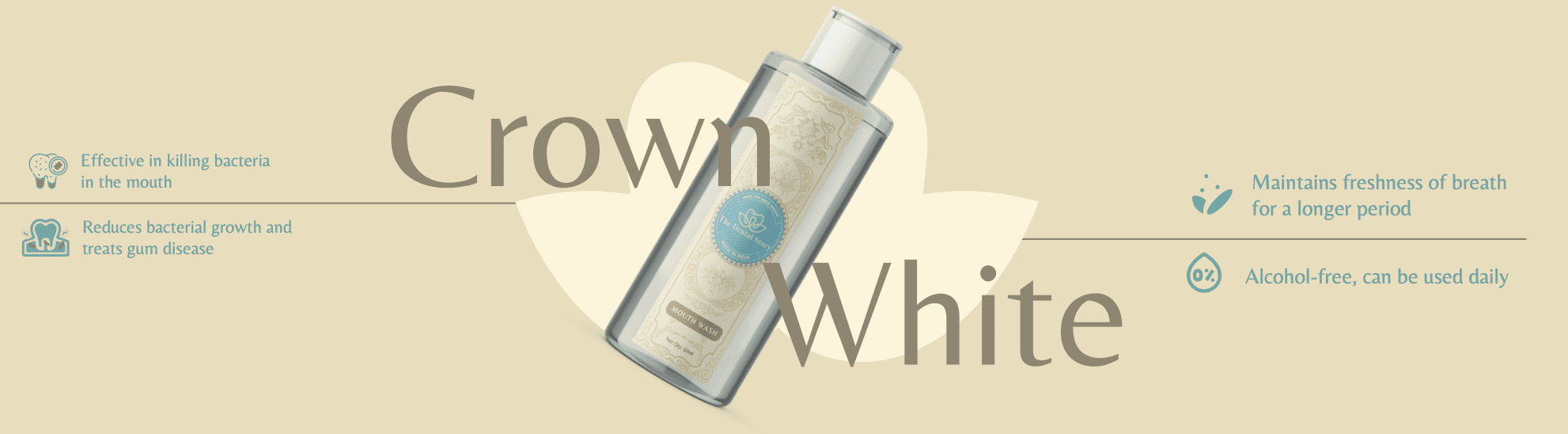
There is no single mouthwash that is best for every patient. The appropriate product depends on whether the concern is bleeding gums, plaque, gingivitis, periodontitis, dry mouth, tooth decay or bad breath. For daily gum care, an alcohol-free therapeutic mouthwash containing an evidence-based antiplaque ingredient may be suitable for some patients. Chlorhexidine may be prescribed for short-term use when stronger plaque control is required, such as after gum surgery or during the treatment of significant gingival inflammation. Mouthwash should support—not replace—brushing, interdental cleaning and professional dental treatment.
Best Mouthwash for Bleeding Gums and Gingivitis
Bleeding gums are commonly associated with plaque-induced gingivitis, although other causes are possible. A therapeutic mouthwash containing an antiplaque ingredient may help reduce plaque and gum inflammation when combined with effective brushing and interdental cleaning. Persistent bleeding should be evaluated by a dentist. Mouthwash may temporarily reduce symptoms without removing tartar or identifying periodontitis. Potential ingredients include:
- Cetylpyridinium chloride
- Essential-oil formulations
- Chlorhexidine for professionally directed, short-term use
- Fluoride when protection against tooth decay is also needed
Can Mouthwash Treat Periodontitis?
No. Periodontitis affects the gums, periodontal ligament and bone supporting the teeth. Mouthwash cannot reach deeply enough beneath the gums to remove hardened deposits or treat established periodontal pockets. Treatment may include:
- Professional cleaning
- Scaling and root planing
- Improved brushing and interdental cleaning
- Control of smoking and diabetes
- Periodontal surgery in selected cases
- Regular periodontal maintenance
Is Alcohol-Free Mouthwash Better for Gums?
Alcohol-free mouthwash may be preferable for patients who experience dry mouth, burning, sensitivity or irritation. It may also be more comfortable for frequent use. However, the absence of alcohol does not automatically make a mouthwash effective against gum disease. Its benefit depends mainly on the active therapeutic ingredients and whether they are appropriate for the patient’s condition.
Is Fluoride Mouthwash Good for Gum Disease?
Fluoride mouthwash primarily helps prevent tooth decay rather than treating gum disease. It can still be beneficial for patients who have both gum problems and a high risk of cavities, exposed tooth roots, orthodontic appliances or reduced salivary flow. Patients with gum disease do not generally need to avoid fluoride. The product should be selected according to both gum health and cavity risk.
Are Herbal Mouthwashes Effective for Gums?
Some herbal mouthwashes may temporarily improve freshness or reduce plaque, but effectiveness varies considerably between formulations. “Natural” does not necessarily mean more effective, safer or suitable for treating gum disease. Patients should check the active ingredients and avoid relying on herbal rinses to treat bleeding, gum recession, tooth mobility or periodontal infection.
When Should You See a Dentist for Gum Problems?
- Bleeding during brushing or flossing
- Persistent redness or swelling
- Gum recession
- Bad breath that does not improve
- Pus around the gums
- Loose or shifting teeth
- Pain while chewing
- Spaces developing between teeth
- A change in the fit of dentures
- Symptoms continuing despite improved oral hygiene
Benefits of using Mouthwash for Periodontal Disease
It has been shown to reduce gingivitis and inflammation, two of the most common symptoms of periodontal disease. It can also help lower your risk of other oral diseases, like cavities and gum disease.
Gingivitis: It can prevent and treat gingivitis, a common bacterial infection of the gums that often precedes periodontal disease.
Periodontal Disease: It can also be used to treat periodontal disease, which is an infection and chronic condition that can lead to tooth loss in extreme cases. Periodontal disease is caused by plaque buildup on the teeth that are not removed through regular brushing and flossing.
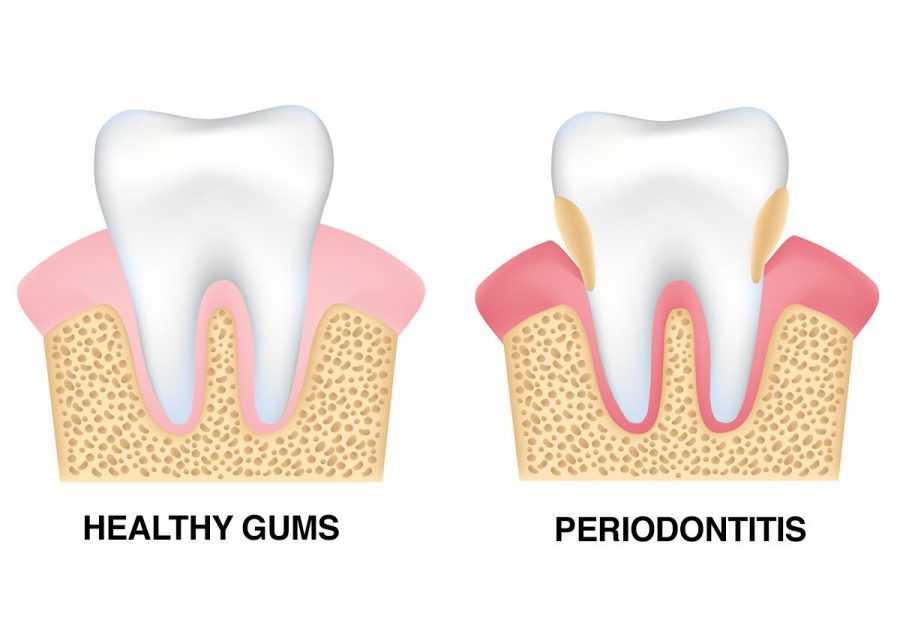
Best mouthwash for fighting Periodontal Disease
ACT Anticavity Fluoride: This mouthwash is safe for people with gum disease and can help prevent tooth decay. It also contains fluoride to prevent cavities, making it the best mouthwash for fighting gum disease and tooth decay.
Herbal Antiseptic: This mouthwash is especially useful for people with gum disease who want to avoid alcohol. It can help relieve inflammation and soothe gums.
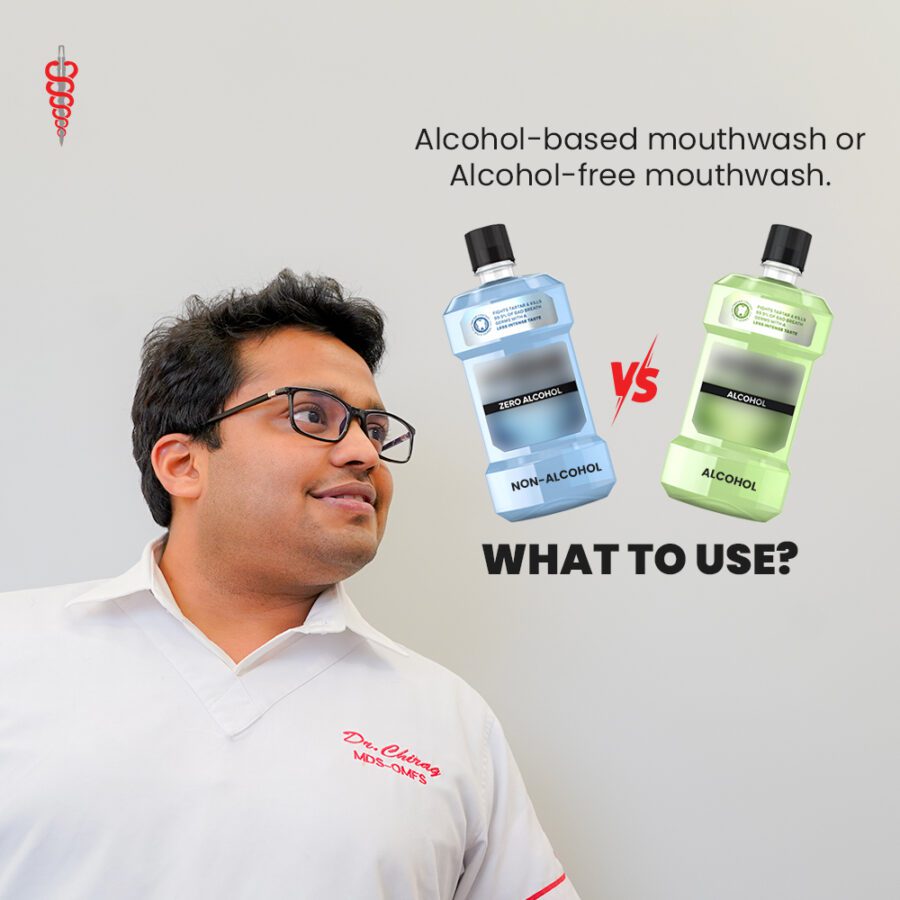
Herbal: This mouthwash is great for people with periodontal disease who want to avoid alcohol and fluoride. It can soothe and heal the gums.
Natural: This mouthwash is alcohol-free and fluoride-free, making it ideal for people with periodontal disease. It can help prevent bad breath and heal the gums.
Antiplaque: This mouthwash is alcohol-free and can help prevent plaque buildup and strengthen teeth. It’s also ideal for people with periodontal disease, who benefit from its antiplaque properties.
Safest Mouthwash for Periodontal Disease
If you’re trying to select the safest mouthwash for periodontal disease, you should avoid mouthwash that contains alcohol. Alcohol can be harmful to people with gum disease and can lead to dry mouth and tooth decay.
Alcohol-free: If you have periodontal disease and want to avoid alcohol, this mouthwash is ideal. It can help prevent plaque buildup and soothe the gums, making it the safest mouthwash for fighting periodontal disease.
Herbal: This mouthwash is safe for people with periodontal disease since it does not contain alcohol. It can help heal the gums and prevent bad breath.
Natural: This mouthwash is safe for people with gum disease and does not contain alcohol. It can help relieve inflammation and heal the gums.
Anti-plaque: This mouthwash is safe for people with gum disease and does not contain alcohol. It can help prevent plaque buildup and strengthen teeth.
Other options for fighting periodontal disease
If you have periodontal disease and cannot use certain active ingredients in mouthwash, there are other ways to fight the disease. While mouthwash can be extremely useful in preventing and treating gums disease, you should not neglect daily brushing and flossing.
Rinsing with salt water: A mixture of salt and warm water can be used to rinse the mouth after brushing and flossing. It can help prevent gum disease and tooth decay.
Using an electric toothbrush: An electric toothbrush can be used in conjunction with dental floss to thoroughly clean the teeth. Electric toothbrushes can be more effective at removing plaque than a manual toothbrushes.
Frequently Asked Questions
Can mouthwash cure bleeding gums?
Mouthwash may help reduce plaque-related inflammation, but it does not cure every cause of bleeding gums. Professional cleaning and improved plaque control may be required.
Can I use chlorhexidine mouthwash every day?
Chlorhexidine is generally recommended for limited periods under dental guidance. Long-term use can cause staining, altered taste and other side effects.
Should I use mouthwash before or after brushing?
A non-fluoride mouthwash used immediately after brushing may wash away fluoride from toothpaste. It may be preferable to use it at another time, unless your dentist or product instructions advise differently.
Can mouthwash remove tartar?
No. Mouthwash may help reduce plaque formation, but it cannot remove hardened tartar. Tartar requires professional dental cleaning.
Can mouthwash reverse gum recession?
No. Mouthwash cannot regrow receded gums. It may help control inflammation, but recession requires assessment of its cause and severity.
Is salt-water rinsing better than mouthwash?
Warm salt water may temporarily soothe irritated tissues and is sometimes advised after dental procedures. It does not replace therapeutic mouthwash, brushing, interdental cleaning or periodontal treatment.
Can mouthwash replace flossing or interdental brushes?
No. Mouthwash cannot reliably remove plaque and food deposits from between teeth. Interdental cleaning remains important.
Which mouthwash is suitable for dry mouth?
An alcohol-free formulation designed for dry mouth is generally more comfortable. Patients with persistent dry mouth should also be assessed because medications, medical conditions and reduced salivary function may be responsible.
Can children use adult mouthwash?
Young children should not use mouthwash unless advised by a dentist because they may swallow it. Product age restrictions and professional instructions should be followed.
Conclusion
This is a great way to improve your oral health and can be especially helpful for people with periodontal disease. When selecting a mouthwash, you should consider the active ingredients in each product. If you have periodontal disease, you should avoid mouth rinse that contains alcohol and fluoride. Instead, you should select a mouthwash that is alcohol-free and fluoride-free. No matter which mouthwash you choose, it’s important to use it consistently. Brushing and flossing only once or twice a week won’t be enough to prevent gum disease and tooth decay.