
Are your kids brushing in the right way? Are they using the right toothbrush? Is brushing helping your kid’s oral hygiene maintenance? Teeth are considered as one of the most important aspects in aesthetic, chewing and speech. Teeth complete the look on ones face. Healthier and stronger teeth add more value to your overall health and appearance. To teach kids how to brush is very important for maintaining long term oral health. The art of brushing your teeth daily in the morning and at night leads to good oral health. This helps to keep an individual with a good personality. A graceful smile will give happier cavities at bay. Cleaning your teeth daily can benefit you in many ways.

Who is this article for?
This article is for parents and caregivers who want to teach children how to brush their teeth in a fun, simple, and consistent way. It is especially helpful for parents whose children avoid brushing, brush too quickly, use too much toothpaste, dislike the taste of toothpaste, or do not understand why oral hygiene is important. The article also helps families understand why milk teeth need care, how brushing habits should start early, and how parents can make daily brushing feel less like a task and more like a healthy routine.
Importance of Milk Teeth
There is a misconception among parents that taking care of milk teeth is not necessary. Milk teeth play a major role in child’s health. Maintaining oral hygiene of milk teeth is of utmost importance for child’s physical, emotional and social development. Parents play an important role in educating their children about maintaining good oral health. This habit should be inculcated to the children not by force but by making them understand its importance and adapting fun ways to encourage them.
Need help with your child’s brushing habits or cavities? Book a paediatric dental consultation at Royal Dental Clinics.
Explore Fun Ways: To Teach Kids How to Brush
- Be a good role model: Children follow their parent’s footsteps and try to mimic their behavior. If you as a parent brush your teeth twice and perform the oral hygiene protocols that you advice your children, then they will follow your lead.
- Let the child choose their tools and colours.
- You simply follow the basic technique of whichever method you choose, but after brushing an area, you roll or sweep the bristles toward the chewing surfaces. This action sweeps out debris stuck between the teeth and cleans the entire tooth surface.
- Brushing should be performed twice a day irrespective of age.
- A toothbrush should be changed every 3-4 months for efficient plaque control and maintaining oral hygiene.
- Don’t forget the fluoride toothpaste, which strengthens tooth enamel and prevents tooth decay.
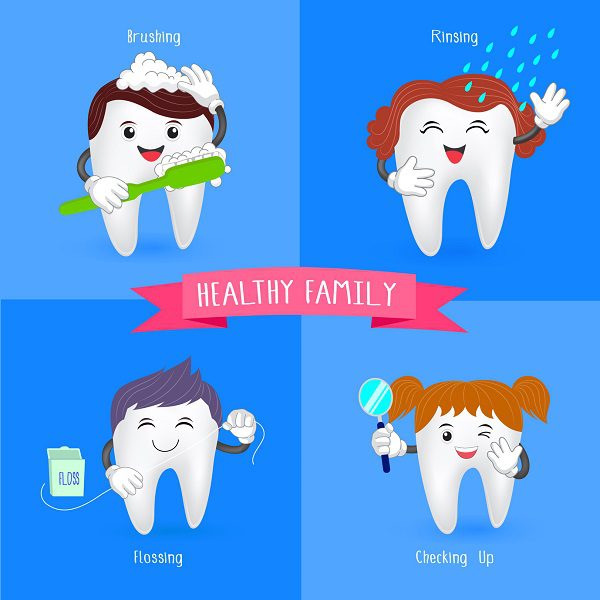
- And floss at least once a day to clean where your toothbrush doesn’t reach.
Make brushing age-specific
Children need different brushing support at different ages. A toddler, a preschool child, and an older child cannot be expected to brush in the same way. Parents should choose the right toothbrush, use the correct amount of toothpaste, and supervise brushing according to the child’s age and ability.
0–3 years: Parent-led brushing
For babies and toddlers, parents should begin cleaning the mouth even before all teeth come in. Once the first tooth appears, use a soft, age-appropriate toothbrush and a very small smear of fluoride toothpaste, about the size of a grain of rice. At this age, the parent should do the brushing because the child does not yet have the hand control to clean properly. Keep the routine gentle, short, and positive so the child does not develop fear or resistance.
3–6 years: Supervised brushing
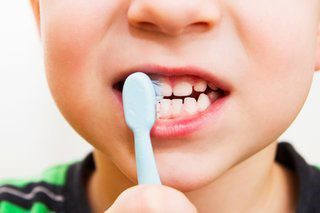
Between 3 and 6 years, children usually want to brush on their own, but they still need close supervision. Use a pea-sized amount of fluoride toothpaste and teach the child to spit it out instead of swallowing. Parents should either brush for the child or re-brush after the child has tried. Songs, reward charts, colourful toothbrushes, and brushing together can make this age group more cooperative.
6 years and above: Building independence
After 6 years, children can gradually become more independent, but parents should still check whether they are brushing all areas properly, especially the back teeth. This is also the age when permanent teeth start erupting, so proper brushing becomes even more important. Encourage brushing twice daily, especially before bedtime, and introduce flossing or interdental cleaning if advised by the dentist. Regular dental visits help ensure the child is brushing correctly and that early cavities or gum issues are detected in time.
Teenagers: Consistency and correction
Teenagers may know how to brush, but they may become careless because of school schedules, snacking, braces, sports, or late-night routines. At this stage, parents should focus on consistency rather than control. Remind them about brushing twice daily, cleaning around braces or aligners if present, avoiding frequent sugary snacks, and visiting the dentist regularly. A teenager should understand that oral hygiene affects not only teeth, but also breath, smile confidence, and long-term dental health.
Conclusion
Teaching kids how to brush is not only about cleaning teeth; it is about building a lifelong oral hygiene habit. Children may avoid brushing because they find it boring, uncomfortable, or difficult to understand, but parents can make the routine easier by brushing with them, using fun tools, playing music, encouraging them gently, and keeping the process consistent.
Milk teeth are important for chewing, speech, smile development, and maintaining space for permanent teeth. Regular brushing, the right amount of fluoride toothpaste, healthy eating habits, and routine dental visits can help protect a child’s teeth from cavities and gum problems. If your child refuses to brush, has frequent cavities, bad breath, tooth pain, or bleeding gums, schedule a dental consultation for proper guidance.
FAQs on Teach Kids How to Brush
1. At what age should children start brushing their teeth?
Brushing should begin as soon as the first milk tooth appears. For babies, parents can clean the gums and early teeth with a soft cloth or an age-appropriate soft toothbrush. As more teeth erupt, brushing should become part of the child’s daily routine. Young children need help because they usually do not have the hand control to clean all tooth surfaces properly on their own.
2. How can I make brushing fun for my child?
You can make brushing fun by brushing together, playing a two-minute song, using a colourful toothbrush, allowing the child to choose their brush, using a reward chart, or turning brushing into a small story or game. Children often copy their parents, so brushing with them is one of the best ways to build the habit. The goal is to make brushing feel positive and consistent, not forced or stressful.
3. How much toothpaste should children use?
The amount of toothpaste depends on the child’s age. For very young children, only a tiny smear of fluoride toothpaste is usually advised. For children around 3 to 6 years, a pea-sized amount is commonly recommended. Parents should supervise brushing, make sure the child spits out the toothpaste, and avoid letting the child swallow it. Your dentist can guide you based on your child’s age and cavity risk.
4. How many times a day should kids brush?
Children should brush twice a day, usually once in the morning and once before sleeping. Night brushing is especially important because food particles and plaque left on the teeth overnight can increase the risk of cavities. Parents should help or supervise until the child can brush properly.
5. When should a child visit the dentist?
A child should visit the dentist early, ideally when the first teeth erupt or as advised by a pediatric dentist. Regular dental check-ups help detect cavities, gum issues, brushing mistakes, thumb-sucking effects, tooth alignment concerns, and dietary habits before they become bigger problems.
Disclaimer
This article is for patient education. Please consult a dentist for personalised advice based on your child’s age, teeth, diet, and cavity risk.
© All rights reserved by Royal Dental Implants Pvt Ltd. Issued in public interest