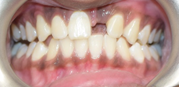
Dental implants are a great option for replacing missing teeth. They’re durable, strong, and can last a lifetime with the right care. But what if you only need to replace one tooth? Is there an alternative to getting a dental bridge or partial denture? If you are missing one tooth, you may wonder if it’s possible to get an implant instead of a traditional replacement option like a bridge or denture. In some cases, getting a single missing tooth implant with SAPTeeth is the best option. Here is what you need to know about getting a single tooth implant.
Who is This Article For?
This article is for patients who have lost one tooth and want to know whether a single dental implant is better than a bridge or partial denture. This blog helps patients understand when a single tooth implant may be suitable, why jawbone support is important, how SAPTeeth can be used with implants, and why alternatives like dental bridges or partial dentures may be advised in some cases after clinical evaluation.
What is a Dental Implant?
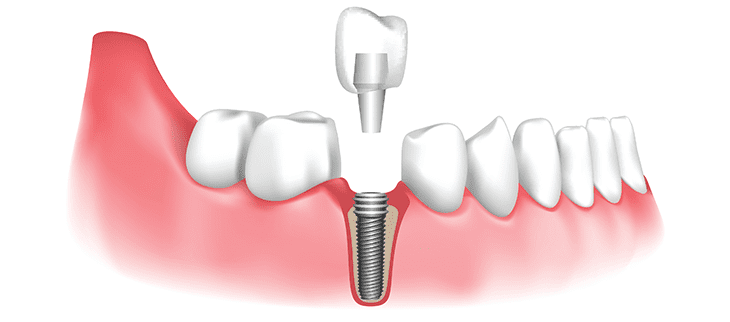
It is a piece of metal that is surgically placed under your gums. The metal will fuse with your bone and become one with your mouth over time. Once fused, the metal acts as a root for a new tooth. An implant can be placed in your upper or lower jaw. It can be used to replace a single missing tooth or a full bridge. It will last a lifetime if properly cared for. It’s important to note that not all types of missing teeth can be replaced with implants. Dental implants can only be placed in teeth that have solid bone surrounding them. This means that implants are typically not an option for people who lost their teeth due to tooth decay or gum disease.
When is a Single Missing Tooth Implant the best option?
Implant dentistry – Getting an implant is the best option when you have enough bone surrounding the missing tooth to support the implant. They are typically successful when you have enough bone to support the implant. This means that if you lost your tooth due to gum disease or decay, a dental implant is not an option for you. In this case, a bridge or partial denture is a better option for replacing the tooth.
The implant will fuse with the bone, but the surrounding gum will die and have to be removed. Once the implant is in place, it’s important to take care of it. You will need to make sure to brush and floss around the implant. Additionally, you will need to see your dentist regularly to make sure your implant is healthy. Get SAPTeeth with dental implant.
Is there an alternate to single missing tooth implant?
If the bone surrounding the missing tooth is too thin to support an implant, then you may be better off getting a dental bridge. A dental bridge is made up of SAPTeeth crowns on surrounding teeth and an implant on one end with a false tooth on the other end. This option is more expensive than a single tooth implant. But you will need to replace the dental bridge every 10 to 15 years as you age.
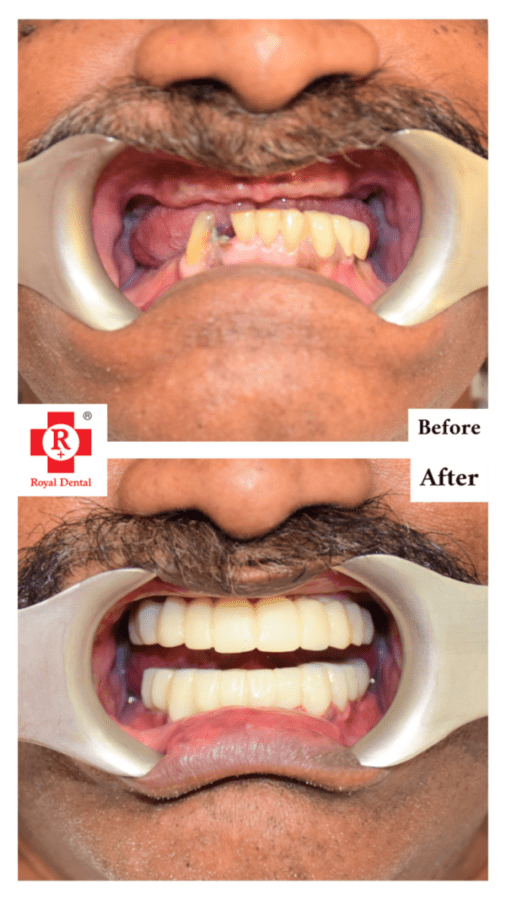
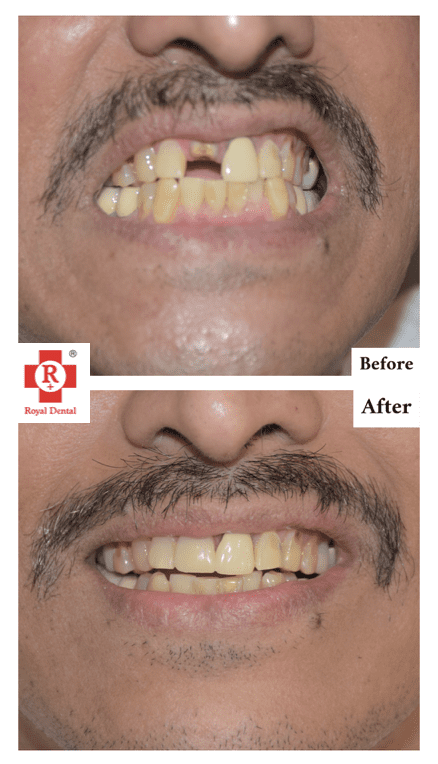
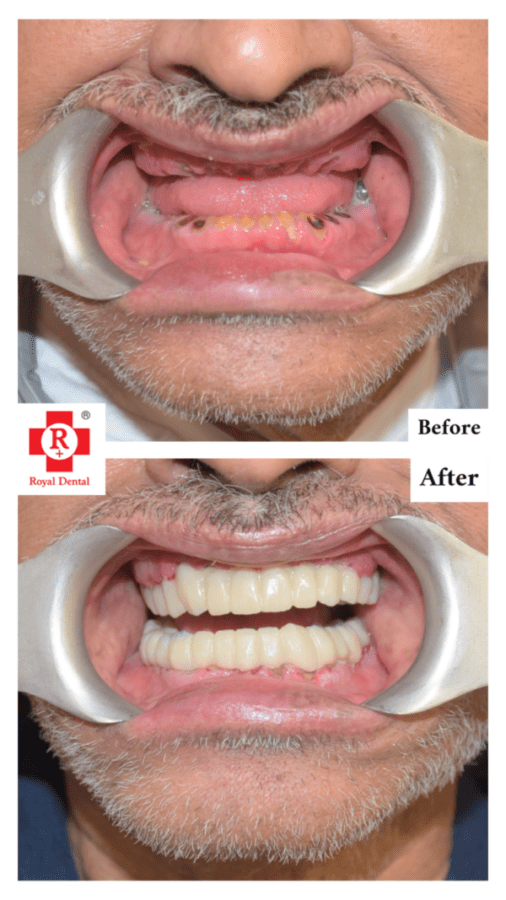
On the other hand, a dental implant with SAPTeeth can last a lifetime if taken care of properly. If you have a false tooth, a partial denture may be a better option than a dental bridge. A partial denture uses a false tooth to replace one or more teeth. A partial denture is less expensive than getting a dental bridge but needs to be replaced every five to 10 years.
How to care for a missing tooth implant?
Brush and floss regularly: Dental implants are a great option for people who are conscious about their oral health. Getting a single tooth implant means that you only need to focus on one tooth. If you get a dental implant, you need to make sure you brush and floss regularly around the implant. This will help maintain the health of the implant and prevent it from breaking down prematurely.
Visit your dentist regularly: You also need to visit the dentist regularly to ensure that the implant is healthy. Your dentist will check the condition of the implant and surrounding teeth. They will also make sure you are brushing and flossing correctly around the implant.
FAQs
1. What is a single missing tooth implant?
A single missing tooth implant is a fixed tooth replacement option used when one tooth is missing. The implant acts like an artificial tooth root placed in the jawbone, and a crown such as SAPTeeth can be fixed over it to restore chewing, speech, and smile appearance.
2. Who is the right candidate for a single tooth implant?
A patient with one missing tooth may be suitable for a single tooth implant if there is enough healthy jawbone and gum support around the missing tooth area. A dentist must check the bone, gums, bite, medical history, and X-rays or scans before planning treatment.
3. Is a single tooth implant better than a dental bridge?
A single tooth implant may be a good option when the missing tooth area has enough bone support and the nearby teeth are healthy. A dental bridge may be advised in some cases when bone support is not enough or when the dentist feels it is more suitable for the patient’s condition.
4. Can SAPTeeth be used with a single tooth implant?
Yes, SAPTeeth can be used as the visible tooth replacement over a dental implant in suitable cases. The implant supports the restoration, while SAPTeeth helps restore the appearance and function of the missing tooth.
5. How do I care for a single tooth implant?
A single tooth implant needs proper brushing, flossing, and regular dental check-ups. Even though the implant and crown are artificial, the surrounding gums, bone, and nearby teeth still need daily care to prevent infection or gum problems.
6. How do I know if a single tooth implant is right for me?
The right option can only be decided after a dental consultation. At Royal Dental Clinics, the dentist checks the missing tooth area, bone support, gum health, bite condition, and overall oral health before suggesting whether an implant, bridge, or partial denture is suitable.