
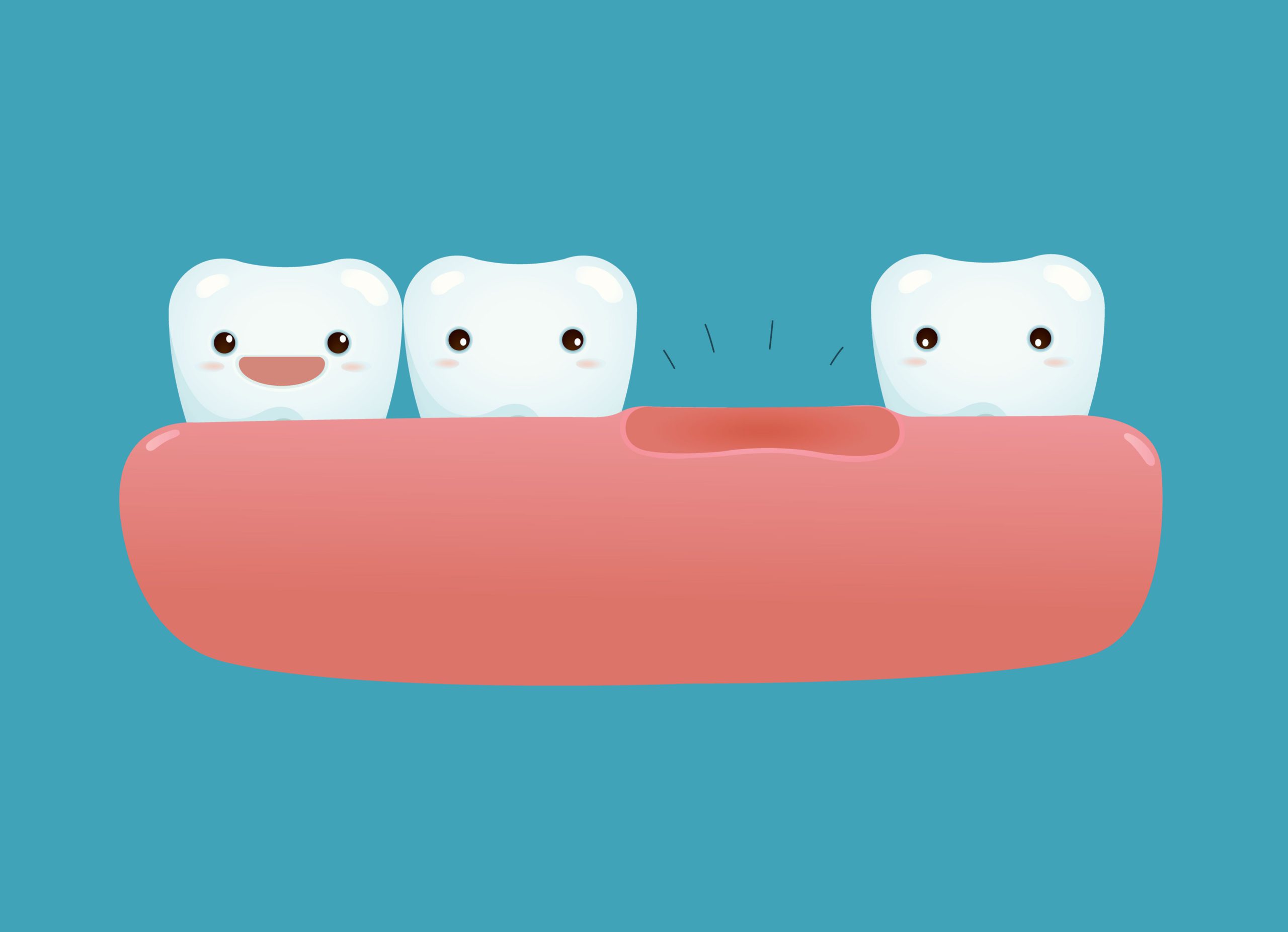
When it comes to oral surgery, you might be wondering: which is worse? Dental extraction or implant? Both are procedures that involve major changes in your mouth, and both can be done to fix specific problems. So which one is worse? Neither! Both dental extraction and dental implants have their own benefits. Which one is best for you will depend on your personal situation!
Who Is This Blog For?
This blog on tooth extraction or dental implant decisions is for anyone facing a damaged, infected, or loose tooth and unsure which treatment path to take. It is especially useful for patients dealing with broken teeth, gum disease, or nerve damage who have been told extraction may be necessary, as well as those exploring implants as a long term replacement option. It is also relevant for cost-conscious patients trying to weigh the price difference between extraction and implants, along with anyone wanting to understand the recovery process and timeline for each procedure before making a decision. Ultimately, it is for patients who want to make an informed, confident choice with their dentist rather than defaulting to the cheaper or faster option.
Dental Extraction
It is a common procedure that removes teeth when they are too damaged to be saved. There are several reasons why your dentist might suggest dental extraction:
- Broken teeth: Broken teeth are the most common reason for dental extraction, especially if the break is in the root area of the tooth.
- Damaged nerves: If a tooth becomes infected and damages a nearby nerve, you might need the tooth extracted to prevent further damage.
- Crowding: If teeth are misaligned, they can end up being too close together, causing irritation and damage to gums.
- Gum disease: Teeth that are infected or have abscesses might need to be removed as part of treatment.

Dental Implants
They are small fixtures that are placed into the bone of your jaw to act as teeth roots. They are often used as an alternative to dentures, which don’t give the same level of support or comfort as real teeth. Implants can be used to replace one tooth or an entire row of teeth. There are many reasons why your dentist might recommend dental implants:
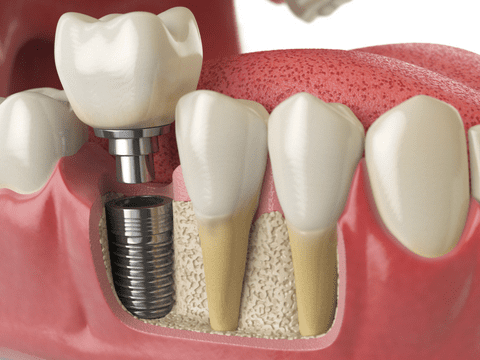
- Broken teeth or roots: If one or more of your teeth are broken or have been removed, a dental implant can help to stabilize the area in which the tooth was located.
- Missing teeth: If you’re missing some or all of your teeth, dental implants are a great way to replace them.
- Gum disease: If your gums are very weak or infected, dental implants might be a better choice than dentures.
- Overall health: Dental implants are a good option for people who are generally in good health, but need help with their oral health.
Extraction vs implant: How to Save the Tooth?
Dental extraction and dental implants are both procedures that are designed to heal specific dental problems. Dental extraction is a good option if your tooth is broken and cannot be repaired. If you have gum disease and want to avoid losing your teeth, dental implants might be a better option. Dental implants also work well for people who need to replace a single tooth or multiple teeth. If you’re missing teeth and want to be able to eat foods that you can bite into, dental implants are a good choice.
Dental extraction procedure
The first step in dental extraction is numbing the area with a topical anesthetic. Once the area is numb, the dentist will use dental instruments to gently remove the tooth. The dentist will first break the tooth into pieces, then gently pry it out. As with any surgery, the extraction procedure is bound to be painful. But the dentist can make it as painless as possible by using a numbing agent. To prevent bleeding, the dentist may apply pressure to the extraction site. Dental extraction is usually done on the upper teeth. The dentist will put a rubber dam in your mouth to protect your lower teeth and gums.
Dental Implant Procedure
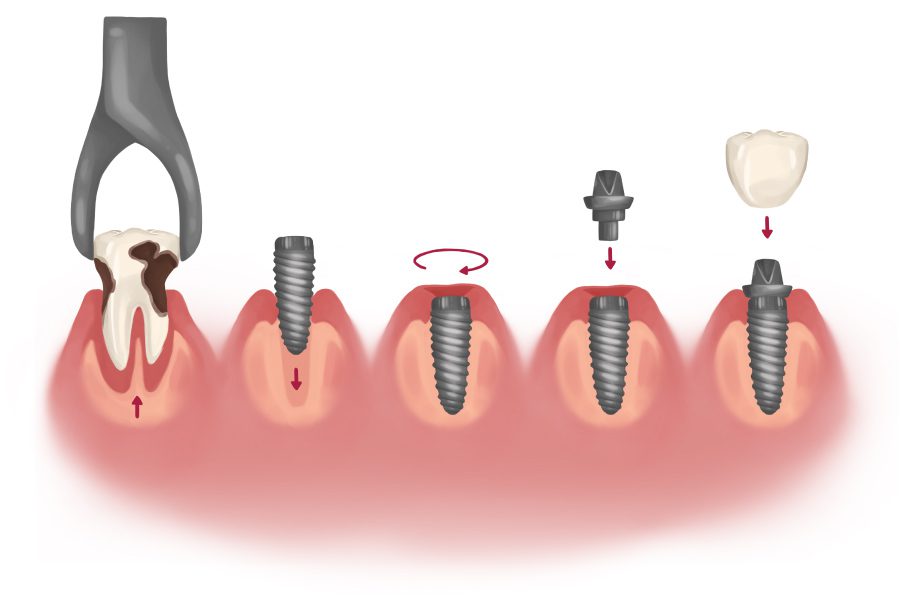
The same-day dental implant procedure begins with a clinical examination and X-rays or a CBCT scan. The dentist assesses the available bone, gum condition, bite and medical history to determine whether the implant can achieve adequate primary stability. Reduced bone does not automatically rule out treatment, but the implant must obtain secure anchorage in suitable bone.
During the procedure, the implant site is prepared precisely and the dental implant is placed into the jawbone. In selected patients, the implant achieves sufficient stability to support a temporary crown, bridge or fixed teeth on the same day. Immediate loading depends on factors such as bone quality, implant stability, bite forces and the number and position of implants.
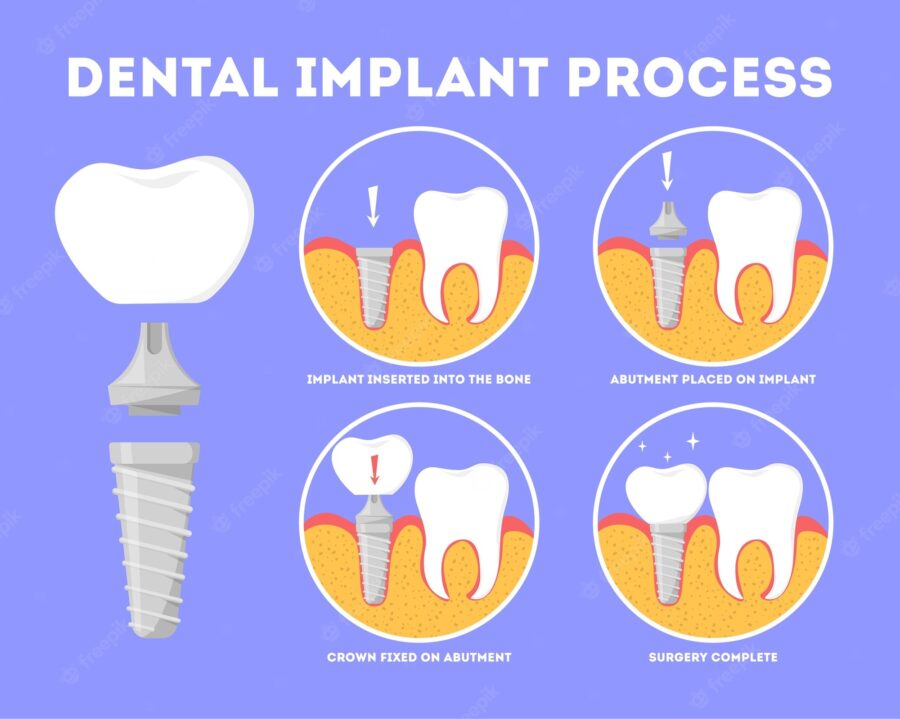
The implant continues to integrate with the jawbone underneath the temporary teeth during the following weeks and months. The patient must follow the recommended diet and hygiene instructions to avoid excessive pressure during healing. After the tissues and implants have stabilised, the temporary teeth may be adjusted or replaced with the definitive prosthesis. Same-day fixed teeth are therefore possible in suitable cases, but they may initially be provisional rather than the final long-term restoration.
Which is worse? Dental extraction or implant?
Both procedures are designed to heal specific dental issues. As such, both can be equally as bad, depending on the situation. If you’re having a tooth extraction, you’ll most likely experience pain and swelling. But because dental implants are a surgical procedure, they can also result in significant swelling. Both procedures can also cause temporary tooth loss. If you have a dental implant, you’ll need to wait several months before your dentist can place a tooth into the implant. During this time, you’ll need to wear a dental appliance or have a soft-bite diet.
How to choose between extraction and implant?
Before you decide which procedure is best for you, you’ll want to know everything about each procedure, including the associated costs and risks.
- Dental extraction: This procedure can cost between $300 and $1,000, depending on the dentist and your location. You’ll need to pay extra if you need a general anesthetic.
- Dental implant: This procedure costs between $5,000 and $7,000 on average, but can vary widely depending on the dentist. You can expect to pay an additional $3,000 to $4,000 if you need a bone graft. The implant procedure is more expensive because it requires more time. You’ll need to take these factors into account when deciding which procedure is best for you.
Conclusion
While it may be much cheaper to pull a tooth than it will be to repair the tooth, the reality is that the ultimate replacement of the tooth will cost more and take much longer to deal with. You may need to spend more time in the dental office and more time getting prepped for your replacement choice.