Rinsing With Salt Water and Gum Disease is a commonly used home-care method for soothing irritated tissues in the mouth. A warm salt water rinse may help cleanse the mouth and provide temporary comfort, but it should not be considered a replacement for professional treatment when gum disease is present. Good oral hygiene, including brushing twice daily and cleaning between the teeth, remains essential for preventing and managing gum problems.
The practice of rinsing with salt water as a way to treat gum disease dates back centuries. Both the practice and the belief that it works have survived into modern times. People continue to believe that rinsing with salt water helps fight gum disease, also known as periodontal disease. Does it really work? How does it help? Read on for the facts about rinsing with salt water for gum disease and its effectiveness in improving your oral health.
Who Is This Article For?
- People with irritated or sensitive gums
- Individuals experiencing gum inflammation
- Patients looking for simple oral care methods
- People interested in salt water rinses
- Anyone wanting to improve their gum health
What is salt water rinsing for Gum Disease?
Salt water rinsing is the practice of swishing your mouth out with a mixture of salt water. The salt water cleans the teeth and gums, and the flow of water helps to flush bacteria from the gum pockets near the teeth. You can either make your own salt water solution or purchase a premade salt water rinse. People often use a mixture of one teaspoon of salt with eight ounces of water. You don’t want to add too much salt or the solution will be too harsh on your gums. You can add other ingredients to the salt water rinse, such as baking soda, hydrogen peroxide, or tea tree oil.

Is salt water rinsing effective for Gum Disease?
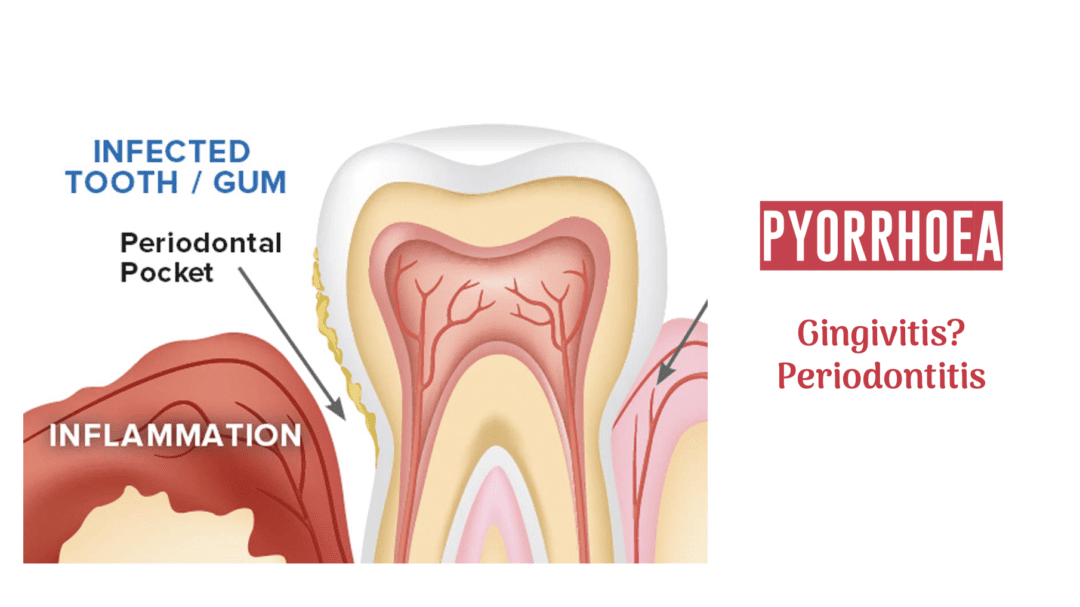
Salt water rinsing is effective for keeping your gums healthy, though it won’t cure gum disease. Gum disease is a bacterial infection that causes your gums to pull away from your teeth. This leaves the root of your teeth exposed, which makes them more likely to be infected.

Saltwater rinsing helps keep bacteria away from your teeth and gums. Salt water rinsing will improve your oral hygiene. It is an easy-to-do daily practice that will help you keep your gums clean and healthy. It will especially benefit people who don’t floss regularly since it can get in between teeth and clean areas that flossing can’t reach.
How does salt water help cure Gum Disease?
Salt water rinsing doesn’t cure gum disease. The salt water solution is a mild abrasive that helps to scrub away plaque, food debris, and other harmful substances from your teeth and gums. The flow of water from the rinse will wash away the salt, so it doesn’t cause any harm to your gums.
Salt water rinsing helps prevent plaque buildup, which is the first step towards gum disease. It can also help treat gingivitis, an early form of gum issues. Those who suffer from chronic gum disease may require a more extreme oral health care routine.
What about brushing with Salt Water?
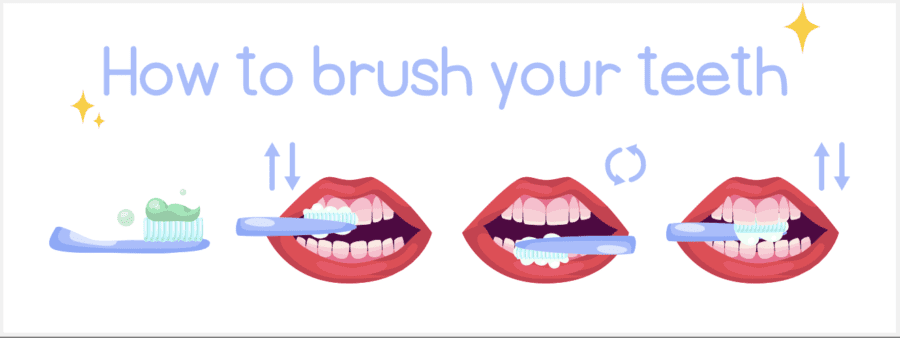
Brushing with salt water is another way to boost your oral hygiene and reduce gum disease. It’s a good idea to brush with salt water after eating a meal, especially if you had something particularly messy.
Right brushing with salt water can help remove plaque and food particles from your teeth before they have a chance to cause damage.
Brushing with salt water will also help you rinse out your mouth and remove bacteria-causing substances from your gums and teeth. This is particularly helpful for people who don’t floss regularly since brushing with salt water can reach the areas where flossing can’t go.
Is there an alternative to Salt Water?
Yes. There are several other substances that you can use to rinse your mouth and clean your teeth and gums. You can use baking soda or hydrogen peroxide, both of which are effective cleaning agents that won’t cause harm to your gums. Tea tree oil is another option that can help fight gum disease and promote good oral hygiene.
If you have diabetes or high blood sugar, however, you should consult your doctor before using any abrasive agents to clean your teeth. Brushing with baking soda or hydrogen peroxide might be too harsh for those with high blood sugar, and tea tree oil might raise blood sugar levels.
Conclusion
A warm salt water rinse can be a simple way to soothe irritated gums and support basic oral care. However, it cannot remove tartar or cure established gum disease. Brushing, cleaning between the teeth, professional dental cleaning, and appropriate periodontal treatment are more important for maintaining healthy gums. If gum bleeding, swelling, pain, or other symptoms continue, it is better to have the condition checked by a dentist rather than relying only on home remedies.
Frequently Asked Questions
Can rinsing with salt water help gum disease?
It may provide temporary relief from irritated gums, but it does not cure periodontal disease or remove tartar. Professional treatment may be necessary for established gum disease.
How do you make a salt water rinse for gums?
Mix approximately half a teaspoon of salt into a glass of warm water, rinse it gently around your mouth, and spit it out without swallowing.
Can salt water cure periodontitis?
No. Periodontitis requires professional assessment and treatment. Salt water rinsing can only be considered an additional home-care measure.
Is salt water better than mouthwash for gum disease?
Not necessarily. Different mouthrinses have different active ingredients and clinical purposes. Your dentist can recommend an appropriate rinse based on your oral health needs.
Should I see a dentist if my gums keep bleeding?
Yes. Persistent gum bleeding can be a sign of gum disease and should be evaluated by a dentist rather than managed only with home rinses.