

Before beginning dental treatment, patients should understand more than the name and price of the procedure. A proper consultation should explain the diagnosis, why treatment is required, available alternatives, expected benefits, relevant risks, treatment stages and likely outcome if no treatment is undertaken. Informed consent is not merely signing a form. It involves a discussion between the dentist and patient in which the patient has an opportunity to understand the proposed treatment and ask questions before deciding.
While searching for a ‘Dentist near me’, a patient must also understand the safety measures followed and the treatment options available. The best of dentists in Mumbai want their patients to feel an experience. But when they walk into the consultation door at Royal Dental Clinics, they should want to change their smile.
Who is this Article for?
This article is for patients who have been advised a filling, root-canal treatment, crown, extraction, dental implant, bridge, aligner treatment, smile makeover or full-mouth rehabilitation. It is particularly useful for patients who have received a complex treatment plan, are considering a second opinion or feel uncertain about cost, materials, risks, number of visits or long-term maintenance.
What Is My Exact Diagnosis?
Ask the dentist to name and explain the condition rather than only naming the treatment. For example, instead of accepting that a tooth “needs a crown,” ask whether the tooth has decay, a fracture, previous root-canal treatment, loss of tooth structure or excessive wear. The patient may ask:
- Which tooth or area is affected?
- How severe is the condition?
- What caused it?
- Is the problem active or stable?
- Can I see it on the X-ray, scan or photograph?

Is the Treatment Urgent?
- An emergency
- Urgent but not immediately dangerous
- Elective
- Cosmetic
- Suitable for monitoring
What Happens if I Do Not Have the Treatment?
This is one of the most important questions currently missing from the page. The answer may range from simple monitoring to progressive deterioration. Patients should understand the likely consequences of:
- Delaying treatment
- Choosing temporary treatment
- Declining treatment
- Treating only the symptoms
- Leaving the condition untreated
A meaningful informed-consent discussion includes alternatives and the potential consequences of no treatment.
Dental Practice in Mumbai
One of the best dental practice is to provide your patients with a custom-made Dental plan with the treatment options available. Here are few things you should be asking your dentist as per the best dentist in Mumbai. Like Dr. Chirag Chamria mentions, “It is not important to just give patients results but also understand their personality and make sure the smile makeover suits their personality.”
At what stage is my Dental Health?
This important question is skipped by many patients and they wait for their dentist to suggest a treatment plan which is more rehabilitative. One must be aware of the ROOT cause to the dental problems of patient as suggested by the best dentist in Mumbai. Being the most wanted ‘dentist near me’ there would be an evaluation of your oral health, along with a survey of your overall health. Following this a permanent treatment plan is chalked out by Best Dentist in Mumbai.
Questions to Ask Your Dentist Before Treatment
Questions to Ask Your Dentist Before Treatment can help patients understand their dental problem, treatment options, expected timeline, cost, and aftercare needs before making a decision. When patients prepare Questions to Ask Dentist Before Treatment, they can discuss brushing, flossing, mouthwash use, diet, X-rays, pain, treatment risks, and follow-up visits more clearly.
How to Floss correctly?
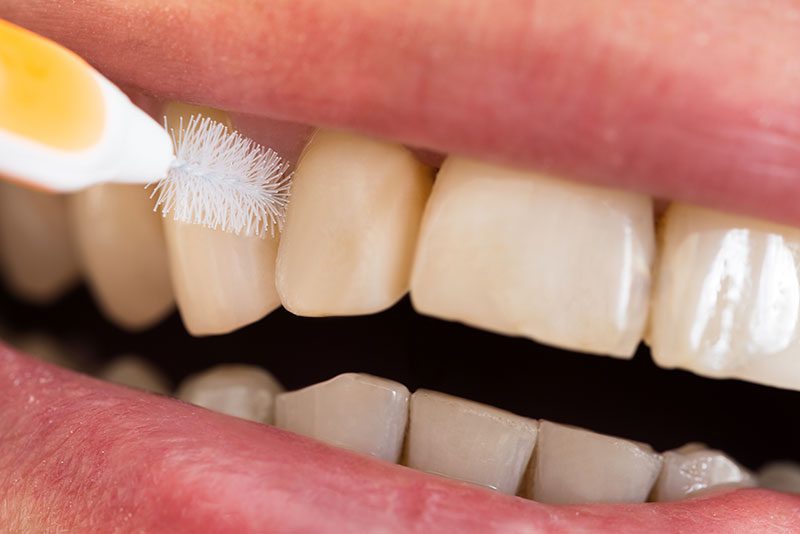
Brushing does not clean every interdental surface effectively. Depending on the patient’s tooth position, gum condition and restorations, the dentist may recommend floss, interdental brushes, a water flosser or another interdental cleaning aid. The chances that your dentist in Mumbai will be showing you an actual demonstration of how to floss your teeth is very high. And it would be a good idea to learn the tricks of trade from an expert. Get insights on flossing products and toothpaste from Best Dentist in Mumbai, while they also help out with the right technique of brushing.
What kind of Toothbrush should I use?
Most patients can use a soft-bristled manual or powered toothbrush with fluoride toothpaste. The dentist may recommend a different brush head, technique or device for braces, implants, gum disease, limited hand movement or sensitive gums.
Should mouthwash be used?
Mouthwash is not a replacement for brushing and interdental cleaning. A fluoride, antiseptic, desensitising or dry-mouth rinse may be recommended for specific conditions. Ask which product to use, how frequently to use it and for how long.
Any dietary changes for my oral health?
There might be certain temporary dietary changes based on the treatment availed from your choice of Best Dentist in Mumbai. Also certain foods like fluoride and fibre containing recommended to aid in quick healing of your teeth. There might be some food products that might have to be avoided to maintain good oral health and hygiene.

Some foods suggested for good oral health:
The diet section should instead focus on:
- Frequency of sugar intake
- Sugary drinks and snacks
- Acidic foods and beverages
- Protein and nutrient intake during healing
- Food texture after surgery
- Hydration
- Treatment-specific dietary precautions
Frequent sugar exposure is associated with dental caries, while frequent acidic-food and beverage exposure can contribute to erosive tooth wear.
Conclusion
Going to dentist near me is an important way to maintain your overall health not just your oral health. As neglecting your oral health can have a ripple effect on your general health as well. Hence it is vital as per Best Dentist in Mumbai – Dr. Chirag Chamria to visit Dentist in Mumbai at least twice a year.
Asking the right questions during a dental consultation can help patients understand their oral health better and make informed decisions about treatment. Questions about dental health stage, flossing, toothbrush type, mouthwash, diet, and treatment options can give patients more clarity before starting any dental procedure.
FAQs
1. Why should I ask questions during a dental consultation?
Asking questions helps you understand your dental condition, treatment options, risks, cost, hygiene routine, and long-term care. It also helps you feel more confident before starting treatment.
2. What should I ask my dentist about my dental health?
You can ask about the current stage of your dental health, the cause of your problem, whether treatment is urgent, and what can happen if the treatment is delayed. This helps you understand the root cause instead of only treating symptoms.
3. Should I ask my dentist how to floss correctly?
Yes, flossing technique is important because many patients do not clean properly between the teeth. Your dentist can show you the right flossing method and suggest suitable flossing products based on your teeth and gums.
4. How do I know which toothbrush is right for me?
Every patient’s mouth is different, so the right toothbrush depends on gum condition, tooth sensitivity, brushing habits, and oral hygiene needs. Your dentist can suggest whether you should use a soft brush, special brush, or powered toothbrush.
5. Should I use mouthwash every day?
Mouthwash may be useful for some patients, but it is not necessary for everyone. Some mouthwashes contain alcohol and may irritate sensitive teeth or gums, so it is better to ask your dentist which mouthwash is suitable for your condition.
6. Can diet affect my oral health?
Yes, diet can affect teeth and gums. Fibre-rich fruits and vegetables, calcium-rich foods, sugar-free options, and good hydration may support oral health, while sugary, sticky, acidic, or very hard foods may increase dental problems.
7. How often should I visit the dentist?
Many patients are advised to visit the dentist at least twice a year for routine check-ups and preventive care. However, the timing may change depending on your oral health, treatment history, gum condition, and dentist’s recommendation.