
Preventive dentistry focuses on maintaining healthy teeth and gums before dental problems develop. Good oral hygiene habits, regular dental check-ups, professional cleanings, and proper bite alignment all contribute to long-term oral health. By addressing issues such as tooth wear, malocclusion, and gum health early, preventive dentistry helps preserve your natural teeth and reduces the need for extensive dental treatments in the future.
Who Is This Article For?
- People looking to maintain healthy teeth and gums.
- Patients experiencing tooth wear or bite-related issues.
- Individuals with jaw discomfort or uneven chewing.
- Parents seeking preventive dental care for children.
- Anyone interested in avoiding complex dental treatments through early intervention.
What is preventive dentistry?
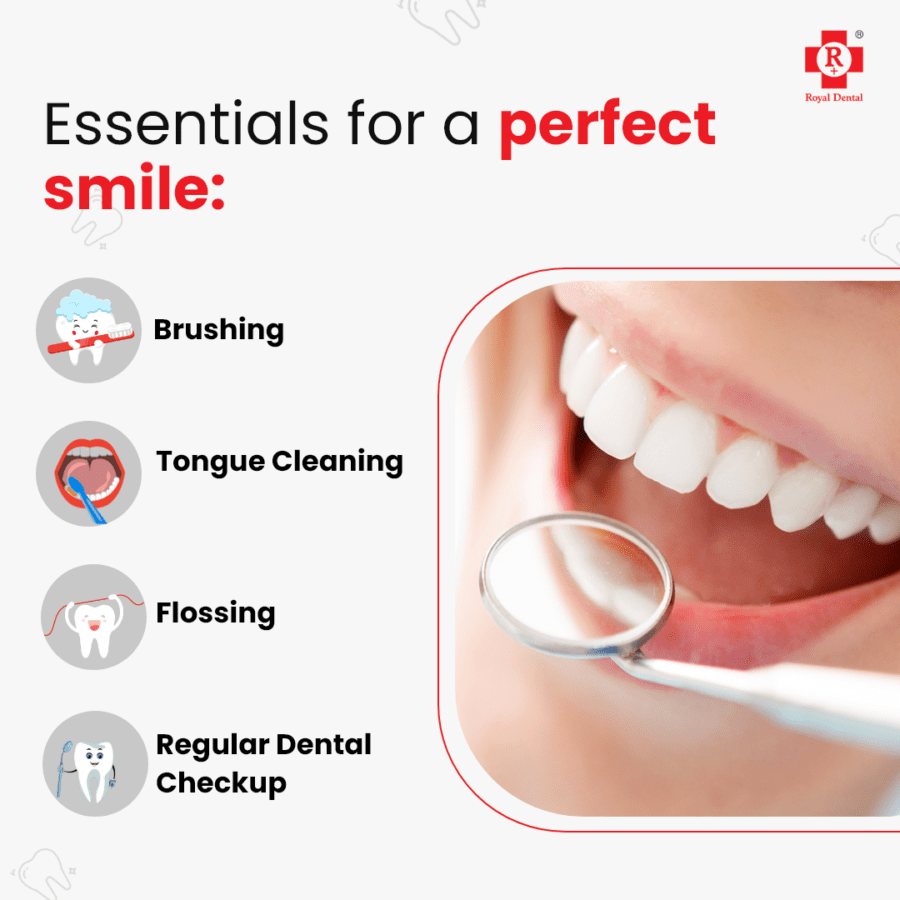
It is self explanatory. Meaning maintaining good oral health by adapting preventive ways to keep your dentition healthy. This involves developing good habits like brushing and also flossing in combination with regular dental check up. One of the main factors that clinicians can help within Preventive dentistry is balancing your occlusion.
Occlusal rehabilitation is a process of reconstruction and restoration of the worn out teeth to maintain overall hygiene of oral mucosa, tongue, gingiva and lips. However in a full mouth rehabilitation, one should reestablish functional and biological efficiency where teeth, periodontal structures, muscles of mastication and mechanism of temporo mandibular joint all function together in synchronization. It is the selective grinding of teeth for adjusting of occlusion , efficient chewing of food without hampering the masticatory function of an individual.
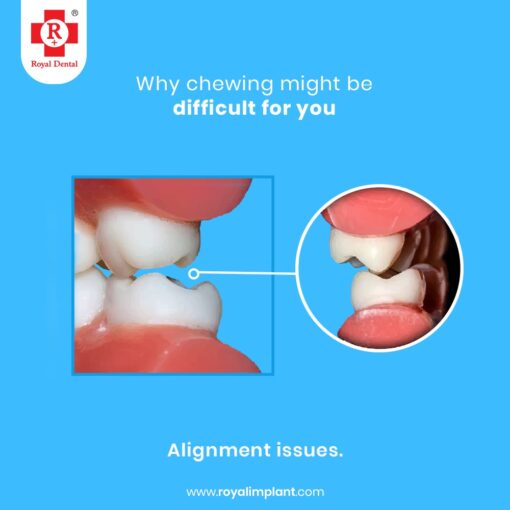
According to BULL’s law upper buccal and lower lingual cusps the define a good occlusal grinding. One should evaluate a definitive diagnosis as etiology of occlusal tooth wear is multifactorial and variable. For an appropriate treatment planning one should assess patient’s diet and eating disorders and present state of occlusion .
Classification of occlusal rehabilitation based on occlusal wear:
1. Excessive wear with loss of vertical dimension:
Closes speaking space is more than 1mm and interocclusal space is more than 4mm. Loss of facial contour and dropping of corners of mouth. Single sitting preparation of one arch should be made as it will increase the vertical dimension of occlusal (vdo) and give better esthetics.
2. Excessive wear without loss of vdo but with space available:
Gradual wear caused by bruxism, oral habits or enviormental factors where in the vdo maintained by continous eruption. This also causes shorter crown length where in resistance and retention is difficult to achieve. These cases may require gingivoplasty. However in some cases enameloplasty of opposing teeth can provide space for restorative material.
3. Excessive wear without loss of vdo but with limited space:
There is excessive wear of anterior teeth but minimal wear of posterior teeth centric occlusion and elcentric relation are coincidental with closer speaking space of 1mm and interocclusal of 2-3mm. This vertical space can be obtained by restorative materials. After classifying and evaluating patients’ existing clinical situation one must decide appropriate approach and choose an appropriate scheme.

Importance of Occlusion for Preventive Dentistry
An essential part of occlusal rehabilitation is to re-establish the correct upper and lower vertical dimension. This dimension is defined by the vertical distance between the upper and the lower while the occlusal surfaces are in contact. The aim of restorative treatment is to provide good posterior occlusal contacts, stabilise the occlusion and provide anterior guidance. A harmonious occlusion balance is significant to improve the longevity and function of natural teeth and dental prostheses.
The Patient’s Lip Line is Important
The anterior teeth support the lips, which in turn, frame the teeth. The shape of the lips, the dimension of the oral opening, the visibility of supporting teeth, and the gingival health together influence the lip line. Evaluate the lip line while the patient is smiling, as this increases the width of the mouth by a quarter or a third compared to when the lips are at rest. In younger patients, you will witness more tooth structure than older patients. Patients with large smiles can also display an excess of gingival tissue, which can make planning anterior restorations challenging. Generally patients with smaller smiles and longer upper lips, are less challenging to restore, since fewer teeth are shown when smiling.
Why Choose Royal Dental Clinics?
To restore a healthy, beautiful smile, you may not want to spend months undergoing multiple lengthy treatments. What if you could get the results you want in just one day? Now you can at Royal Dental Clinics.At Royal Dental Clinics, we believe prevention is the key to lifelong oral health. Our experienced dental specialists use advanced diagnostic tools and personalised treatment plans to detect dental problems early and restore proper function before they become more complex.
Whether you require preventive care, bite correction, or full-mouth rehabilitation, our team is committed to helping you maintain a healthy and confident smile.To restore a healthy, beautiful smile, you may not want to spend months undergoing multiple lengthy treatments. What if you could get the results you want in just one day? Now you can at Royal Dental Clinics.
Conclusion
Preventive dentistry is one of the most effective ways to protect your natural teeth, maintain healthy gums, and avoid complex dental treatments in the future. Regular dental check-ups, proper oral hygiene, and early correction of bite-related issues can significantly improve both oral function and aesthetics. If you’re experiencing tooth wear, jaw discomfort, or concerns about your bite, seeking professional advice early can help preserve your smile for years to come.
Protect Your Smile with Preventive Dentistry
Concerned about tooth wear, bite alignment, or maintaining your oral health? Schedule a consultation with Royal Dental Clinics for a comprehensive dental examination and personalised preventive care plan. Our experienced team is here to help you preserve your natural teeth and keep your smile healthy for years to come.
FAQs
Is preventive dentistry only for children?
No. Preventive dentistry is beneficial for patients of all ages and helps maintain healthy teeth throughout life.
How often should I visit a dentist?
Most people should schedule a dental check-up every six months, although your dentist may recommend more frequent visits based on your oral health.
What is occlusal rehabilitation?
Occlusal rehabilitation restores worn or damaged teeth while improving bite alignment, chewing efficiency, and jaw function.
Can bite problems cause tooth wear?
Yes. An improper bite can lead to uneven tooth wear, jaw pain, headaches, and difficulty chewing.
Can preventive dentistry reduce future treatment costs?
Yes. Detecting and treating dental issues early often prevents the need for more extensive and expensive procedures later.