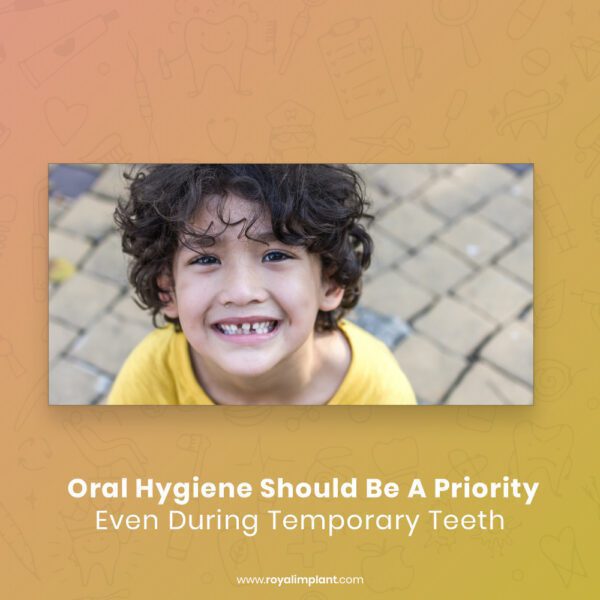
When children lose their first few teeth, it can be a very exciting or painful time for them. They might feel proud to know they’re getting older, or they will have permanent teeth coming soon. Between 6 and 12 years, children are in the mixed dentition stage, where both milk teeth and permanent teeth are present. Some irregularity can be normal, but some signs need evaluation. However, the good news is that preventive dentistry works best at this age and with minor corrections crooked teeth can be prevented. Know more about crooked teeth in children.
Who is this article about?
This article is about parents of children aged around 6–12 years, especially those worried that their child’s front teeth look spaced, rotated, crowded, protruded, or “not coming properly.”
Dentition in Children
Spacing in baby teeth can be normal and may help accommodate larger permanent teeth. Lack of spacing may increase the chance of crowding. Children at the age of 8-11 yrs are in a phase of mixed dentition. Mixed dentition is a period during which both the milk and permanent teeth are present in the mouth together. The permanent teeth erupting in place of previous milk teeth the successional teeth, whereas those erupting posteriorly to the milk teeth called the accessional teeth.
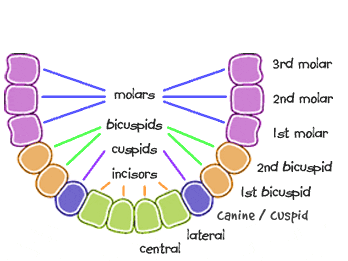
This phase begins at around 6 yrs with the eruption of 1st permanent molars and last till about 12 yrs of age. This phase is divided into 3 transitional period. However, several physiologic anomalies are present in the mixed dentition period which are self correcting. Hence, in this phase child may exhibit crooked or misaligned teeth.
1st Transitional Period In Children
Emergence of first permanent molars and exchange of deciduous incisors with permanent incisors. A phenomenon known as mesial shift occurs in this phase where the primate space is occupied by the deciduous molar due to the eruption of first permanent molar to establish a class I occlusion. However, many children lack primate space causing crowding of dentition.
Inter-transitional Crooked Teeth in Children
In this period the maxillary and the mandibular arches consist of permanent incisors and permanent molars that sandwich the deciduous canine and molar. This phase last for 1 ½ yrs and is relatively stable. Only a few changes in the morphology of deciduous teeth seen because they undergo attrition.
2nd Transitional Period In Children
This phase characterized by replacement of deciduous molars and canines by premolars and permanent cuspids and the erupting of maxillary lateral incisors and canines. This takes place around 9- 11 yrs of age and is very critical for the alignment of erupting permanent teeth. This self correcting malocclusion is seen around 8-11 yrs or during eruption of canines.
As the permanent canines erupt they displace the roots of maxillary lateral incisors mesially. This force is transmitted to the central incisors and their roots are also displaced mesially. Thus the resulting force causes the distal divergence of the crown in an opposite direction leading to midline spacing. The term ugly duckling stage indicates the unesthetic appearance of child during this stage.
This condition corrects itself after the canines have erupted. The canines after eruption apply pressure on the crowns of incisors thereby causing them to shift back to original position.
Not every spacing case during the ugly duckling stage needs treatment. However, a dentist or orthodontist should confirm that the canine eruption path, bite, and jaw growth are normal.
Parents should not panic, but they should monitor eruption and visit a dentist if teeth appear severely crowded, delayed, painful, or associated with bite or breathing concerns.
To know the answers to these any other questions, continue watching the video below. Dr. Chirag Chamria in this video discusses about Primate Spaces at the age of 9 where the Upper Canine permanent teeth are stuck together. In addition, He discusses about the Ugly Duckling Stage and it corrects itself after the canines have erupted . The canines after eruption apply pressure on the crown of incisors thereby causing them to shift back to original positions. The term ugly duckling stage indicates the unaesthetic appearance of child during this stage.
Dr Chirag Chamria on Crooked Teeth
In another educating video from the series of Cosmetic Smile Makeover by Dr. Chirag Chamria, Oral & Maxillofacial Surgeon at Royal Dental Clinics, throws light on the topic of avoiding crooked teeth in children and caring for milk teeth. Dr. Chirag Chamria in this video discusses about Primate Spaces at the age of 9 where the Upper Canine permanent teeth are stuck together. After that, He discusses about the Ugly Duckling Stage and it corrects itself after the canines have erupted .
The pivotal role of Milk Teeth
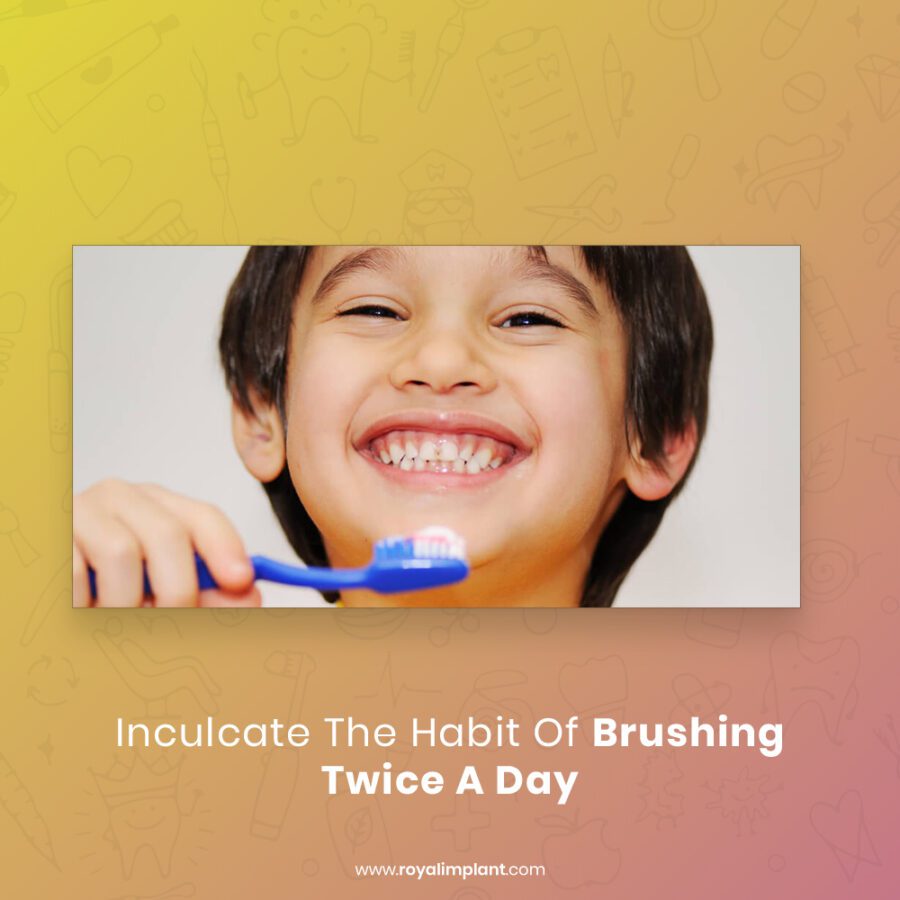
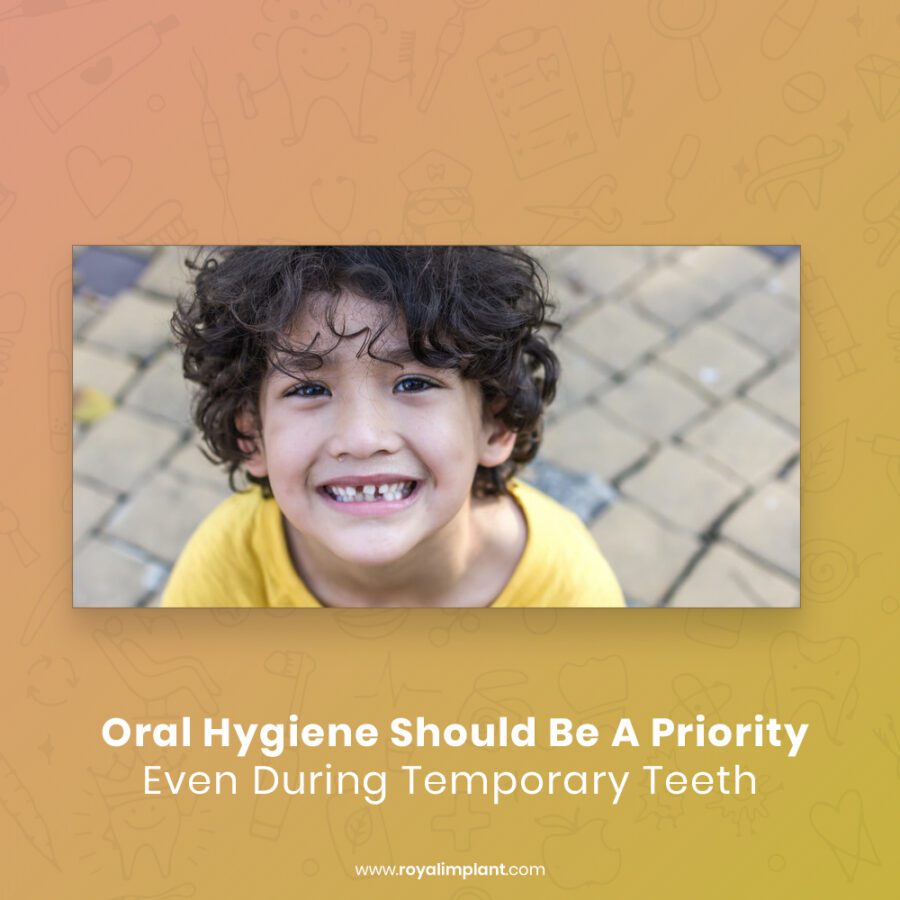
The canines after eruption apply pressure on the crown of incisors thereby causing them to shift back to original positions. The term ugly duckling stage indicates the unaesthetic appearance of child during this stage. There is a misconception among parents that dental treatment of milk teeth is not necessary. Milk teeth play a major role in child’s major health specially to avoid crooked teeth in the future. In conclusion, maintaining oral hygiene is of utmost importance for child’s physical, emotional and social development.
What is normal crookedness during mixed dentition?
Children between 6 and 12 years often have a mix of milk teeth and permanent teeth. During this stage, front teeth may look large, spaced, slightly flared, or uneven. This does not always mean the child needs braces immediately.
One common phase is the ugly duckling stage, where the upper front teeth may look spaced because the permanent canines are developing. In many children, this spacing improves as the canines erupt. However, the child should still be examined to confirm that the eruption pattern is normal.
When should parents worry about crooked teeth?
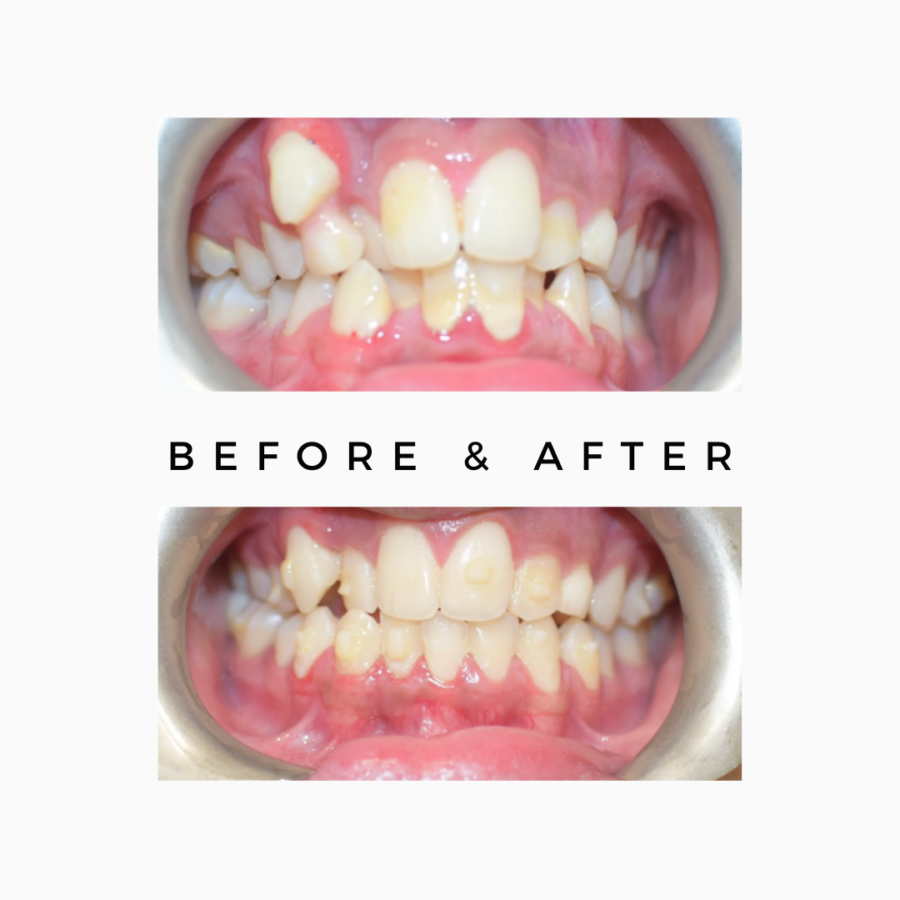
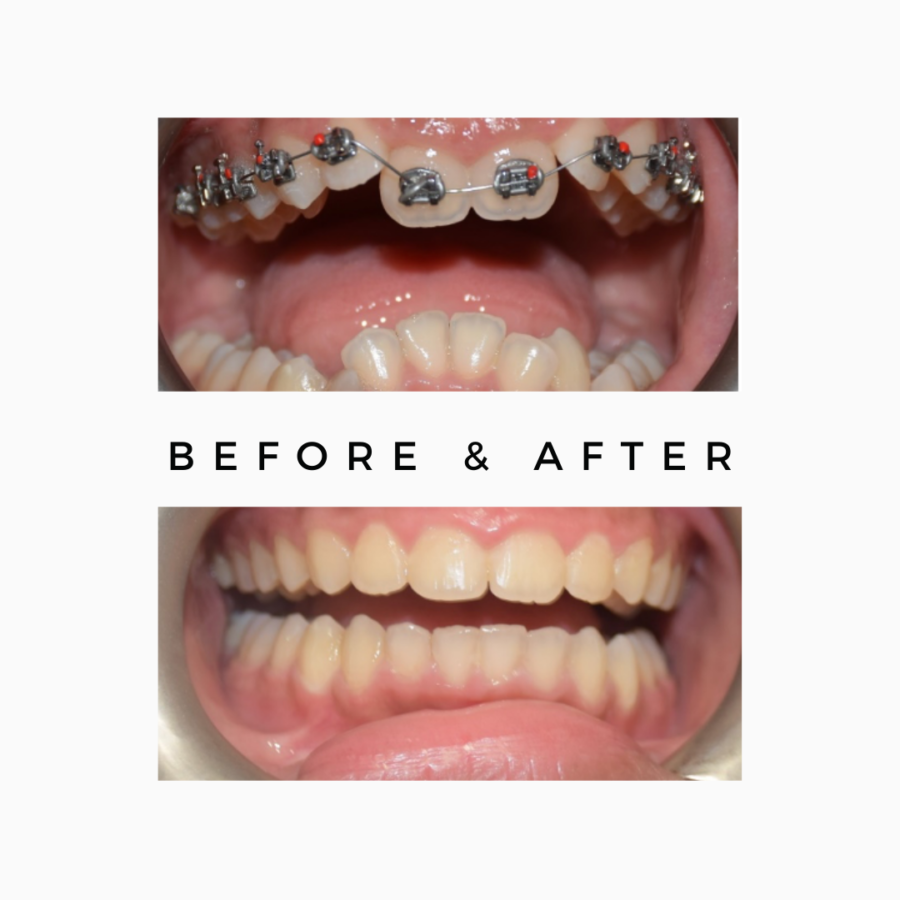
Parents should visit a dentist or orthodontist if the child has severe crowding, a crossbite, underbite, open bite, protruding front teeth, mouth breathing, thumb sucking, tongue thrusting, early or late loss of milk teeth, difficulty chewing, speech concerns, jaw shifting, facial imbalance, or teeth that are not erupting on time.
The AAO advises that children should have their first orthodontic check-up by age 7. This does not mean every child needs braces at 7; it means problems can be detected early and monitored or treated at the right time.
How can parents help prevent crooked teeth?
Parents cannot control genetics, tooth size, or jaw size, but they can reduce preventable risks. They should maintain milk teeth, treat cavities early, avoid premature loss of baby teeth, discourage prolonged thumb sucking or pacifier habits, watch for mouth breathing, and ensure regular dental check-ups.
Good oral hygiene is also important because cavities in milk teeth can cause pain, infection, early tooth loss, and space problems for permanent teeth. If a milk tooth is lost too early, the dentist may advise a space maintainer to preserve room for the permanent tooth.
FAQs
At what age should my child visit an orthodontist for crooked teeth?
Children should ideally have their first orthodontic check-up by age 7. This does not mean braces will start immediately. The purpose is to check jaw growth, eruption pattern, crowding, spacing, bite, habits, and whether the child needs monitoring, habit correction, space maintenance, or early treatment.
Will my child’s crooked front teeth become straight naturally?
Sometimes mild spacing or uneven-looking front teeth improve naturally during mixed dentition, especially during the ugly duckling stage. However, severe crowding, crossbite, underbite, open bite, delayed eruption, mouth breathing, or thumb sucking may not correct on their own. A dental check-up helps decide whether it is normal development or an early orthodontic concern.
Do milk teeth affect permanent teeth alignment?
Yes. Milk teeth help maintain space and guide permanent teeth into position. If milk teeth get cavities, become infected, or fall out too early, nearby teeth may shift and reduce space for permanent teeth. This can increase the chance of crowding or crooked teeth. That is why milk teeth should be cleaned, protected, and treated when needed.
© All rights reserved by Royal Dental Implants Pvt Ltd
Issued in public interest