A failed dental implant can often be replaced, but the dentist must first check the cause of failure. Common causes include poor bone integration, infection around the implant, peri-implantitis, gum disease, smoking, uncontrolled diabetes, excessive bite force, bruxism, poor implant position, or prosthetic overload. Peri-implant disease can cause inflammation around implant tissues and, if not treated early, may lead to bone loss.
‘Early implant failure usually happens before proper bone integration or before stable loading. Late implant failure usually happens after the implant has been functioning and may be due to infection, bone loss, bite overload, prosthetic issues, or poor maintenance. A clinical study on re-implantation found that previous failure does not automatically prevent future implant success, but patient-specific factors need careful control.
What are the signs of a failed Dental Implant?
- Severe Pain and Discomfort
- Gum Recession around the dental implant
- Difficulty while Chewing and Biting.
- Mobile bridge and implants.
- Smoking.
- Swollen Gums.
- Teeth Grinding.
Causes of a Failed Dental Implant in most cases:
Peri mucositis and peri-implantitis
To undergo this procedure, healthy gums are important criteria. Gum disease is an infection which leads to damage of the gums and jaw bone. If the infection not treated and implant placed inflammation around pre-implant tissue develop leading to pre-implant mucositis. This complication can arise during early stages of healing. If the infection not controlled at this stage it may progress to a more advanced stage periimplantitis. All this could lead to implant failure.
Loose Dental Implant failure
In the early stages of healing the process of fusion of dental implant with the bone takes place. This is called osseointegration and is important for the long term success of the implant. If due to certain reasons the implant fails to fuse with the bone it has to be removed.
Nerve or Tissue Damage
Sometimes the dentist may unintentionally place dental implant close to the nerve. This can cause paresthesia, tingling sensation and pain. It may be transient or permanent. Injury to inferior alveolar nerve in lower jaw can be serious. Symptoms such as numbness at the site of the implant, lower lip, chin, persistent pain or discomfort, tingling, burning sensation in gums and skin seen.
Sinus Perforation
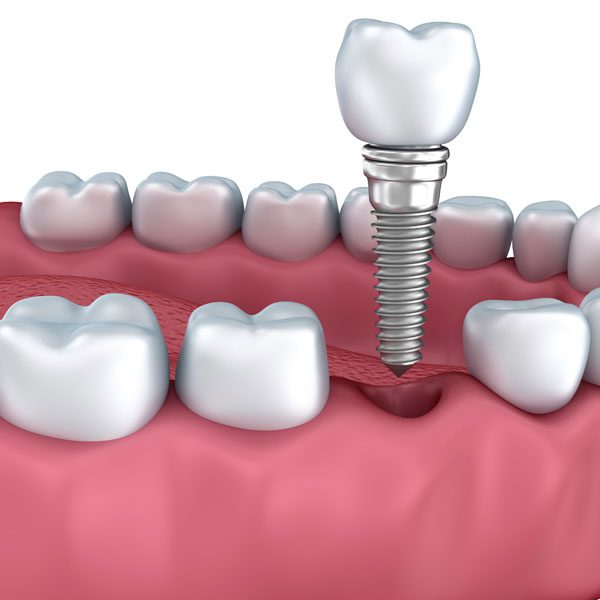
Upper dental implants can protrude into the sinus causing swelling and inflammation known as sinusitis. In addition symptoms include swelling around the cheeks, eyes, forehead, pain , blocked nose, sinus headache, toothache, high temperature.
Damage from excessive force
Patients who have the habit of clenching of teeth during sleep, tobacco chewing should be informed regarding the ill effects on excessive force on implants. Hence excessive force can cause dental implant to crack or become loose.
Smoking
It restricts blood flow to the gums causing dental implant failure. However still we can get a better outcome in smokers if they stop smoking till the healing completed.
Medical conditions
Rheumatoid arthritis, diabetes play a significant role in delaying the healing process.
After over 9200+ Dental Implants in one day, the Dental surgeons, have noted many benefits of Same Day Implant over its failures.
Delayed healing in implant
Delayed healing can prevent osseointegration leading to implant failure. Thus its important to know the potential risk so that required steps can be taken prior to the implant surgery. Also includes follow up with the dentist for any gum or bone problem. Practicing good oral hygiene before and after surgery and controlling of habits.
An Exclusive Interview of the Dental stalwart Late Dr. Arun Chamria by Maharashtra Times, the No.1 print media daily; an initiative by Times Group. Dr. Arun Chamria, Chairman Director and Founder of Royal Dental Group of Companies construes on how failure is a stepping stone to success.
Can a failed dental implant be replaced?
Yes, a failed dental implant can often be replaced. However, the replacement should not be done blindly. The first step is to understand why the original implant failed.
The dentist or oral surgeon may check for infection, bone loss, implant mobility, gum condition, bite overload, grinding habits, smoking, diabetes control, implant position, prosthetic design, and oral hygiene. If the cause is not corrected, the new implant may face the same problem.
Sometimes the failed implant can be removed and replaced after healing. In selected cases, replacement may be done immediately. In other cases, the area may need cleaning, infection control, bone grafting, gum treatment, or a waiting period before placing a new implant.
What are the signs of a failing dental implant?
A failing dental implant may show warning signs such as pain, swelling, bleeding gums, pus discharge, gum recession, bad taste, bad smell, difficulty chewing, movement of the crown or bridge, or loosening of the implant. Red, swollen, tender, or bleeding gums around an implant can be signs of peri-implant disease.
Not every loose implant crown means the implant has failed. Sometimes only the crown, screw, or bridge is loose, while the implant inside the bone is stable. This is why the dentist must examine the implant clinically and radiographically before deciding whether it needs repair, removal, or replacement.
What treatment is needed before replacing a failed implant?
Before replacing a failed implant, the dentist may need to remove infection, clean the implant site, treat gum disease, improve oral hygiene, adjust the bite, manage bruxism, stop smoking, control diabetes, or rebuild lost bone.
The European Federation of Periodontology has published evidence-based guidance on prevention and treatment of peri-implant diseases, highlighting the need for proper diagnosis, prevention of recurrence, and interdisciplinary management.
The replacement plan may include a wider or longer implant, a different implant position, bone grafting, sinus lift, soft-tissue correction, a modified prosthesis, or a staged approach. The goal is not only to place another implant, but to reduce the reason the first implant failed.
Royal Dental Implant in Mumbai
Dr Arun Chamria has a very positive approach to this question, he mentions that this is a churning of a sort where people who are at the top will come down and then will go up again. Dr Chamria says an incredible thing that as part of this churning, there will be lots of development as well. He mentions that our mythology is testimony to such incidents. With a bugger challenger, comes bigger developments.
Dr. Chamria concludes on this amazing and awe-inspiring series by saying, that whenever there are challenges in life, think that God has chosen that challenge for you and positively embrace it. Think of the outcome, you may fail many times but eventually you are bound to succeed.
FAQs
Can a failed dental implant be replaced immediately?
In selected cases, yes. A failed implant may sometimes be removed and replaced immediately if there is enough healthy bone, no uncontrolled infection, good primary stability, and favourable bite conditions. However, if there is bone loss, pus, gum infection, poor stability, or uncontrolled medical risk, it may be safer to remove the implant, allow healing, and replace it later.
How do I know if my dental implant has failed?
Warning signs include pain, swelling, bleeding around the implant, pus, gum recession, bad smell, bad taste, difficulty chewing, or movement of the crown, bridge, or implant. However, a loose crown or screw does not always mean the implant has failed. A dentist needs to check the implant clinically and with X-rays or CBCT before confirming failure.
Why did my dental implant fail?
A dental implant may fail because of poor bone integration, infection, peri-implantitis, smoking, uncontrolled diabetes, gum disease, poor oral hygiene, excessive bite force, teeth grinding, implant overload, poor implant position, or prosthetic complications. Replacement is possible in many cases, but the cause of failure must be corrected before placing a new implant.
© All rights reserved by Royal Dental Implants Pvt Ltd. Issued in public interest