
Dental problems can range from a single fractured front tooth to extensive tooth wear, loose teeth or difficulty managing a denture. The right treatment depends on the patient’s examination, dental images, bite, gum health and medical history. This article presents five dental case studies from Royal Dental Clinics in Mumbai. Each describes the patient’s main concern, the clinical findings, the treatment plan and the reported outcome. The cases show how treatment can differ from one person to another; they are examples, not a prediction of what another patient will need. Explore five dental case studies from Mumbai covering full-mouth rehabilitation, front-tooth implants, zygomatic implants, loose teeth and root canal treatment.
Five Dental Case Studies from Royal Dental Clinics, Mumbai
Dental problems can range from a single fractured front tooth to extensive tooth wear, loose teeth or difficulty managing a denture. The right treatment depends on the patient’s clinical examination, dental images, bite, gum health and medical history. This article presents five dental case studies from Royal Dental Clinics in Mumbai. Each describes the patient’s main concern, the clinical findings, the treatment plan and the reported outcome. These examples show how treatment can differ from one person to another; they do not predict what another patient will need.
Inspiring Dental Case Studies
| Case | Main concern | Treatment focus |
|---|---|---|
| 1 | Severe tooth wear and difficulty chewing | Full-mouth rehabilitation |
| 2 | Fractured upper front tooth | Single-tooth implant |
| 3 | Loose upper denture and severe bone loss | Zygomatic implants |
| 4 | Mobile lower front teeth | Gum assessment and tooth replacement |
| 5 | Severe toothache and deep decay | Root canal treatment |
Case 1
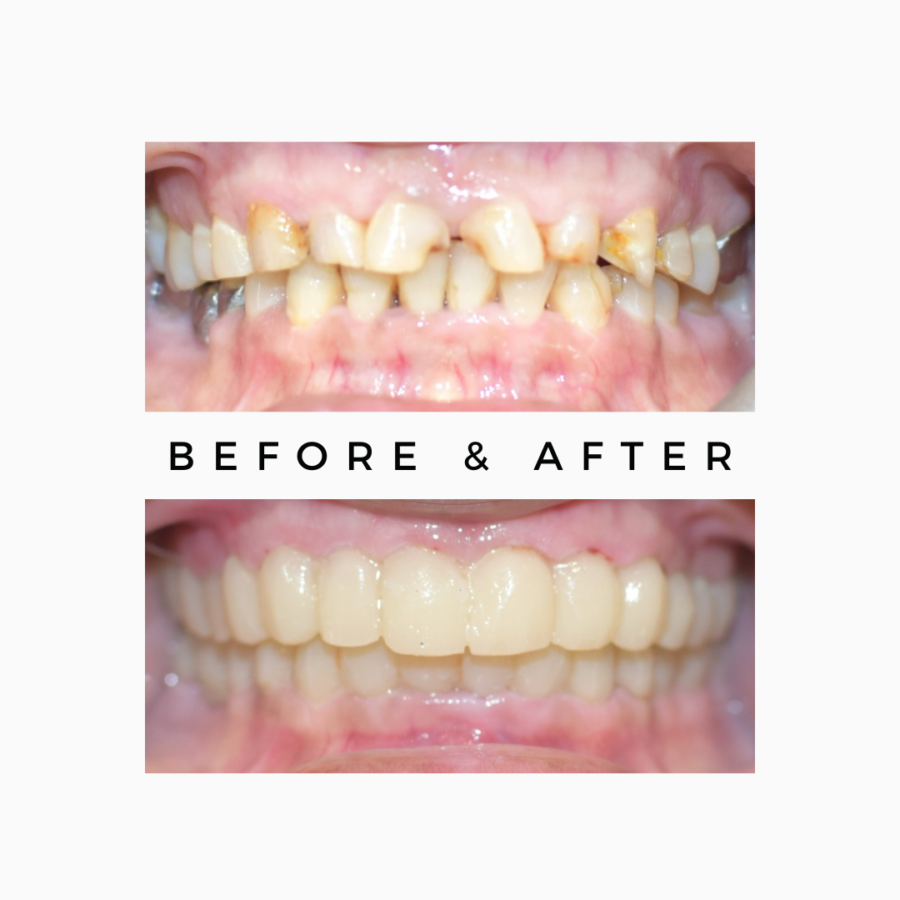
Full-mouth rehabilitation for severe wear. A 52-year-old male presented with edentulous upper, sensitivity, and difficulty chewing hard foods. His anterior teeth were almost at the gingival level, and vertical dimension appeared reduced.
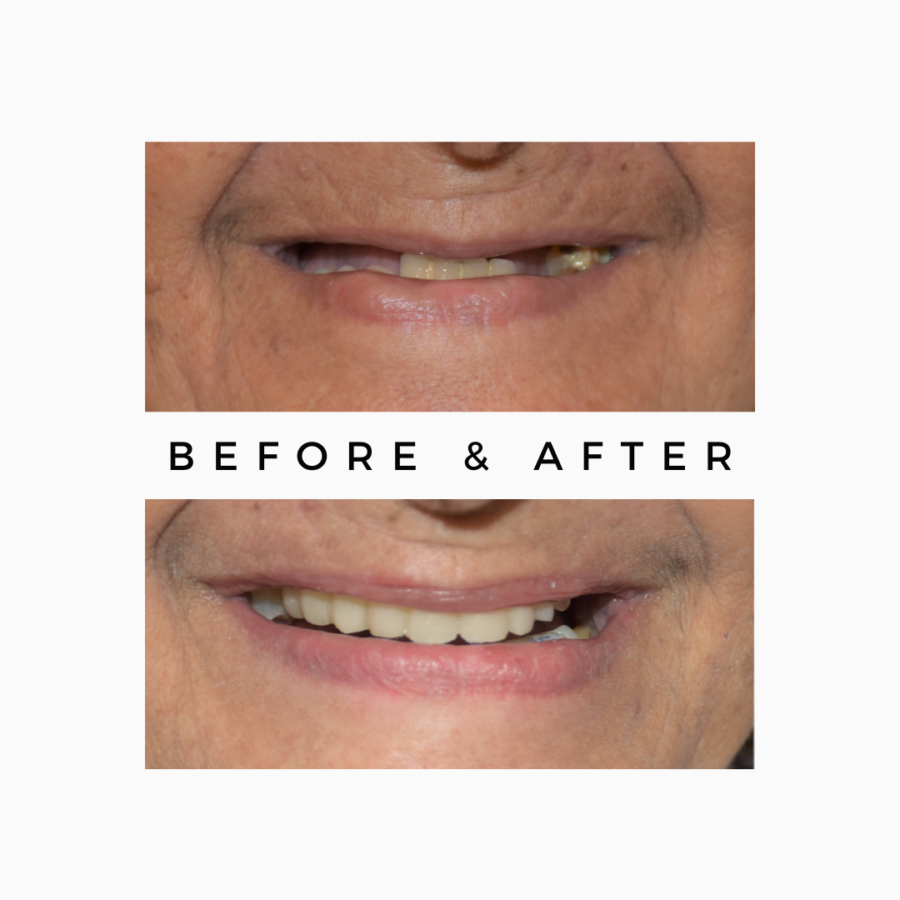
Chief complaints: Short teeth, poor smile aesthetics, and inability to chew comfortably.
Diagnosis: Generalised attrition and erosion, associated decreased vertical dimension, multiple old failing restorations, and early signs of TMJ discomfort.
Treatment plan: Comprehensive records, photographs. Definitive full-mouth rehabilitation using a mix of crowns and implants
Outcome: Restored functional occlusion and comfortable chewing Improved facial lower-third support and more youthful appearance Resolution of sensitivity and reduction in TMJ discomfort. This case is ideal to educate patients about why “short teeth” are not just cosmetic, but a functional problem needing comprehensive planning.
A 52-year-old man came to the clinic with sensitivity and difficulty chewing hard foods. The case record describes extensive tooth wear, old restorations and a reduced vertical dimension. He was also experiencing early signs of temporomandibular joint (TMJ) discomfort. After clinical assessment and the collection of photographs and other treatment records, the plan involved full-mouth rehabilitation using a combination of crowns and dental implants.
The aim was to restore a functional bite and address the worn and missing teeth as part of one overall plan. The reported outcome included more comfortable chewing, reduced sensitivity, improved support in the lower part of the face and a reduction in TMJ discomfort. This case illustrates why severe tooth wear may need assessment of both tooth structure and bite—not only cosmetic treatment.
Case 2
Single-tooth implant in the aesthetic zone A 18-year-old male visited with a fractured upper front tooth following trauma. He was very conscious about her appearance and wanted a long-term fixed solution instead of a removable prosthesis.
Chief complaints: Broken front tooth, compromised smile, and low confidence to smile or talk.
Diagnosis: Non-restorable fracture of maxillary central incisor with adequate bone volume and healthy adjacent teeth.
Treatment plan: Atraumatic extraction with immediate provisionalization, Placement of a single dental implant. Customized healing abutment to sculpt soft tissue profile Final screw-retained crown matched to adjacent tooth shade and translucency
Outcome: Natural-looking front tooth blend with surrounding dentition. Stable gingival contours and papillae, avoiding “black triangles” Restored patient’s confidence in social situations. This case is excellent for explaining how implants can preserve adjacent teeth and soft tissue compared with traditional bridges.
An 18-year-old man visited after fracturing an upper front tooth in an accident. He was concerned about the appearance of his smile and wanted a fixed replacement rather than a removable option. The case record describes the fractured tooth as non-restorable and notes adequate bone volume and healthy adjacent teeth.
The treatment plan included atraumatic extraction and implant placement, with a provisional restoration and a customised healing abutment to help shape the gum contour. A final screw-retained crown was planned to match the neighbouring teeth. The reported outcome was a natural-looking replacement with stable gum contours. This case highlights the importance of planning an implant in the visible front-tooth area around the gum shape, crown appearance and adjacent teeth, as well as the replacement tooth itself.
Case 3
Zygomatic implants for severely resorbed maxilla. A 90-year-old edentulous patient came with a loose maxillary denture and a history of being told “there isn’t enough bone for implants.” She struggled with speech, chewing, and denture retention for many years.
Chief complaint: ill-fitting denture, inability to eat comfortably, and embarrassment in social gatherings.
Diagnosis: Severely resorbed maxillary ridge, and minimal remaining bone in posterior maxilla, lower arch in fair condition.
Treatment plan: CBCT-based planning for zygomatic implants. Placement of zygomatic implants with anterior conventional implants, Immediate fixed prosthesis. Postoperative physiotherapy and maintenance protocol.
Outcome: Stable, fixed prosthesis with dramatically improved chewing efficiency. Elimination of denture adhesives and frequent relining Significant improvement in quality of life and patient-reported satisfaction. This case underscores advanced implant options for “hopeless denture wearers” who might otherwise think they have no solution.
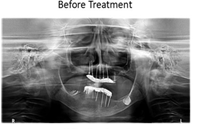
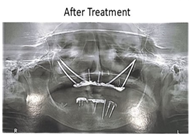
A 90-year-old patient had worn a loose upper denture for years and found it difficult to speak and chew comfortably. The assessment described severe bone loss in the upper jaw, particularly in the posterior region. The plan used CBCT imaging for treatment planning, with zygomatic implants and conventional implants in the front part of the upper jaw. An immediate fixed prosthesis and a postoperative maintenance plan were also included. The case report describes improved denture stability and chewing function after treatment. Zygomatic implants are an advanced option used in selected cases of severe upper-jaw bone loss. Detailed examination and imaging are needed to determine whether this approach is appropriate for an individual patient.
Case 4
A 52 year old patient reported to the clinic with the complaint of mobility of the lower anteriors affecting chewing and smile aesthetics.
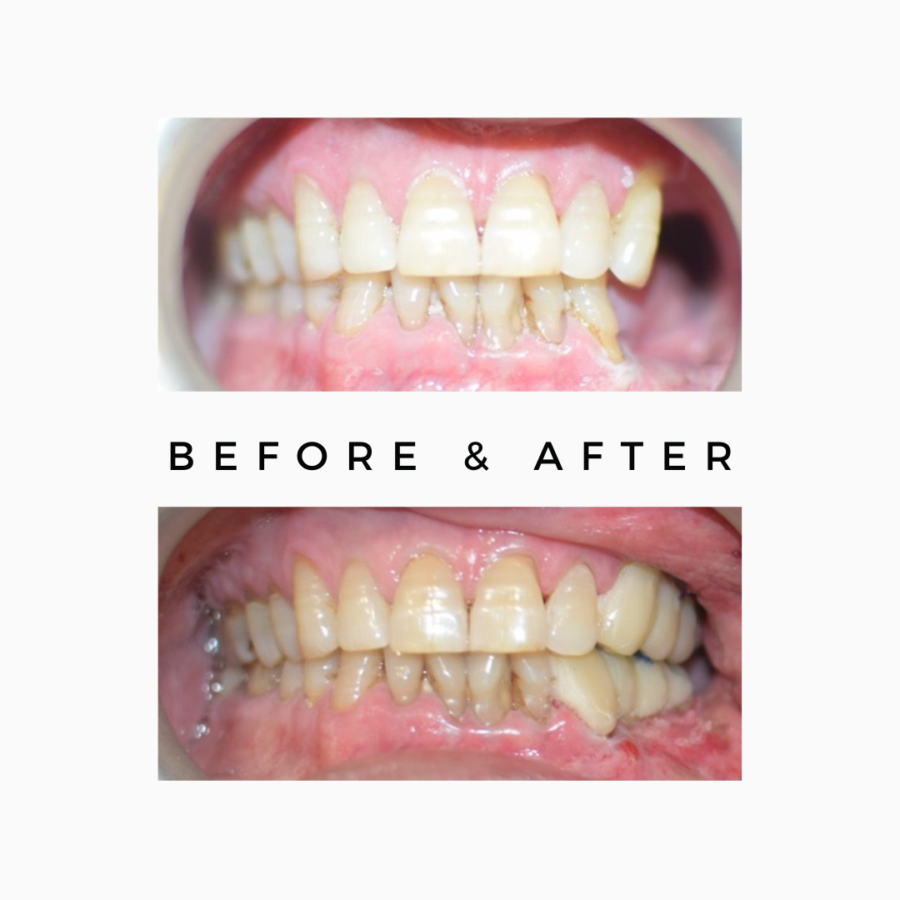
Chief complaints: Loose front teeth, difficulty to chew and smile confidently.
Diagnosis: Generalized chronic periodontitis in the mandibular anterior region with Grade II-III mobility of the four anterior teeth.
Treatment plan: Extraction of #31,#41, placement of implants in #31,#41 region, prosthetic rehabilitation with HIPC crown.
Outcome: The implants osseointegrated successfully and the HIPC crown provided good esthetics and stable function. The patient reported improved chewing efficiency and greater confidence in smiling.
A 52-year-old patient reported that loose lower front teeth were affecting chewing and confidence when smiling. The case record describes periodontal disease and Grade II–III mobility affecting the lower front teeth. The published treatment plan records extraction of teeth #31 and #41, followed by implant placement in those sites and prosthetic rehabilitation using an HIPC crown. The case report states that the implants integrated and that the patient reported improved chewing and confidence. This case illustrates the need to assess gum health, tooth mobility and the supporting bone before planning replacement teeth. The treatment plan should be based on the full clinical findings, including the condition of the remaining teeth and gums.
Case 5
Saving a badly infected tooth with root canal treatment, a 30-year-old office worker reported intense pain in the lower right jaw, often waking her up at night. She feared extraction but wanted to preserve her natural tooth if possible.
Chief complaints: Severe spontaneous toothache, sensitivity to hot and cold, and pain on biting.
Diagnosis: Deep carious lesion reaching the pulp, with periapical radiolucency indicating chronic apical periodontitis.
Treatment plan: Emergency pulpal debridement and pain management one seating root canal treatment with proper irrigation and disinfection Placement of a post and core, Final full-coverage crown to protect the tooth from fracture
Outcome: Complete relief from pain and infection, Preservation of natural tooth structure and occlusion Patient’s perception of root canal treatment shifted from “painful” to “tooth-saving” This case works well to dispel common myths about root canals and to emphasise the importance of early treatment.
A 30-year-old office worker came to the clinic with severe pain in the lower right jaw. The pain interrupted her sleep, and she was worried that the tooth might need to be removed. She wanted to know whether it could be saved. The examination described deep decay reaching the pulp of the tooth, with an X-ray finding around the root. The treatment plan included cleaning the infected pulp space, completing root canal treatment, and restoring the tooth with a post and core and a full-coverage crown. The case report records relief from pain and retention of the natural tooth. This case shows how a tooth that is badly decayed may sometimes be treated with root canal therapy and a protective restoration when it is considered restorable after examination.
What these dental case studies can teach patients?
These five cases involve different concerns and treatment plans. A fractured front tooth, severe tooth wear, a loose denture, mobile teeth and deep decay each require a different assessment. The examples can help patients understand the kinds of questions a dentist may consider, but a case study cannot determine another person’s diagnosis or treatment. At a consultation, ask what the examination has found, which treatment options are available, what the expected stages are, and what follow-up care may be needed. Your dentist can explain how your own dental and medical history affects the plan.
Conclusion
These five dental case studies show how treatment can vary according to the patient’s concern and clinical findings. From restoring worn teeth to replacing a fractured front tooth or treating deep decay, careful assessment helps the dental team plan an approach for that individual. If you have persistent tooth pain, mobile teeth, difficulty chewing, a loose denture or extensive tooth wear, arrange a dental consultation to discuss the findings and available options. Treatment suitability, timing and outcome vary by patient.
Frequently asked questions
Do these case study outcomes mean I will get the same result?
No. These are examples of individual patients and their reported outcomes. Your treatment options and likely results depend on your examination, dental images, gum and bone condition, bite, medical history and other individual factors.
Can a dental implant be placed on the same day as a tooth extraction?
In selected cases, an implant may be placed at the time of extraction, and a provisional tooth may sometimes be provided. This is not suitable for everyone. The decision depends on the tooth, surrounding bone and gums, infection, bite and overall treatment plan.
What are zygomatic implants?
Zygomatic implants are an advanced implant option used in selected patients with severe bone loss in the upper jaw. They require careful planning and assessment, including appropriate imaging. A consultation is needed to discuss whether this approach is suitable.
Can a root canal save a badly decayed tooth?
A root canal may help retain a tooth when the pulp is affected but the tooth can still be restored. The dentist needs to assess the remaining tooth structure, the surrounding tissues and the long-term restorative options before recommending treatment.
Do loose teeth always need to be removed?
Not necessarily. The cause and severity of the mobility need to be assessed first. A dentist will examine the gums, bone support and the condition of each tooth before discussing whether treatment to retain the tooth or replacement may be appropriate.
What is full-mouth rehabilitation?
Full-mouth rehabilitation is a personalised plan to restore or replace multiple teeth and improve oral function. Depending on the patient’s needs, it may involve treatments such as crowns and dental implants. The plan and sequence vary from person to person.