

Cosmetic dental treatment can improve the appearance and function of your smile, but proper aftercare is important for comfort, healing and maintaining the results. Your post-operative instructions will depend on the procedure you have received. Some patients may experience temporary sensitivity, gum tenderness or mild discomfort, while others may have little or no downtime. This guide explains general aftercare following cosmetic dental procedures, including teeth whitening and veneers.
Who Is This Article For?
- Patients who have recently undergone cosmetic dental treatment
- People preparing for a cosmetic dental procedure
- Patients who want to understand cosmetic dentistry aftercare
- People experiencing sensitivity after teeth whitening
- Patients who have recently received veneers
- Anyone unsure about eating, brushing or maintaining their smile after treatment
What to expect after Cosmetic Dental Surgery?
One of the main reasons people opt for cosmetic dental surgery is for more confident smiles. And the best way to show off your beautiful smile is to flash that pearly whites. Make sure you know how long it takes for your new teeth to fully settle into place. Any dental procedure will require some settling time before you can fully show off your new smile. A few days after any cosmetic dental surgery, you will likely experience some swelling and inflammation.

This is normal and something you should expect while your body is trying to heal itself. You may also experience some mild discomfort or aching. Again, this is normal and will subside with time. Make sure you follow your dentist’s instructions regarding pain medication. You will also likely experience some changes in your bite. This is normal and will subside with time. You may also experience some sensitivity in your teeth.
As per Dr Chirag Chamria, Oral Surgeon at Royal Dental Clinics, “For us, excellence is our constant pursuit. Patients want immediate results & are no longer ready to hold back for days to restore their smile. We strive for nothing less than the mastery of this medium in which we have chosen to craft.”
Again, this is normal and will also subside with time. Your dentist may also prescribe some mouthwash or other oral care products to help soothe any sensitive areas. Your cosmetic dental surgery will also likely alter the way you eat and drink. Be sure to let your dentist know if you have any difficulties chewing or swallowing food and liquids. You may also experience some changes in your daily routine and hygiene practices. Take extra care to clean or floss your new teeth to prevent infection.
The day after your Cosmetic Dentistry Procedure!
The day after your cosmetic dental surgery, you will likely experience some swelling, some mild discomfort, and some tenderness around your surgical site. You may also experience a dry mouth, due to the swelling, and may find it difficult to swallow. The best thing you can do for yourself is to rest and stay hydrated. Avoid any strenuous activities, including exercise, and be sure to drink lots of water to flush out any toxins your body may be produced during the healing process.
You will also likely experience some changes in your bite. This is normal and will subside with time. You may also experience some sensitivity in your teeth. Again, this is normal and will also subside with time. Your dentist may also prescribe some mouthwash or other oral care products to help soothe any sensitive areas.
Patient Testimonial | Cosmetic Dentistry
Care after Teeth whitening | Cosmetic Dentistry
Teeth whitening is a cosmetic dental procedure that uses hydrogen peroxide to remove stains from your teeth. Whitening your teeth will not only give you a brighter smile but will also enhance your self-esteem. However, the whitening process can be quite harsh on the teeth, especially if you use a long-term treatment. Teeth whitening can also cause sensitivity, cavities, and other problems if you don’t use it properly.
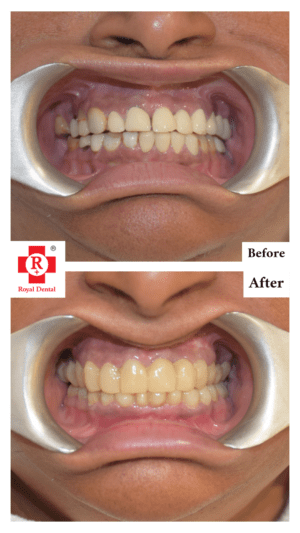
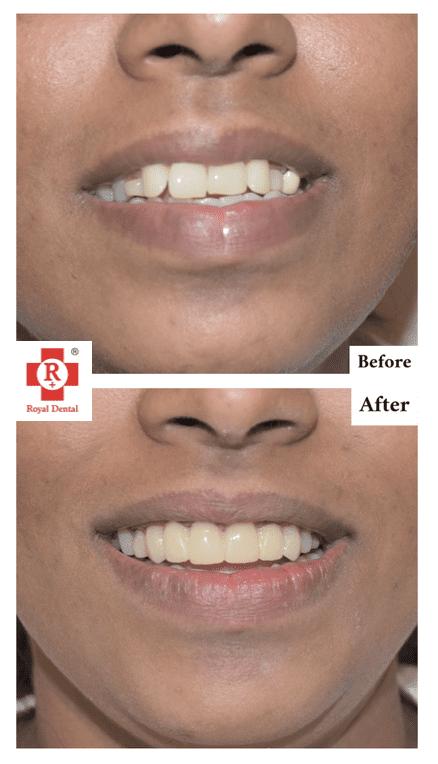
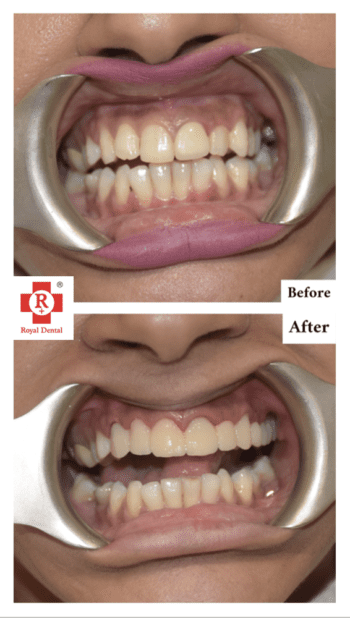
So, you should always follow your dentist’s instructions and use the prescribed amount of care after teeth whitening. Your dentist will likely recommend that you brush your teeth twice a day with a soft-bristled brush for the first week to two weeks after the procedure.
Teeth care after Veneer Surgery
A veneer is a thin covering that is bonded to the surface of your teeth to improve their appearance. Veneers are usually used to cover stained or crooked teeth or correct small deformities. Veneer surgery is a pretty straightforward and simple procedure that can be completed in one visit. However, you will likely experience some swelling and discomfort around your gums, depending on the type of anesthesia used during the procedure.
Veneer treatment can be a little tricky to recover from. You will likely experience some pain and discomfort around your gums, and your mouth might become dry. To manage these side effects, follow your dentist’s instructions to the tee. Take pain medication as prescribed, use a soft-bristled toothbrush, and avoid drinking too much water to prevent dehydration.
Conclusion
Proper aftercare helps protect your comfort and the results of cosmetic dental treatment. While some procedures may cause temporary sensitivity or tenderness, recovery varies from patient to patient and depends on the treatment performed. Follow your dentist’s specific instructions, maintain good oral hygiene and attend recommended follow-up appointments. If you experience severe, persistent or worsening symptoms, contact your dentist rather than waiting for them to resolve on their own.
Frequently Asked Questions
What should I do after cosmetic dental treatment?
Follow your dentist’s personalised instructions regarding food, oral hygiene, medication, activity and follow-up. General aftercare depends on the procedure you received.
Is sensitivity normal after cosmetic dentistry?
Some procedures, particularly teeth whitening, can cause temporary sensitivity. Persistent or severe sensitivity should be discussed with your dentist.
Can I eat normally after cosmetic dental treatment?
It depends on the procedure. Some patients can eat normally soon after treatment, while others may need temporary dietary modifications.
How long does it take to recover from cosmetic dentistry?
Recovery varies by procedure. Whitening usually involves minimal downtime, while procedures involving gum surgery or extensive treatment may require a longer recovery period.
When should I contact my dentist after cosmetic treatment?
Contact your dentist if you experience severe or worsening pain, significant swelling, persistent bleeding, fever, a damaged restoration, or other symptoms that concern you.