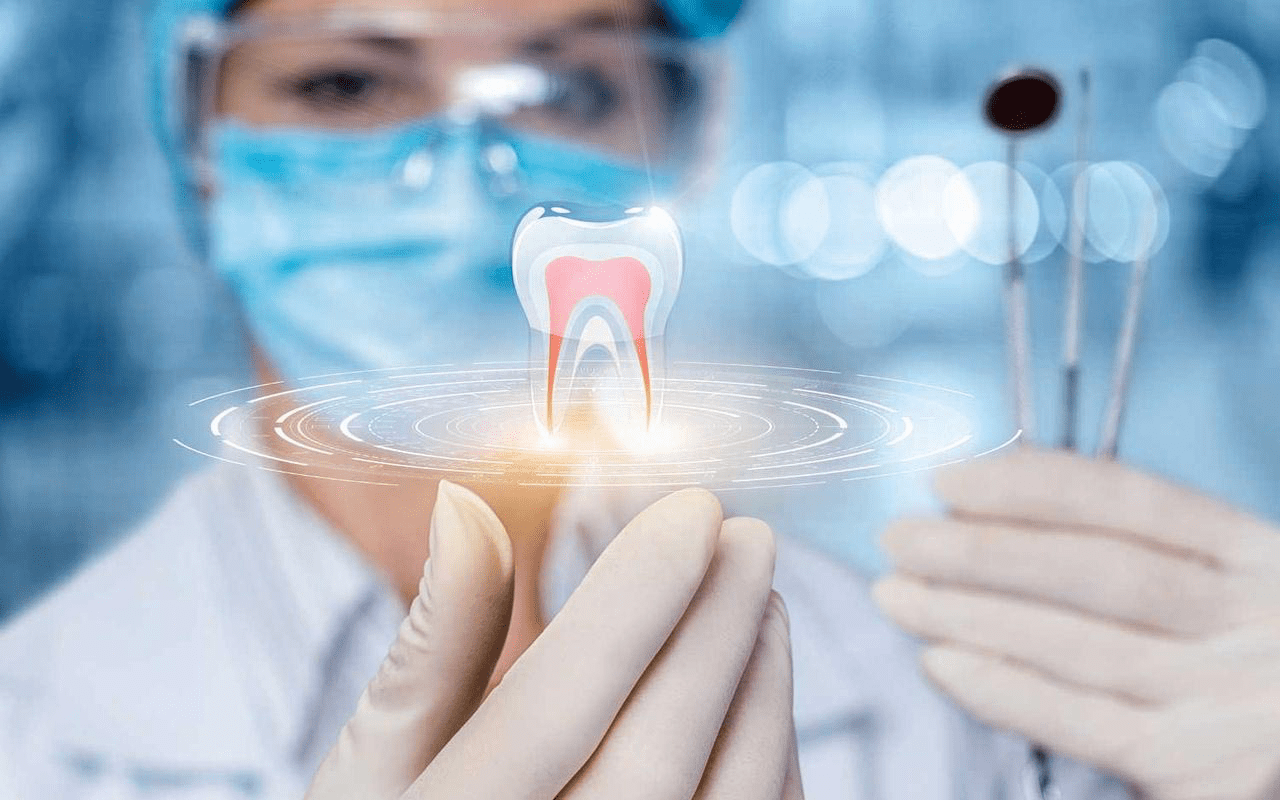
Modern dentistry combines clinical experience with digital tools that help dentists examine, plan and deliver treatment more precisely. At Royal Dental Clinics, technologies such as digital X-rays, CBCT imaging, intraoral scanning, CAD/CAM and 3D printing may be used according to the patient’s needs. We like to think of these systems as our “technology minions”—quiet tools working behind the scenes to support diagnosis, implant planning, digital impressions, restorations and patient communication. Technology does not replace the dentist. It provides better information so that the dental team can make a more informed clinical decision.
Amazing smile results are usually accompanied with a support team which may be less visible at times, running silently or even invisibly, but definitely not idle, they are the ones making dental care more intelligent, time-saving and comfortable. We call them our Technology Minions. They may not be wearing scrubs, but they are always on hand, in fact, they are the ones who make it possible for us to be accurate in our dentistry with a human touch.
What is Digital Dentistry?
Digital dentistry refers to the use of digital imaging, scanning, computer-aided design, manufacturing and digital planning in dental care. These tools can help the dentist visualise the teeth and supporting structures, plan treatment and communicate findings more clearly with the patient.
Digital dental X-rays
Digital X-rays provide quick images of the teeth and surrounding structures. They may assist in detecting decay, bone loss, infection and other dental problems. The appropriate type of X-ray depends on the clinical question.
OPG or panoramic X-ray
An OPG provides a broad view of both jaws, teeth, jaw joints and some surrounding structures. It may be used as an overview during implant planning, orthodontic assessment, wisdom-tooth evaluation and general diagnosis.
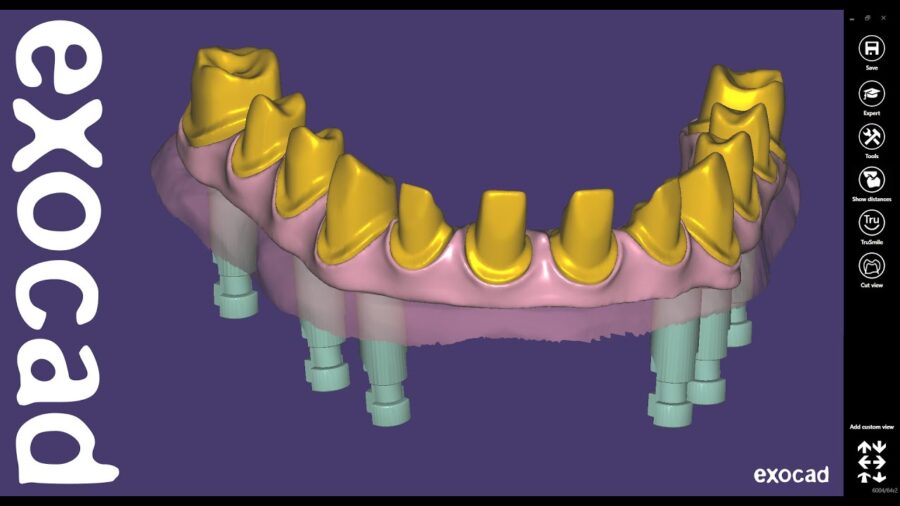
CBCT scan
A CBCT scan creates three-dimensional images of the teeth, jawbone, nerve pathways and, depending on the field of view, nearby structures such as the maxillary sinuses. It may be useful for implant planning, complex extractions, bone assessment, root canal evaluation and selected surgical procedures. CBCT should not be used routinely for every patient. The scan should be recommended when the additional three-dimensional information is clinically useful.
Intraoral scanner
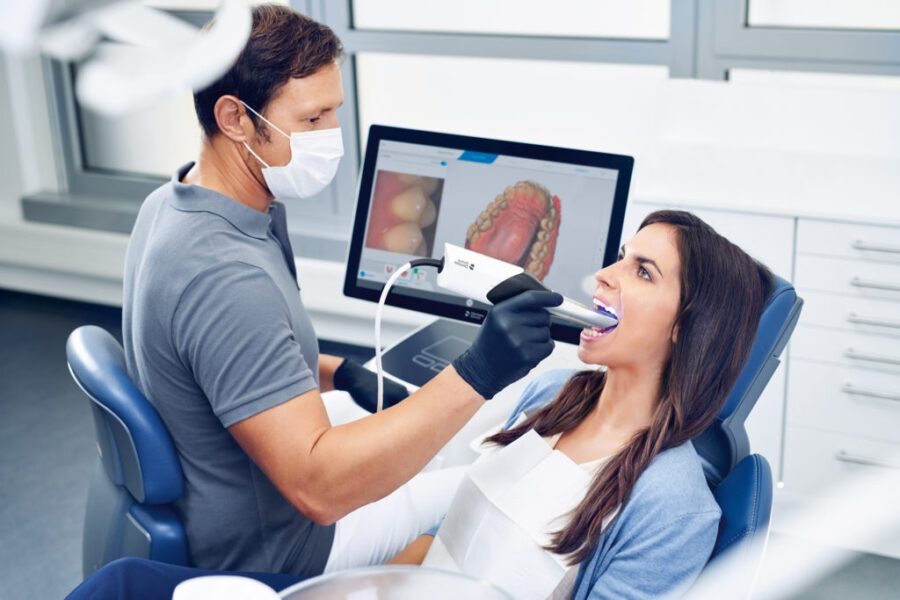
An intraoral scanner captures a three-dimensional digital model of the teeth and gums. In suitable cases, this may reduce the need for conventional impression material and can help with the planning of crowns, bridges, aligners, surgical guides and implant restorations. Digital scanning is not automatically better for every clinical situation. The dentist and laboratory team decide which impression or scanning method is most appropriate.
CAD/CAM and in-house laboratory technology
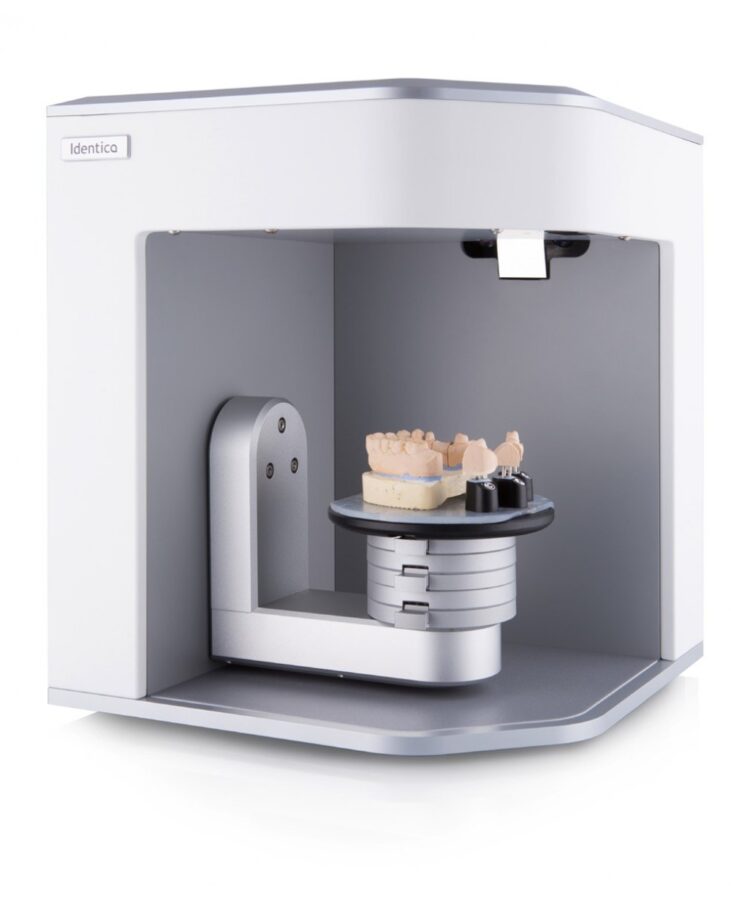
CAD/CAM means computer-aided design and computer-aided manufacturing. In dentistry, it can support the design and fabrication of crowns, bridges, implant restorations, surgical guides, models and selected temporary prostheses. Digital laboratory systems may reduce manual steps and improve communication between the dentist and laboratory. Same-day or accelerated treatment may be possible in selected cases, but it depends on the diagnosis, laboratory workflow, material, bite, gum health and overall treatment plan.
3D printing in dentistry
Dental 3D printing may be used to produce study models, surgical guides, trial restorations, temporary prostheses, aligner-related components and other customised dental appliances. The final use depends on the material, printer, design, post-processing and clinical requirements. A printed model or temporary restoration should not automatically be described as a permanent dental restoration.
Imaging Dental Technology Minions
These minions are responsible for holding a wide range of household tasks of the dental office from digital X-rays to 3D CBCT scans i.e., RVG, OPG, Lateral Cephalogram, CBCT and all through they achieve the same goal – getting the most clear images – they comply with the lowest amount of radiation possible. They assist dentists in spotting problems early, accurately mapping out treatments, and giving the visual evidence of the condition to the patient-so he is always in the loop. The obtained results are almost immediate, it facilitates very early diagnosis and treatment planning with unprecedented accuracy.
The Smart Planners with Dental Technology
These minions are the main agents of the main characters in a movie called technology in medicine, with the screenplay based upon AI advanced software and machine learning. Intraoral Scanning in which Medit Scan & Runeys Scan. They support the clinicians in diagnosis and treatment planning by analyzing given data, outcome simulation, and thus, they can be involved towards remarkable accuracy in any field from orthodontics to the surgical site of implant placement.
Some dental software may assist with image analysis or treatment planning. These tools support the dentist but do not replace clinical examination, professional interpretation or diagnosis. Lasers may be used for selected dental procedures, depending on the indication and equipment available. Their suitability varies from patient to patient. Robotic or computer-assisted systems are used only in selected clinical settings and should not be presented as a routine part of every dental treatment.
The Comfort Keepers
Whereas traditional dental treatments are often accompanied by inconvenience, the technology-driven instruments such as laser therapy and digital scanners i.e., Intraoral Scanning in which Medit Scan & Runeys Scan mitigate the discomforts, the noise, and the duration of the treatment. These minions dedicate themselves to making the experience more amiable and thus, more user-friendly, even handling the relaxation part. Along with the sterilization equipment, digital records, and safe practice software that collaborate to assure your health and privacy, is present hardly noticeable workforce, comprised of minions, who are the greatest defenders of safety and hygiene and who do not take a break.
The Organizers
By means of the internet booking and reminders, as well as paperless records, these minions smooth out all the everyday runs behind the scenes–thus making the visit not only stress-free and efficient but also punctual, working secretly and efficiently is a digital helper which is responsible for without any glitching, the appointments, records, and communication flow. A real plus for the patients, it maintains visits efficient, well organized, and without any inconveniences.
Digital & Diagnostic Innovations
- AI (Artificial Intelligence): Analyses X-rays and scans for early detection of issues like cavities, gum disease, and oral cancer, improving diagnosis.
- 3D Imaging (CBCT): Cone-beam computed tomography provides high-resolution 3D views of teeth, bone, and nerves for precise planning.
- Intraoral Scanners: Digital scanners capture detailed 3D models, replacing traditional goopy impressions for better-fitting crowns, aligners, and bridges.
- Digital Radiography: Offers faster, clearer images with significantly less radiation than traditional X-rays.
- Intraoral Camera Minion: Have you ever thought of viewing what the dentist sees? The minion makes it possible. Small cameras can instantly show the dentist’s view of the teeth and gums thereby educating the patient about the state of his/her oral health and the best treatment course.
Treatment & Procedure Advancements
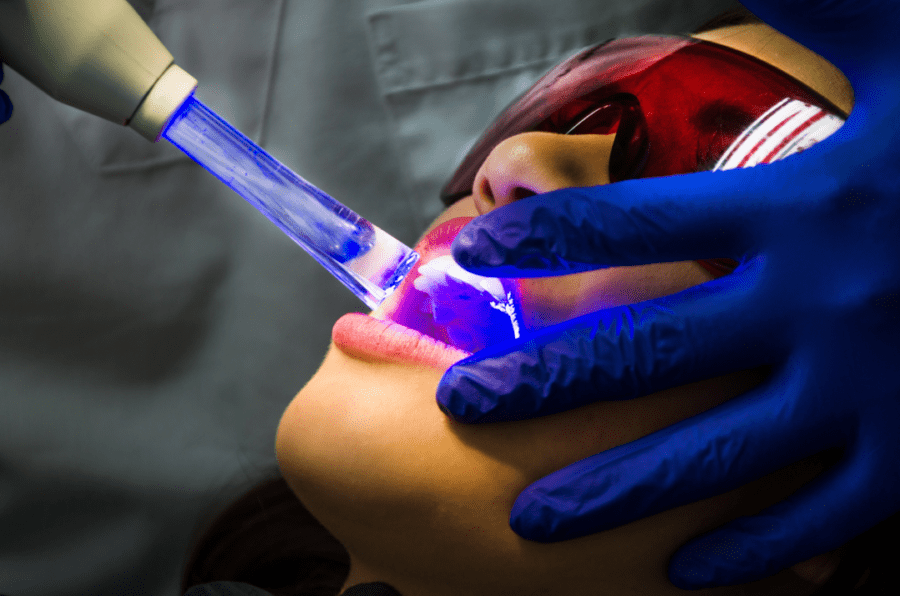
- Laser Dentistry: Minimally invasive laser technologies are employed for gum reshaping, bleaching of teeth, treatment of cavities, and removal of tissues, resulting in less pain and quicker recovery. It is a laser-minded small but highly effective worker which is geared towards making the patients more comfortable, wound healing process quicker while at the same time minimising the pain, using laser technology. It is gentle dentistry with high-tech precision.
- 3D Printing: Produces personalised dental mannequins, surgical guides, aligners, and crowns with great precision.
- CAD/CAM Technology: Computer-Aided Design/Manufacturing allows for crowns and restorations to be done in the same day. It is one of the technology wizards which fabricate accurate and perfectly fitting dental solutions such as crowns, restorations, etc., mostly in one visit only.
- Robotics: Dentists use robots to perform precise tasks in complicated operations.
Patient Experience & Prevention
- Tele-dentistry: Virtual consultations and follow-ups facilitate care availability and, thus, are particularly beneficial for patients living in remote areas.
- Virtual Reality (VR): A technology, which is used for the purpose of diverting and comforting patients, who are nervous during medical procedures.
- Smart Toothbrushes & Devices: Devices with built-in sensors offer you instant feedback, thereby helping you to improve your brushing habits and general oral hygiene.
| Technology | What it helps with | Patient benefit |
|---|---|---|
| Digital X-ray | Teeth, bone and infection assessment | Faster image review |
| OPG | Broad view of the jaws and teeth | Overall treatment overview |
| CBCT | Three-dimensional bone and anatomical assessment | Detailed implant and surgical planning |
| Intraoral scanner | Digital tooth and gum records | Reduced need for conventional impressions in suitable cases |
| CAD/CAM | Designing restorations and appliances | Efficient laboratory communication |
| 3D printing | Models, guides and selected appliances | Customised planning and production |
| Intraoral camera | Close-up images of teeth and gums | Easier patient education |
Conclusion
Dental technology is most useful when it supports good clinical judgement. Digital X-rays, CBCT, intraoral scanning, CAD/CAM and 3D printing can help the dental team examine, plan and communicate treatment more clearly. At Royal Dental Clinics, technology is used according to the patient’s clinical needs—not simply because it is available. Your dentist will explain which records or scans are required, what they show and how they influence your treatment plan.
FAQs
Does dental technology replace the dentist?
No. Digital tools provide information and support planning, but diagnosis and treatment decisions still require clinical examination and professional judgement.
Does a CBCT scan replace a normal dental X-ray?
Not always. A conventional X-ray may be sufficient for many problems. CBCT is generally selected when three-dimensional information is required.
Can an intraoral scanner replace dental impressions?
In many cases it can, but not every situation is suitable for digital scanning. The choice depends on the treatment, patient, scanning conditions and laboratory requirements.
Can digital dentistry guarantee a perfect result?
No. Technology can improve visualisation and planning, but the final result also depends on healing, oral hygiene, gum health, bite, materials, laboratory work and follow-up care.
Does digital technology mean my treatment will be completed in one day?
Not necessarily. Some selected procedures may be completed in one visit, while other treatments require healing, laboratory stages or multiple appointments.
Is dental technology safe?
Dental imaging involves decisions about radiation exposure, so scans should be prescribed when clinically justified. The type and dose depend on the imaging system and protocol.