
The answer is that modern dentistry relies on both. Every dental procedure is based on scientific knowledge, clinical research, and evidence-based treatment planning, while artistic judgement helps dentists restore teeth that look natural and function properly. Successful dentists combine an understanding of anatomy, physiology, dental materials, and oral diseases with excellent manual dexterity, precision, and aesthetic awareness to deliver high-quality patient care. Is dentistry more of an art than knowledge? Learn how dentistry combines science, clinical expertise, technical precision, and artistic skill to create healthy, natural-looking smiles.
Who Is This Article For?
- Students considering a career in dentistry
- People interested in the dental profession
- Patients curious about modern dental care
- Aspiring dental professionals
- Anyone wanting to understand what dentistry involves
Is Dentistry an Art or a Science?
Dentistry is both a science and an art. Scientific knowledge allows a dentist to diagnose oral diseases, understand anatomy and select safe treatments. Artistic ability helps the dentist recreate natural tooth shape, colour, proportion and facial harmony. Successful dental treatment depends on combining these abilities. Science determines what is clinically possible and safe, while artistry helps create a result that looks natural and suits the individual patient.
Why Is Dentistry Considered a Science?
Dentistry is based on subjects such as anatomy, physiology, pathology, microbiology, pharmacology, dental materials and radiology. Dentists use this knowledge to understand how diseases develop and how different treatments may affect the teeth, gums, jaw and overall health. Before beginning treatment, the dentist may examine the mouth, evaluate the patient’s medical history and study X-rays or three-dimensional scans.
The findings are then used to form a diagnosis and compare appropriate treatment options. Evidence-based dentistry combines current scientific evidence with the dentist’s clinical experience and the patient’s condition, requirements and preferences. Scientific evidence provides a foundation, but it must still be applied thoughtfully to each individual case.
Where Does Art Enter Dentistry?
Every person has a different face, smile, tooth shape, lip line and personality. Dental restorations therefore cannot be designed using measurements alone. The artistic side of dentistry involves observing details such as:
- Tooth shape and proportion
- Surface texture and translucency
- Shade and colour variations
- Gum contours
- Smile symmetry
- Relationship between the teeth, lips and face
Restorative Dentistry Requires Both Precision and Creativity
When restoring a chipped, decayed or worn tooth, the dentist must first understand how much healthy tooth structure remains and which material can safely withstand chewing forces. This is the scientific part of the procedure. The restoration must then be shaped to reproduce natural grooves, contours and contact points. It should feel comfortable during chewing and resemble the original tooth. This requires manual skill, attention to detail and an understanding of dental anatomy. Composite bonding is a good example. The dentist applies tooth-coloured material in layers, selects suitable shades and sculpts the restoration directly in the mouth. The procedure combines knowledge of adhesion and material science with artistic control over form and colour.
Cosmetic Dentistry Is Not Only About Appearance
Cosmetic dentistry is often associated with white teeth and smile makeovers, but a good cosmetic result must also remain biologically and functionally acceptable. Before recommending whitening, bonding, veneers or crowns, the dentist should evaluate the gums, enamel, bite and position of the teeth. Existing decay, gum disease, infection or uncontrolled tooth grinding may need to be managed first. Artistic improvement should not come at the unnecessary expense of healthy tooth structure. In many cases, whitening, orthodontic alignment or limited composite bonding may provide a conservative alternative to preparing several teeth for crowns or veneers.
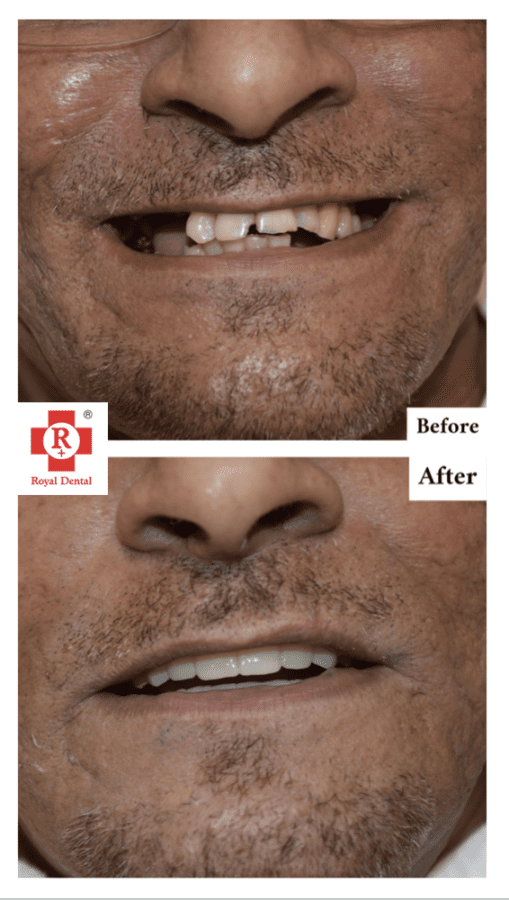
Prosthodontics and Full-Mouth Rehabilitation
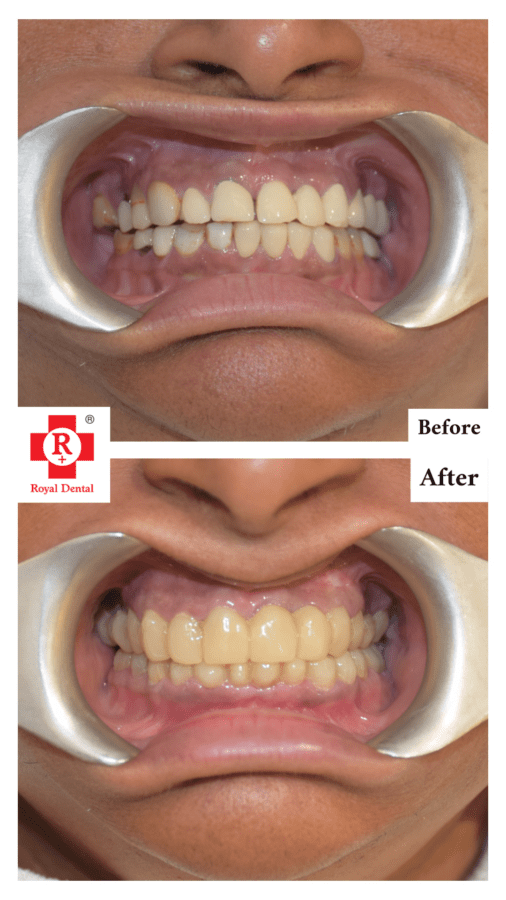
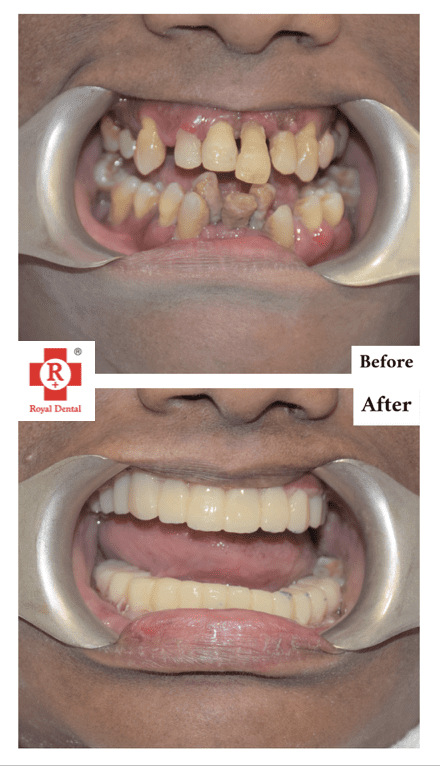
The balance between science and art becomes particularly important during full-mouth rehabilitation. The dentist may need to restore several worn, damaged or missing teeth while rebuilding a comfortable and stable bite. Scientific planning helps determine jaw relationships, available space, chewing forces and suitable restorative materials. Artistic planning helps establish tooth length, smile design, facial support and natural appearance. The treatment must not only look attractive in photographs. It should also allow the patient to chew, speak and maintain the restorations comfortably.
Dental Surgery Also Requires Artistic Skill
Procedures such as dental implant placement and oral surgery are primarily guided by anatomy, imaging, surgical principles and patient safety. However, visual judgement and three-dimensional understanding remain important. An implant must be placed according to the available bone, but its position should also permit the final tooth to emerge naturally from the gums. Similarly, gum and bone contours may influence the appearance of the final restoration. Surgical accuracy and restorative planning must therefore work together from the beginning rather than being treated as separate stages.
Technology Supports but Does Not Replace the Dentist
Digital scans, smile-design software, CAD-CAM restorations, guided surgery and artificial intelligence can improve measurement, visualisation and efficiency. These technologies provide valuable information, but they do not automatically produce the right treatment plan. The dentist must still interpret the findings, recognise limitations and adapt the treatment to the patient’s clinical condition. Technology can support precision, but professional judgement, communication and manual skill remain essential.
Conclusion
Dentistry is a scientific healthcare profession practised with technical and artistic skill. Science allows the dentist to diagnose disease, understand risk and select suitable treatments. Art helps restore the natural form, colour, proportion and character of the teeth. The best dental results occur when scientific evidence, clinical experience, precision and aesthetic understanding are combined according to the individual needs of the patient.
FAQs
Is dentistry considered an art or a science?
Dentistry is both. Diagnosis, disease prevention and treatment planning are based on science, while restoration of natural tooth shape, colour and smile harmony requires artistic judgement and manual skill.
Why does a dentist need artistic ability?
Artistic ability helps a dentist reproduce natural anatomy, select appropriate shades and design restorations that complement the patient’s smile and facial features.
Is cosmetic dentistry more artistic than general dentistry?
Cosmetic dentistry may require greater attention to colour and smile design, but it must still follow scientific, biological and functional principles. General dentistry also requires considerable visual judgement and manual skill.
Can digital technology replace artistic dental skills?
Digital technology can improve planning and accuracy, but it cannot completely replace clinical judgement, patient communication and the dentist’s understanding of natural aesthetics.
Is every dentist likely to produce the same result?
No. Dentists may differ in experience, treatment philosophy, technical ability and aesthetic judgement. The patient’s oral condition and selected materials can also influence the final result.