
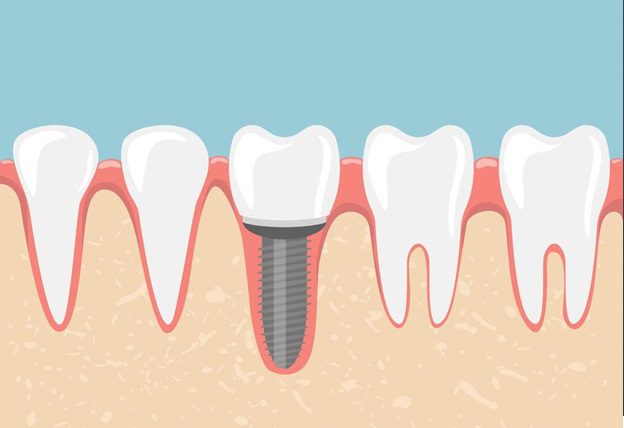
When it comes to the world of cosmetic surgery, there is a lot that goes into making procedures successful. From pre-op preparation to post-op care and recovery, there are many factors that can have an impact on the final outcome of your procedure. To that end, when you’re exploring your options for dental implants, it’s important to consider how you can make them as sustainable as possible. After all, these procedures can be expensive and time consuming. You want to ensure that your investment is worthwhile in the long run. Whether you’re planning on getting implants or cosmetic treatment, it is essential to see its effect on before and after surgery. Speak to your oral surgeon for more details on Dental Implant sustainable solutions.
How Can You Make Dental Implant Sustainable?
Making a dental implant “sustainable” means protecting the implant, surrounding gums, supporting bone and implant-supported teeth for the long term. Dental implants cannot be guaranteed to last for life, but proper planning, daily cleaning and regular professional maintenance may reduce the risk of biological and mechanical complications.
Long-term implant care begins before surgery. Existing gum disease, tooth decay and uncontrolled infection should be treated, while factors such as diabetes, smoking, teeth grinding and oral-hygiene ability should be assessed. The implant must also be positioned correctly and restored with a crown or bridge that allows effective cleaning.

Maintain Good Oral Hygiene
Plaque can collect around implants and cause inflammation known as peri-implant mucositis. Without timely care, inflammation may progress to peri-implantitis, which involves loss of supporting bone. Patients should brush twice daily and clean beneath and around the implant crown or bridge using an interdental brush, floss threader or water flosser recommended by their dentist. The cleaning method depends on whether the implant supports a single crown, bridge or full-arch prosthesis.
Avoid Smoking and Tobacco
Smoking can impair healing and increase the risk of complications around dental implants. Patients should ideally stop smoking before implant placement and avoid restarting afterwards. Tobacco cessation also benefits general, gum and oral health.
Control Teeth Grinding
Clenching or grinding may place excessive force on implant crowns, bridges and their connecting components. Patients with bruxism may require bite correction, prosthetic adjustments or a customised nightguard.
Protect the Implant-Supported Teeth
Implant teeth should not be used to open packages, crack hard shells or bite very hard objects. Although implants are strong, the crown, bridge, screw or veneering material can wear, loosen or fracture and may require maintenance.
Report Warning Signs Early
Early inflammation around an implant may be more manageable than advanced peri-implantitis. Good plaque control and professional maintenance are central to preventing and managing peri-implant disease.
- Bleeding or swelling around the implant
- Persistent bad taste or discharge
- Pain while chewing
- Gum recession
- A loose crown or bridge
- Food repeatedly collecting around the implant
- A change in the bite
Research your Oral surgeon and choose wisely
The first thing you’ll want to do is make sure you research your oral surgeon. This is especially important when it comes to implants because it can have a significant impact on the sustainability of the procedure. Your surgeon’s technique, experience level, and reputation are all things you will want to take into consideration. If you’re new to the world of cosmetic treatment, it can be helpful to seek out a surgeon who is experienced in zygomatic implants. This way, you can ensure that your procedure is as safe and successful as possible. Alternatively, if you’ve already had zygomatic implants done and they’re beginning to fall apart, you may want to seek out a more experienced surgeon who can help you fix the issue.
Have a healthy diet and exercise routine!
Another way you can enhance the sustainability of your zygomatic implants is by taking care of your health and diet. A lot of this will depend on the type of implants you have. Nonetheless, there are a few things you can do to increase the longevity of your zygomatic implants. By taking care of your health and diet, you can limit how much your implants are put under strain. This will help ensure that they last as long as possible. One thing you’ll want to do is avoid smoking and drinking.
Both of these activities can have a significant impact on the longevity of your implants. Smoking, in particular, has been shown to reduce the lifespan of zygomatic implants. Your implants can become more brittle, less flexible, and prone to breakage as a result of smoking.



Location of Dental Implant by Oral Surgeon
Implants in the posterior region receive more pressure due to chewing than those placed in the front. So they may fail more quickly than those at the front. An occlusal balance of the bridge post dental implants is the key to success of the entire dental implant treatment.
Other Medical Conditions with Dental Implant
Rheumatoid arthritis, diabetes, thyroid play a significant role in delaying the healing process of dental implant treatment. Delayed healing can prevent osseointegration leading to implant failure.
General Oral Health and Lifestyle
Patients who smoke are at a higher risk of implant failure than non-smokers. Before planning for dental implants oral cavity should be free from periodontal disease. If the implants placed in periodontally affected sites there are higher chances of acquiring perimucositis and periimplantitis. If one maintains oral hygiene by brushing and flossing dental implant will last longer.

Patient Habits leading to missing tooth
Tobacco may negatively affects the outcome of almost all dental procedures performed in the oral cavity. The failure rate of implant osseointegration is higher among smokers, and maintenance of oral hygiene around the implants and the risk of failure are adversely affected by smoking. Though titanium has high fracture resistance, habits such as bruxism or night clenching or chewing tobacco negatively affect the life span of a dental implant.
When it comes to cosmetic or dental treatment, it is important to consider how you can make them as sustainable as possible. Whether you’re planning on getting zygomatic implants as part of a broader rhinoplasty or just for standalone purposes, you want to make sure that they last as long as possible. One way to do this is by researching your surgeon and choosing the right type of implant. You will also want to make sure that you have a healthy diet and exercise routine, find the best location for your incision, and take any post-op care instructions seriously.
Conclusion
The longevity of a dental implant depends on more than the implant material. Correct diagnosis, suitable implant positioning, healthy gums, a cleansable prosthesis, controlled bite forces and regular follow-up all contribute to long-term success. A dental implant should therefore be considered a long-term medical and dental restoration that requires lifelong care—not a maintenance-free or guaranteed permanent tooth.
FAQs
How often should dental implants be professionally checked?
The review interval should be personalised according to gum health, medical history, smoking, previous periodontal disease, prosthesis design and cleaning ability. Many patients are reviewed every three to six months initially, but the treating dentist should determine the appropriate interval.
Can a dental implant last for life?
Some implants remain functional for several decades, but lifetime survival cannot be guaranteed. The implant, surrounding tissues and attached prosthesis may require monitoring, cleaning, repair or replacement.
Does an implant need cleaning if it cannot develop decay?
Yes. The implant itself cannot develop a cavity, but plaque can inflame the surrounding gums and supporting bone. The implant crown or bridge can also collect food and require professional maintenance.