
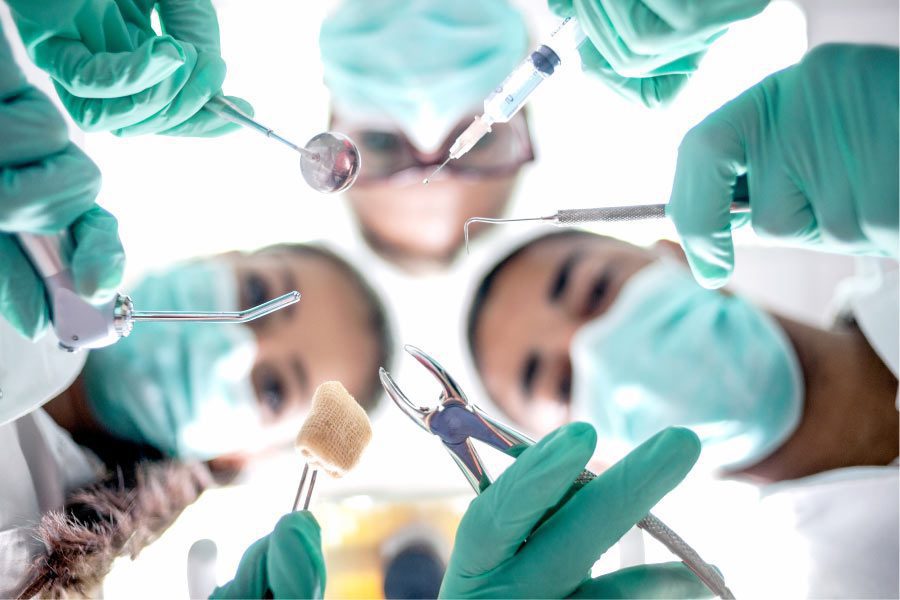
Oral and maxillofacial surgery deals with conditions affecting the mouth, jaws, face and associated structures. A patient may be referred to an oral and maxillofacial surgeon for impacted wisdom teeth, facial trauma, jaw deformity, oral pathology, dental implants, bone loss, temporomandibular joint disorders or reconstructive treatment. Choosing the right surgeon is important because the complexity of these procedures varies considerably. Qualifications matter, but patients should also consider the surgeon’s experience with their particular condition, the quality of diagnostic planning, the available surgical facilities and the support provided after treatment. Learn how to choose an oral and maxillofacial surgeon based on credentials, experience, hospital facilities, treatment planning and surgical safety.
Who is this Article For?
This article is for patients who have been advised oral and maxillofacial surgery and want to understand when this type of treatment may be needed. This blog helps patients understand that oral and maxillofacial surgery should be planned after proper consultation, X-rays or CT scans, medical history review, surgical evaluation, and recovery planning.
Who is an Oral and Maxillofacial Surgeon?
Oral surgeons are medical doctors who specialise in surgery of the head and face. They can treat everything from oral health problems like tooth decay or gingivitis, to facial trauma such as fractures or burns. OMFS is a combination of dental work, facial plastic surgery, and head and neck surgery—and it’s all done by one surgeon! A typical oral max surgery will involve removing teeth and/or gums, correcting jaw misalignment, or even reconfiguring the facial bones.
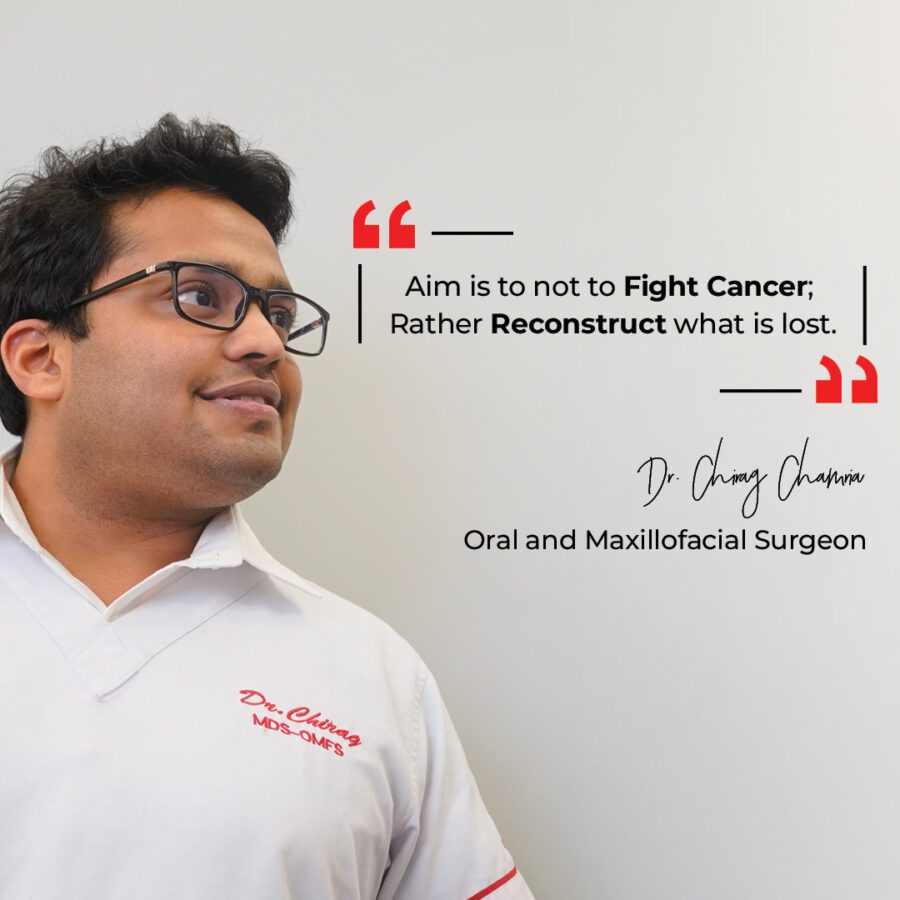
Ways a Maxillofacial Surgeon can achieve goals:
- Removing teeth and grafting the gums. When a patient’s teeth are too decayed to save, or if they have gum disease, the oral max surgeon will remove them. They can either extract them completely and replace them with false teeth, or simply remove the diseased gums and leave the teeth in place.
- Temporarily removing a section of jawbone and repositioning it. Jaw misalignment, also known as TMJ, is a common condition affecting millions of people. Oral max surgery can realign the jaw bone, correcting the problem and relieving the associated pain.
- Reconfiguring the facial bones. If a patient has a birth defect resulting in facial deformities, oral max surgery can help correct the issue. This can involve removing excess facial bone, shaving down other parts of the face, or even transplanting bone from another part of the patient’s body.
Why is OMFS becoming popular?
When cosmetic surgery first came into the mainstream in the 1990s, most people associated it with nose jobs and breast augmentations. This was largely due to the fact that these procedures were the most popular types of cosmetic surgery at the time—and they remain so to this day. In recent years, however, the number of people getting oral max surgery has been steadily rising. This is largely due to the fact that there are now a number of other procedures that can be done through oral max surgery. A few decades ago, it was pretty much limited to dental procedures. These days, though, you can get a variety of facial fixes performed through oral surgery.
Confirm the Surgeon’s Qualifications
In India, look for a surgeon who has completed an MDS in Oral and Maxillofacial Surgery after obtaining a dental degree. Patients may also verify the surgeon’s professional registration, hospital affiliations, additional training and membership of recognised professional organisations. Qualifications alone do not establish expertise in every type of procedure. A surgeon who frequently manages impacted teeth may not necessarily have equivalent experience in facial trauma, orthognathic surgery, oral cancer reconstruction or complex implant rehabilitation.

Look for Experience Relevant to Your Condition
Ask how frequently the surgeon performs the procedure you require. Complex problems such as severe jawbone loss, facial fractures, jaw correction, oral tumours, zygomatic implants and post-cancer rehabilitation may require focused experience and coordination with other specialists. Useful questions include:
- How many similar cases has the surgeon treated?
- What treatment alternatives are available?
- Can relevant case examples be explained?
- Will other specialists be involved?
- How will complications be managed?
The surgeon should explain the expected benefits and limitations without guaranteeing an unrealistic result.
Evaluate the Diagnostic and Treatment-Planning Process
A proper consultation should include a clinical examination and an assessment of relevant medical and dental history. Depending on the condition, the surgeon may recommend dental X-rays, CBCT imaging, CT scans, photographs, digital impressions or blood investigations. The diagnosis, available treatment options, surgical risks, type of anaesthesia, expected recovery and approximate costs should be explained before consent is obtained. Be cautious if major surgery is advised without adequate examination or imaging.

How to Choose Oral Maxillofacial Surgeon in Mumbai?
How to Choose Oral Maxillofacial Surgery is important for patients who have concerns related to the mouth, teeth, jaw, face, or surrounding structures. The right treatment should be planned only after proper consultation, clinical examination, medical history review, X-rays or CT scans, and surgical evaluation. Patients should choose an oral and maxillofacial surgeon based on qualification, surgical experience, case planning, clinic setup, communication, recovery guidance, and follow-up care so that the procedure is planned safely and clearly.
Consider Communication and Follow-Up Care
A good surgeon should listen carefully, explain the diagnosis in understandable language and allow the patient to ask questions. You should receive clear instructions about medicines, diet, oral hygiene, activity restrictions and warning signs after surgery. Confirm whom to contact if unexpected pain, bleeding, fever, breathing difficulty or increasing swelling develops. Accessible postoperative care is especially important after complex procedures.
When Should You Seek a Second Opinion?
Consider another opinion when the diagnosis remains unclear, multiple treatment choices are available, extensive surgery has been recommended or you do not fully understand the proposed procedure. A second opinion may also be valuable for oral cancer, major jaw correction, nerve-related procedures, extensive bone reconstruction and complex implant treatment. Seeking another opinion does not necessarily mean that the original recommendation was incorrect. It can help you understand the alternatives and make a better-informed decision.
Conclusion
Oral and maxillofacial surgery may be needed for patients with complex concerns related to the mouth, teeth, jaw, face, or surrounding structures. It may help in cases such as damaged teeth, severe gum problems, jaw misalignment, facial bone correction, facial trauma, birth-related deformities, or other surgical dental needs.
Choosing the right surgeon, preparing before surgery, following post-operative instructions, taking rest, and caring for the wound properly are important for safer healing and recovery.
FAQs
1. What is oral and maxillofacial surgery?
Oral and maxillofacial surgery is a specialised branch that deals with surgical treatment of the mouth, teeth, jaws, face, head, and neck region. It may include tooth removal, gum procedures, jaw correction, facial bone treatment, trauma care, and other complex oral surgery needs.
2. When is oral and maxillofacial surgery needed?
It may be needed when a patient has impacted or damaged teeth, severe gum problems, jaw misalignment, facial trauma, jaw pain, facial deformity, bone concerns, or complex dental conditions that cannot be managed with routine dental care alone.
3. How do I choose the right oral and maxillofacial surgeon?
Patients should choose a surgeon based on qualification, surgical experience, case planning, communication, clinic setup, scan-based diagnosis, and follow-up care. The surgeon should explain the procedure, risks, recovery, cost, and expected healing before treatment.
4. What tests may be needed before oral surgery?
Before oral and maxillofacial surgery, the surgeon may advise X-rays, CT scans, blood tests, medical history review, and other pre-surgery evaluations. These tests help understand the patient’s bone, teeth, jaw, health condition, and surgical suitability.
5. How long does recovery take after oral and maxillofacial surgery?
Recovery time depends on the type of surgery, patient’s health, wound healing, and post-operative care. Some procedures may heal within a few days, while more complex jaw or facial surgeries may need a few weeks of recovery and follow-up care.
6. What should I do after oral and maxillofacial surgery?
Patients should rest, take medicines as prescribed, avoid strenuous activity, follow diet instructions, maintain oral hygiene carefully, and take care of the surgical wound as advised by the surgeon. Follow-up visits are important to check healing.
7. When should I contact the surgeon after surgery?
Patients should contact the surgeon if they notice severe pain, increasing swelling, bleeding, fever, pus, bad smell, breathing difficulty, wound opening, numbness, or any unusual discomfort. Early reporting helps the dental team manage complications quickly.