
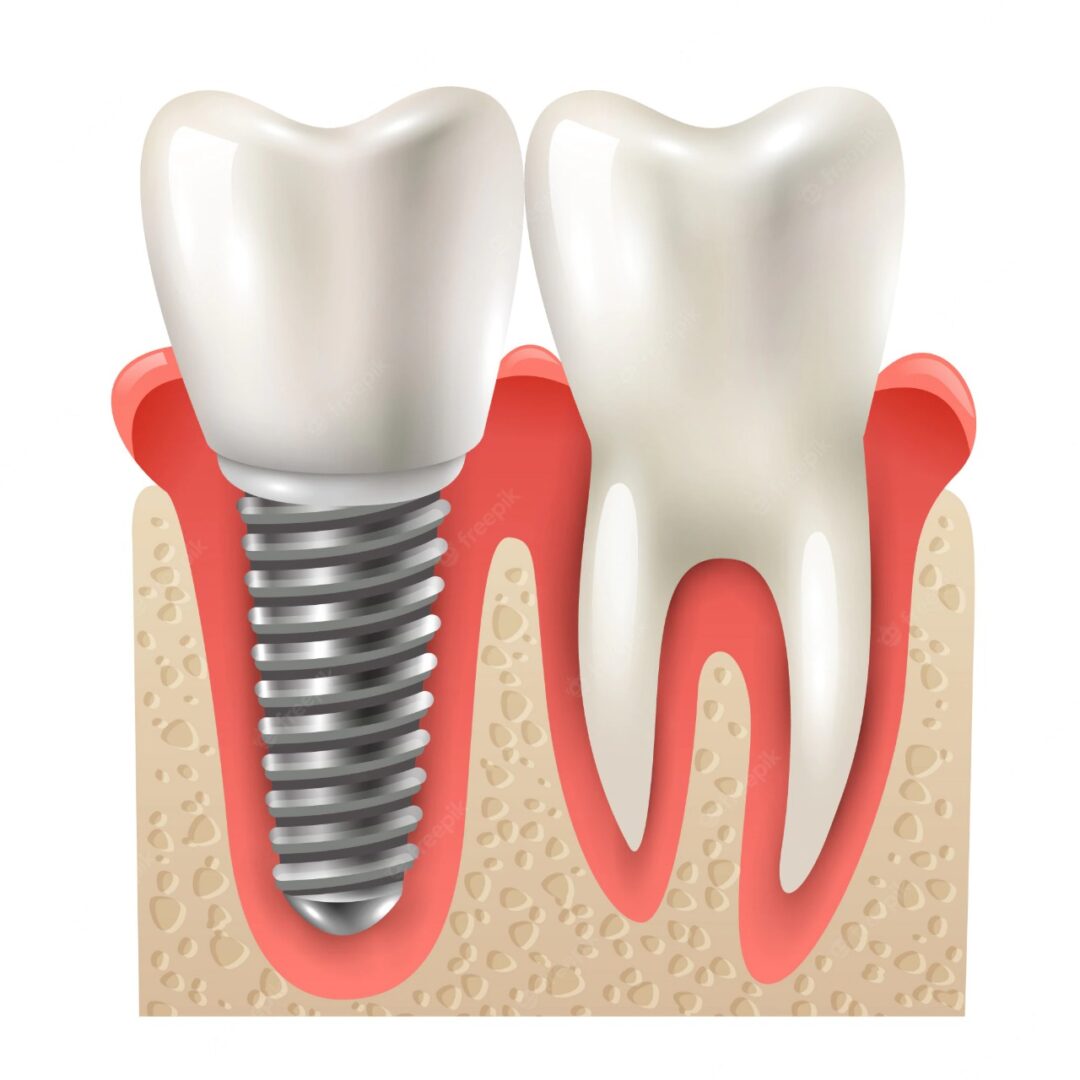
When you lose your natural teeth, you may be left with gaps in your smile and a negative self-image. Fortunately, modern dentistry offers several alternatives to natural teeth that are more or less reliable, practical and affordable. One of the most popular procedures is dental implants. Know more about Shock absorbable permanent teeth for restoration.
Implant dentistry has grown in popularity in recent years as people learn more about it and understand its benefits. However, many people still have concerns on implants vs traditional dentures. In this article, we’ll tackle some questions about implants vs dentures. You explained the advantages of each option to help make informed decision about which one is right for you.
Who is this article for?
This article is for patients who want to know whether dental implants are as strong as natural teeth. It is also useful for patients comparing implants with dentures, bridges, SAPTeeth™, zirconia crowns, or full-mouth fixed teeth.
Are dental implants as strong as natural teeth?
Dental implants can provide strong support for fixed teeth, but they are not exactly the same as natural teeth. Natural teeth have a periodontal ligament that absorbs shock. Implants are fixed directly into bone, so bite forces must be planned carefully.
What affects implant strength?
Implant strength depends on bone quality, implant position, number of implants, bite force, crown material, gum health, hygiene, medical health, and follow-up care. The crown or bridge over the implant also affects chewing comfort and durability.
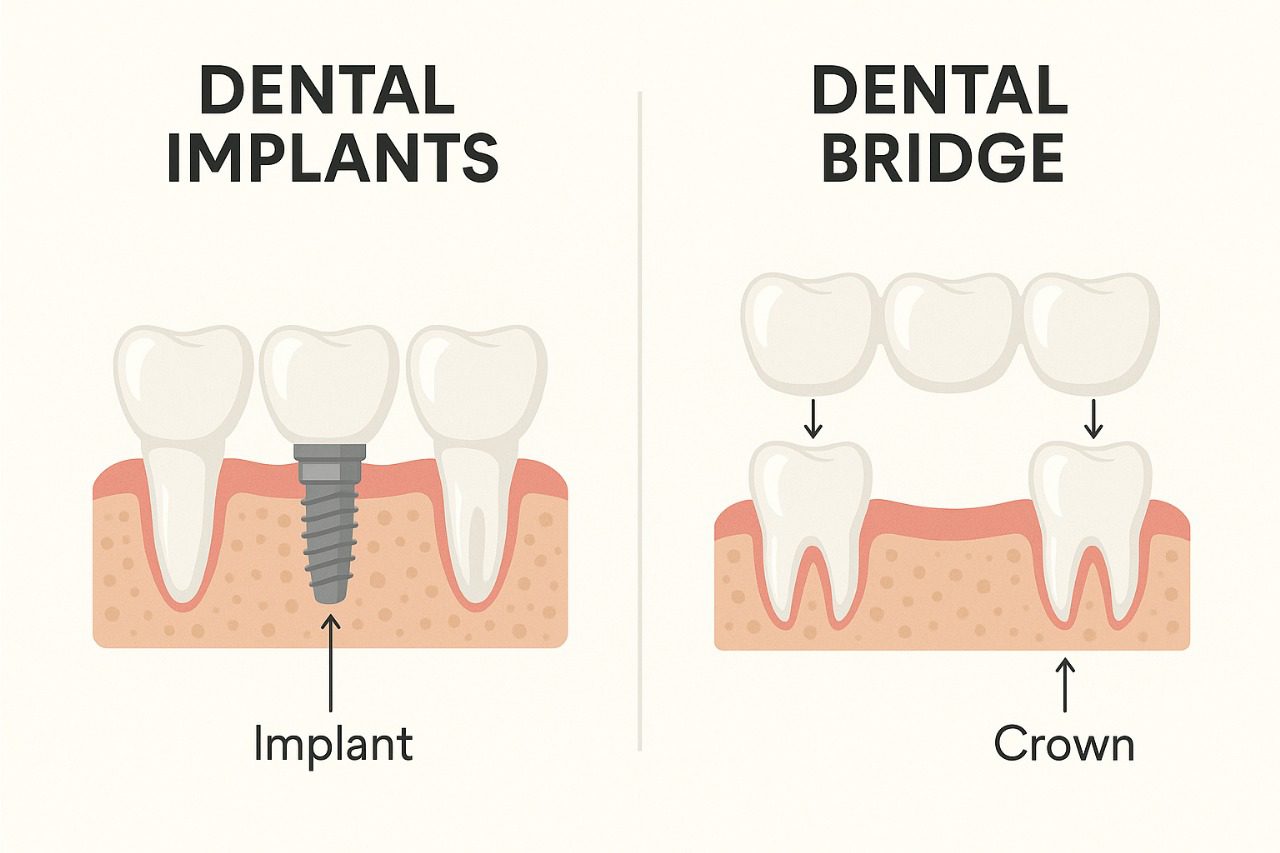
What are Dental Implants?
Dental implants are artificial roots that are surgically placed into the jawbone. These roots a base for false teeth (often called dentures or dental plates) to in place. Unlike dentures, implants do not shift around or fall out. They provide a natural-looking, long-lasting solution to tooth loss.
How do Dental Implants Work?
The first step in treating implants is to remove the diseased tooth(s) and create an opening in the gum. Then, the new implants inserted into the gum and the jawbone, where they fuse with the surrounding tissues over time. After the implant(s) has (have) integrated with the jawbone, a dental prosthetic (false teeth) to them.
Pros of Dental Implants
Dental implants offer a number of benefits that make them an excellent solution for tooth loss. The advantages of dental implants include:
- Natural-looking teeth: Unlike dentures, implants look like real teeth and are virtually indistinguishable from natural teeth. Furthermore, no need for daily cleaning: Unlike dentures, screws don’t require daily or weekly cleaning. This is helpful for people who have dexterity issues or those who don’t like cleaning their teeth.
- Stronger support: Unlike dentures, dental implants provide a strong foundation for false teeth. This makes them an excellent option for people who have a high risk of losing their teeth or who have existing dental issues.
- No risk of food getting stuck: Unlike dentures, implants don’t have loose parts or crevices where food can get stuck. This helps to prevent oral disease and bad breath.
- Easier to clean: Dental implants fixed to the jawbone and don’t move around like dentures do. However, this makes them easier to clean and provides better oral health overall.
Cons of Implants despite shock absorbable permanent teeth
While dental implants are a valuable solution to tooth loss, they do have a few disadvantages. A significant downside of dental implants is the cost. The upfront cost of dental implants is generally much higher than the cost of dentures. The length of treatment and the degree of dental health required are two factors that can affect the cost of dental implants.
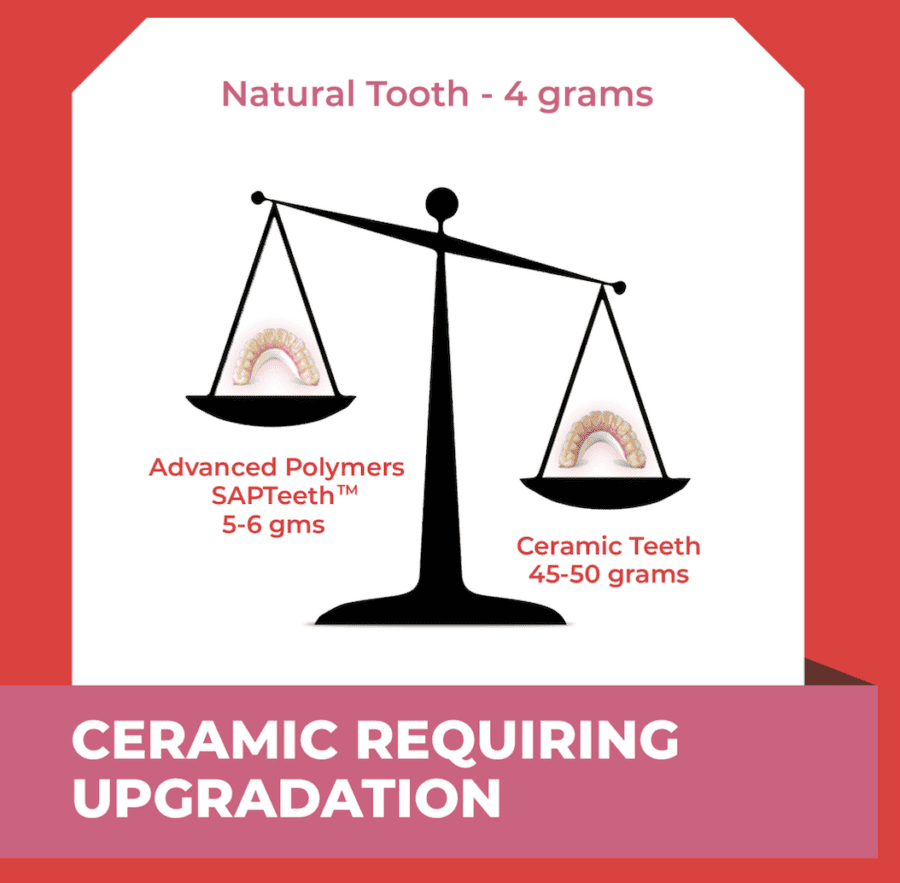
Shock Absorbable Permanent Teeth
SAPTeeth or Shock Absorbable permanent Teeth a group of highly advanced polymers which made to protect the bone, implant and the natural tooth under the prosthesis. Based on research it can be understood that ceramic teeth, porcelain teeth, metal teeth, titanium teeth and many more exert stress on the bone that are about 24 to 149 times more than SAPTeethTM. This difference is due to the shock absorbing capability of these polymers.
Characteristics of Shock Absorbable Permanent Teeth
SMART: Processed by complete digital workflow.
CLEAR: A transparent variety of 3D-printed.
BOND: Tooth & implant bonded with each other.
UNIVERSAL: Wear-tear time ranging from 6 months to 18 years.
DEFINITIVE: An elegant solution for framework material.
Denture Advantages
Dentures are a removable dental appliance that is commonly used to treat tooth loss. They are a quick and relatively inexpensive treatment that can be completed in a short amount of time. Like dental implants, dentures can be used as a long-term solution to tooth loss. However, they are generally not as strong as dental implants and may require more frequent cleaning and denture repairs.
It’s important to remember that not all dental implants vs. dentures compares. There are many factors that can affect the outcome of any specific patient. It is important to discuss your dental needs and goals with your dentist to determine which treatment option is best for you.
Conclusion to dental implants
Dental screws are an excellent long-term solution for tooth loss, but they are often more expensive than a dental prosthetic (denture). The cost, duration of treatment, and strength of each treatment option should be considered when making a decision between dental implants vs. dentures. Additionally, those should be aware that this treatment suitable for everyone. Implants are best for people who have sufficient jawbone density and healthy gums. People who these requirements suited for dental prosthetics.
FAQs
Can I chew normally with dental implants?
Many patients can chew comfortably after healing, but heavy chewing should begin only when the dentist confirms stability.
Can implants break?
Implants are strong, but implant crowns, screws, or prostheses can chip, loosen, or break under excessive force.
Are implants stronger than dentures?
Implants usually provide better stability than removable dentures in suitable patients.
Do implants need maintenance?
Yes. Implants need brushing, cleaning around the prosthesis, bite checks, and regular follow-up.