Your smile is more than just a collection of pearly whites; it’s a window to your health and a powerful tool for expressing yourself. But a dazzling grin doesn’t come naturally or stay bright forever. The good news? Maintaining excellent oral health isn’t about expensive treatments or complicated procedures. It’s about incorporating a few simple habits into your daily life.
These habits go beyond just brushing twice a day (although that’s certainly crucial!). By understanding how your diet, lifestyle choices, and even the water you drink affect your teeth and gums, you can cultivate a comprehensive oral hygiene routine that keeps your smile healthy, strong, and confident for years to come. So, ditch the fear of the dentist’s chair and embrace these 7 powerful habits to unlock a lifetime of happy, healthy smiles!
Why Are Good Dental Habits Important?
Maintaining good oral hygiene is crucial for a number of reasons, including:
- By eliminating plaque and bacteria that can cause cavities, regular brushing, flossing, and dental examinations can help prevent tooth decay.
- Maintaining good dental hygiene can also help ward off gum disease, which, if ignored, can cause major health problems.
- By minimizing the accumulation of bacteria that can lead to bad breath, maintaining healthy oral hygiene helps you breathe more easily.
- General health and oral health are closely related. Heart disease, diabetes, and lung infections are just a few of the systemic illnesses that have been connected to poor dental hygiene.
These are seven good dental practices that everyone has to be aware of:
- To get rid of plaque, germs, and food particles, brush your teeth using fluoride toothpaste at least twice a day.
- Flossing gets rid of food particles and plaque that your toothbrush might miss in between your teeth and along the gum line.
- To help lower plaque, stop gum disease, and freshen your breath, rinse with an antibacterial mouthwash.
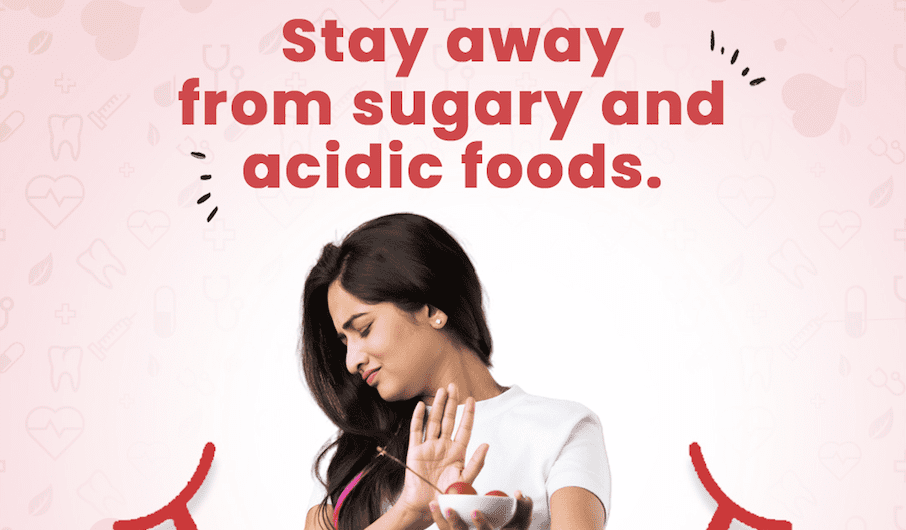
- Eat less acidic and sugary foods and drinks, as these might aggravate tooth decay. Rather, concentrate on consuming a well-balanced diet full of dairy, fruits, and vegetables, as well as lean proteins.
- Saliva production is aided by water, which also helps wash away food particles and prevent dry mouth, both of which are critical for maintaining dental health.
- If the bristles on your toothbrush are frayed, replace it within three to four months. Your toothbrush will not clean your teeth as well if it is worn out.
- Get professional dental treatment to keep a healthy smile and schedule routine dental check-ups and cleanings to identify any issues with your oral health early on.
Rinse with fluoridated water | Dental Health
Most people don’t realize that brushing alone isn’t enough to keep your teeth clean. You also need to clean the spaces between your teeth, where harmful bacteria can accumulate and lead to gum disease and tooth decay. To do this, you need to floss daily and rinse your mouth with regular water. However, if you live in an area with fluoridated water, you can also use that water to rinse your mouth.
By doing so, you can strengthen your teeth and prevent tooth decay. There are many ways to do this, but the most effective is to use a mouthwash that has fluoride in it. This will help to keep your teeth clean and strong, and prevent tooth decay and gum disease. There are many brands of mouthwash available, so you can pick the one that best meets your needs and preferences.
Conclusion
In summary, maintaining the best possible oral health requires implementing these seven dental hygiene practices. The most important things to do are routine dental exams, brushing, and flossing. For general oral wellness, Dr. Chirag Chamria stresses the significance of eating a balanced diet, avoiding tobacco products, and limiting sugary snacks. Not only can incorporating these behaviors improve your smile, but it also benefits your general health and well-being. Always remember that prevention is vital, and by being proactive now, you can avoid future dental problems that could be expensive. Make taking care of your teeth a priority today to ensure a healthier and happier tomorrow.