The prospect of gum recession can be a cause for concern, not just for your oral health but also for your wallet. As gums pull back, they expose sensitive tooth roots, potentially leading to pain, decay, and even tooth loss. The good news is that various treatments are available to restore your gum line and protect your smile. But what will it cost you? Navigating the expenses of gum recession treatment in India can feel overwhelming. This blog post will provide a comprehensive overview of the different treatment options and their associated costs, helping you make an informed decision about your dental care without any hidden surprises.
Who Is This Article For?
- How much gum recession treatment costs in India
- Whether gum graft surgery is necessary
- The difference between deep cleaning and gum grafting
- Whether laser treatment can correct receding gums
- Why treatment prices differ between patients
- What questions to ask before accepting a treatment plan
How Much Does Gum Recession Treatment Cost in India?
The approximate cost of treating gum recession in India may range from ₹1,500 for basic periodontal treatment to ₹60,000 or more for complex grafting or full-mouth gum procedures. Indicative treatment ranges include:
- Routine scaling and professional cleaning: ₹700–₹3,000
- Deep cleaning or scaling and root planing: ₹1,500–₹6,000 for the treated area or quadrant
- Treatment for tooth sensitivity: ₹1,000–₹5,000 per tooth, depending on the procedure
- Periodontal flap surgery: ₹5,000–₹16,000 per quadrant
- Full-mouth periodontal flap treatment: ₹20,000–₹60,000
- Gum grafting for one tooth or a small area: ₹8,000–₹25,000
- Complex or multiple-tooth gum grafting: ₹25,000–₹60,000 per quadrant
- Laser-assisted gum treatment: ₹10,000–₹25,000 for a selected area
- Full-mouth laser gum treatment: ₹15,000–₹40,000
- Pinhole, tunnel or similar root-coverage procedures: ₹15,000–₹50,000 for a treated area or quadrant
What Is Gum Recession?
Gum recession occurs when the gum margin moves away from its normal position and exposes more of the tooth or its root. The exposed portion may appear darker or more yellow than the visible crown because tooth roots are not covered by enamel in the same way as the upper portion of the tooth. Exposed roots may become sensitive and more vulnerable to root decay. Recession may also affect appearance, gum stability and the long-term support around the tooth. Gum recession may affect:
- A single tooth
- Several neighbouring teeth
- The front teeth
- The back teeth
- The outer or inner surfaces of teeth
- Most or all teeth in advanced cases
What Causes Gum Recession?
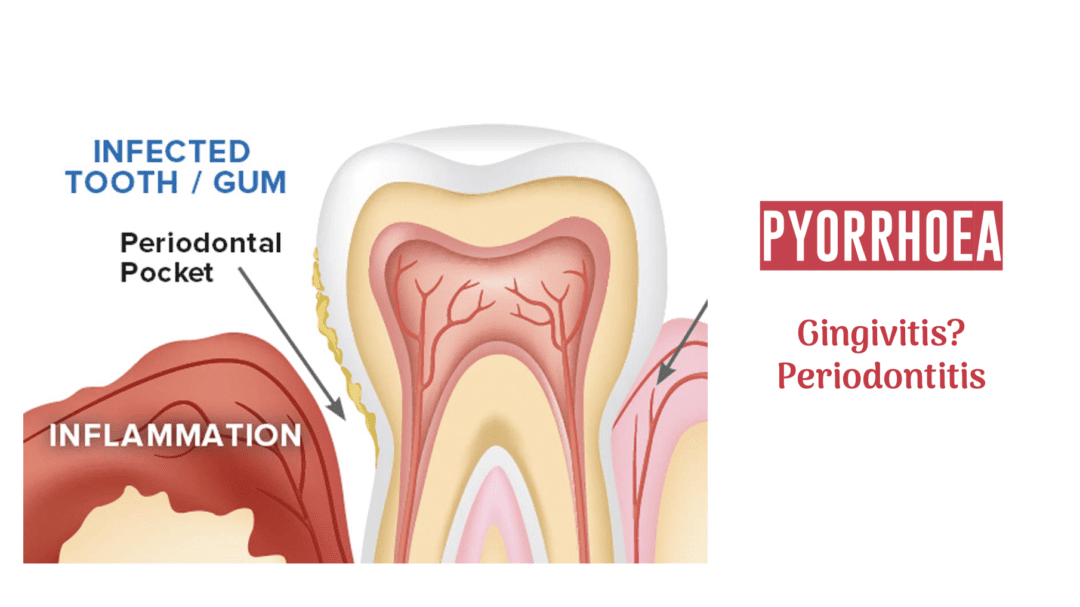
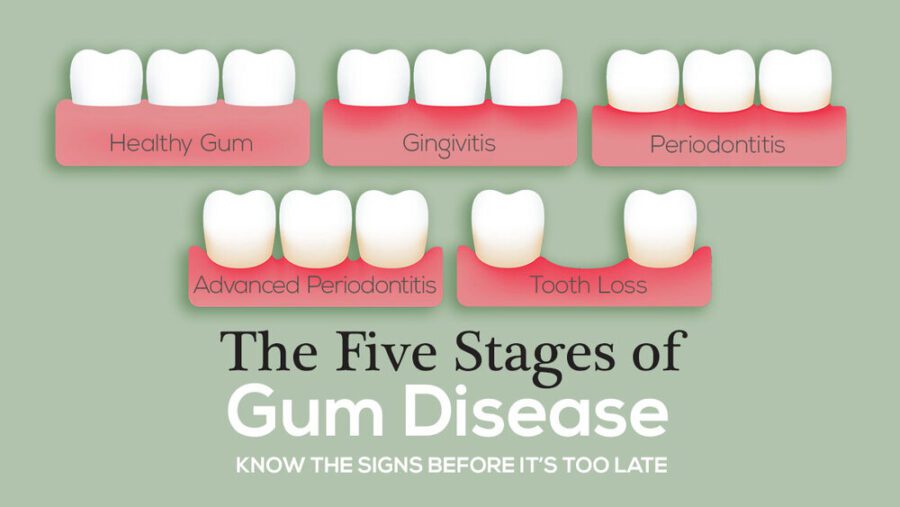
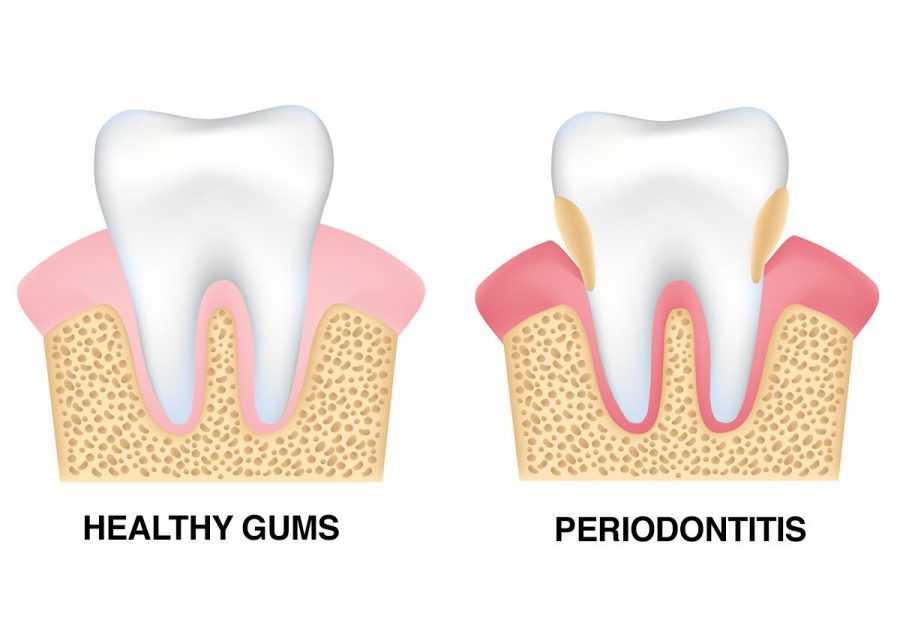
Gum recession and tooth loss if left untreated are the most frequent causes of gum disease, also known as periodontal disease, which is caused by bacteria infecting the gum tissue and bone that supports the teeth. Recession can result from over-scraping or using a toothbrush with harsh bristles, which gradually wears down the gum tissue.
Genetic predispositions to weak or thin gum tissue may increase a person’s risk of recession. Gum disease and recession can be exacerbated by inadequate brushing, flossing, and dental checkups. Changes in hormones throughout adolescence, pregnancy, and menopause might have an impact on gum health and raise the possibility of recession.
Gum recession and gum disease can be exacerbated by smoking or using tobacco products. Inadequately positioned teeth can lead to difficult-to-clean regions, which raises the risk of recession and gum disease. Over time, recession of the gums can result from bruxism, which is the habitual grinding or clenching of teeth.
What is Gum Replacement Surgery?
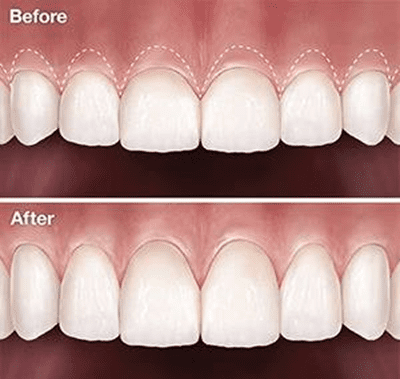
Gum recession is treated with gum replacement surgery, sometimes referred to as gum transplant surgery. Your teeth’s exposed roots can cause pain, decay, and even tooth loss as your gums recede. During gum graft surgery, tissue from another area of your mouth—typically the roof—is attached to the damaged area. This aids in restoring the gum line and hiding the exposed roots.
Grafts come in several forms, each suitable for a particular purpose, such as pedicle grafts, free gingival grafts, and connective tissue grafts. Your smile will look better after the procedure, and your teeth will be shielded from future harm.
gum recession treatment?
The term “gum recession treatment” describes the range of methods and techniques used to treat gum recession, a condition in which the gum tissue around the teeth recedes or wears away, exposing the tooth roots. If you don’t treat this, you can experience problems like tooth sensitivity, decay, and even tooth loss. Gum recession treatment aims to:
- Determining and treating the underlying cause of gum recession, which may be caused by misaligned teeth, vigorous brushing, periodontal disease, or heredity.
- Gum grafting is one technique where tissue from other parts of the mouth is attached to the receding gum line to hide exposed tooth roots.
- By removing plaque and tartar from the teeth and roots, procedures like scaling and root planing aid in gum healing and stop further recession of the gums.
- To avoid future gum recession, Dr. Chirag Chamria may suggest making adjustments to your dental hygiene routine, such as switching to a softer toothbrush and employing the right brushing techniques.
Does Every Patient With Gum Recession Need Surgery?
No. Gum recession does not automatically require surgery.
Mild and stable recession may sometimes be managed by:
- Correcting the brushing technique
- Using a soft-bristled toothbrush
- Treating gum inflammation
- Removing plaque and tartar
- Using sensitivity-control products
- Correcting a traumatic filling or crown
- Monitoring the area over time
- Managing bite-related or orthodontic factors
Surgery may be considered when:
- Recession is progressing
- A large portion of the root is exposed
- Sensitivity remains difficult to control
- The gum tissue is extremely thin
- Root decay is developing
- The patient is unhappy with the appearance
- The tooth lacks sufficient protective gum tissue
- Recession may compromise future restorative or orthodontic treatment
Does Gum Graft Surgery Hurt?
The surgical area is generally numbed with local anaesthesia during the procedure. Patients may experience soreness, swelling or minor bleeding afterward. Discomfort may be greater when tissue is collected from the roof of the mouth because both a donor site and a recipient site must heal. Your dentist may provide instructions regarding:
- Pain medication
- Antibacterial mouthwash
- Soft foods
- Activity restrictions
- Cleaning the surrounding teeth
- Avoiding brushing over the graft
- Follow-up appointments
How Long Does Gum Graft Healing Take?
Initial recovery commonly takes approximately one to two weeks, although the tissue continues to mature beyond this period.During early healing, patients may be advised to:
- Avoid brushing directly over the graft
- Avoid pulling the lip to inspect the area repeatedly
- Eat soft, cool foods
- Avoid hard, crunchy and spicy foods
- Avoid smoking and tobacco
- Avoid strenuous exercise
- Take prescribed medicines correctly
- Attend scheduled follow-up appointments
Frequently Asked Questions About Gum Recession Treatment Cost
What is the cost of gum recession treatment in India?
The approximate cost may range from ₹1,500 for basic periodontal care to ₹60,000 or more for complex gum grafting involving several teeth.
The final amount depends on the procedure, number of teeth, materials and severity of the recession.
How much does gum grafting cost for one tooth?
Gum graft surgery for one tooth or a small isolated area may approximately cost ₹8,000–₹25,000.
The cost can be higher when specialised graft material, multiple surgical sites or additional procedures are required.
Can receding gums be treated without surgery?
Mild and stable recession may sometimes be managed without surgery by correcting brushing, controlling gum disease, treating sensitivity and monitoring the area.
Non-surgical treatment generally does not recreate a substantial amount of lost gum tissue.
Can gums grow back after deep cleaning?
Deep cleaning can reduce inflammation and help improve gum health, but it does not usually make significantly receded gum tissue grow back over an exposed root.
Is laser treatment better than gum grafting?
Laser treatment and gum grafting serve different purposes.
A laser may assist in treating inflamed or infected gum tissue. Gum grafting or tissue repositioning is generally considered when the objective is to add gum thickness or cover an exposed root.
Is gum graft treatment permanent?
Gum grafting can provide long-term improvement, but recession may recur if the underlying cause continues.
Long-term stability depends on brushing technique, gum health, tooth position, smoking status, maintenance and individual healing.
How many teeth can be grafted in one appointment?
Several neighbouring teeth may sometimes be treated during one procedure. The number depends on the size of the area, graft source, technique, patient comfort and clinical complexity.
Will gum grafting stop tooth sensitivity?
Covering an exposed root may reduce sensitivity, but improvement varies. Sensitivity may also be caused by cavities, cracks, enamel wear or other dental conditions that require separate treatment.
Does dental insurance cover gum recession treatment?
Coverage varies between insurance policies. Patients should ask their insurer whether periodontal treatment, gum surgery, diagnostic imaging and graft materials are included or excluded.
The clinic can provide a written diagnosis, treatment plan and estimate where required.
Should I choose treatment based on the lowest price?
No. Confirm whether different estimates refer to the same procedure, number of teeth, graft material, anaesthesia and follow-up care.
A lower quotation may cover only one tooth or one part of the treatment.
© All rights reserved by Royal Dental Implants Pvt Ltd
Issued in public interest