Quick answer
Food cannot make a child immune to cavities, but eating patterns can make tooth decay less likely. Water, balanced meals, tooth-friendly snacks, and fewer frequent sugary exposures work together with fluoride toothpaste, brushing, and dental visits.
Table of Contents
Who this guide is for
This guide is for parents and caregivers who want to support children’s teeth through everyday meals and snacks. Online information can help you prepare for a conversation, but it cannot decide treatment suitability. Bring your medicines, medical history, previous records where available, and a clear description of the problem or goal. Here is the 5 Foods to Strengthen Your Kid’s Teeth.
Why this topic matters to patients
The practical benefit is not just a procedure or a search phrase. It is helping you make a decision that supports comfort, function, confidence, safety, and long-term maintenance. A good consultation should make the next step clearer, including when the right answer is to monitor, preserve a natural tooth, change the routine, or seek another specialist.
Children in their growing years should consume healthy and nutritious food for overall well-being and strength, helping keep Kid’s Teeth strong and healthy. Investing in early childhood nutrition is a surefire strategy, as including high-protein, fibrous foods in a child’s diet helps strengthen the immune system while also protecting Kid’s Teeth from decay and supporting proper development. Protecting Kid’s Teeth is just as important as protecting their overall health.
How food affects children’s teeth
Healthy Diet for Teeth
Cavity risk is influenced by what a child eats, how often the mouth is exposed to fermentable carbohydrates, saliva, fluoride, oral hygiene, and individual susceptibility. Bacteria use sugars and starches in food to produce acids. Repeated acid attacks can weaken enamel. The practical focus is not banning every sweet food. It is reducing frequent exposures, especially between meals and around bedtime, while helping the child brush effectively.
Diet plays a major role in keeping teeth healthy. The food items that we eat and how often we eat them can affect our general health as well as the health of our teeth and gums. The cause of tooth decay is attributed to bacteria in the oral cavity turning into sugar. These acids break down enamel and cause cavities. The PH of the oral cavity is 7. As soon as we consume carbohydrates like chocolates the PH becomes acidic within 10 minutes then becomes to the basic PH of around 8-9 after 20 minutes. In converse the acidic attack on our teeth consumes water within 10 minutes of alkaline foods.
These bacteria survive by utilizing sugar which we eat and form bacterial plaque which forms on the surface of teeth. If the plaque is not eliminated by saliva or brushing, the bacteria continue to turn these sugars into acids. To control the amount of sugar, some diet modifications have to be done for the right nutrition.
5 Foods to Strengthen Your Kid’s Teeth:
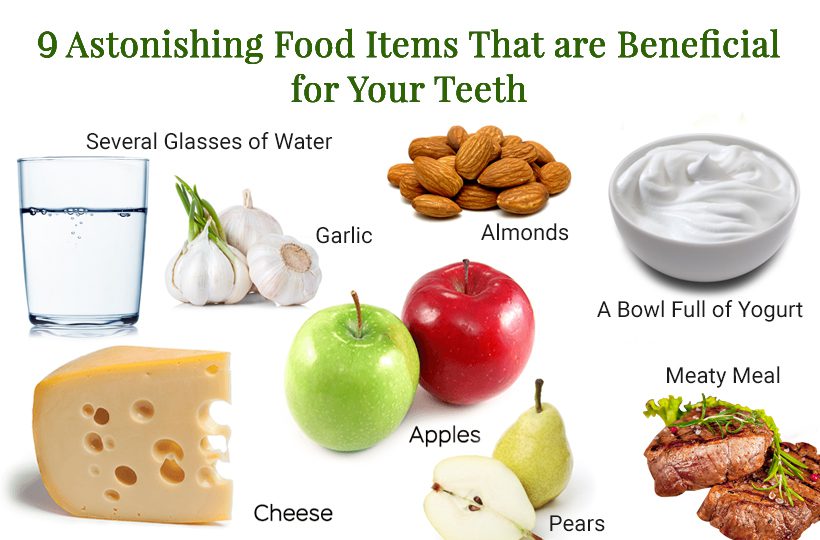
Offer balanced meals that include vegetables, fruit, dairy or suitable alternatives, protein, and whole grains. Cheese, plain yoghurt, and other calcium-containing foods may be useful parts of a balanced diet. Crunchy produce can be a useful snack for some children, but it does not scrub teeth clean or replace brushing. Water is the simplest everyday drink for most children. Children with allergies, restricted diets, or medical conditions need advice suited to them.
✅ Fibre rich fruits and vegetables
Fiber-rich fruits and vegetables help to keep your teeth and gums clean. They stimulate the salivary flow activating the natural defence mechanisms against cavities and gum disease. Saliva contains traces of calcium and phosphate thereby restoring minerals to the surface of the teeth that are lost due to bacterial attack.
✅ Cheese, milk, yogurt, celery and other dairy products
Cheese, milk, plain yogurt, celery, and other dairy products stimulate the salivary flow. The calcium in the cheese and calcium and phosphates in milk and other dairy products help to restore the mineral content of the teeth.
✅ Nuts and Seeds for Nutrition
Nuts and seeds contain natural fats that coat teeth and help shield against bacteria. The oils in the seeds help to strengthen enamel, making teeth more resistant to cavities. Sunflower seeds also have folic acid, a vitamin that reduces gum inflammation.
✅ Alkaline foods
Alkaline foods such as groundnuts, fennel seeds, and nuts tend to be more beneficial to your kid’s teeth health, even beyond your dental hygiene. The more acidic the food, the more corrosive they are to your kid’s teeth, so very acidic items should be avoided or consumed in moderation.
✅ Fluoride food contains minerals
Fluoride food contains minerals that help strengthen the teeth. It helps to prevent cavities. Benefits of fluoride include: remineralizing weakened tooth enamel, slowing down the mineral loss from the tooth, reversing early signs of tooth decay, and preventing the growth of harmful bacteria. Sources of fluoride- poultry products, powdered cereals, powdered juices without sugar, dehydrated soups for kids.
Here are the 5 Foods to Strengthen Your Kid’s Teeth.
What to limit without creating food shame
Sticky sweets, sweetened drinks, frequent juice, biscuits, toffees, and repeated grazing can increase the time teeth are exposed to sugar. Dried fruit can also be sticky and sugary even when it sounds healthy. Keep treats occasional, serve them with or after a meal when appropriate, and avoid using food rules to shame a child. Ask a paediatric dentist or dietitian for help when nutrition, growth, or feeding concerns are present.
What should be checked before advice is personalised?
The clinical team may review:
- The child’s age, eating pattern, drinks, snacks, and bedtime routine.
- Use of fluoride toothpaste and whether an adult supervises brushing.
- Visible spots, sensitivity, toothache, bad breath, or difficulty eating.
- Allergies, restricted diets, reflux, dry mouth, medicines, or other health factors.
- The timing of the child’s first and regular dental visits.
Photographs, X-rays, CBCT, intraoral scans, models, or other tests may be useful. A scan is a planning tool, not a diagnosis by itself. The findings should be explained in relation to your symptoms, health, anatomy, goals, and alternatives. Good care begins before a baby’s first tooth appears. Just because you cannot see the teeth doesn’t suggest they are not there. Teeth actually begin to be made within the trimester of pregnancy. At birth, your baby has 20 primary teeth, a number of which are fully developed within the jaw.
Questions to ask at your appointment
1. What should children eat for healthy teeth?
2. What alternatives should I compare?
3. What part of the plan is temporary or final?
4. What warning signs should prompt an early call?
5. Who will review the clinical plan?
A Practical Guide
Start with the everyday problem you want to solve. Is it pain, difficulty eating, repeated treatment, anxiety, appearance, missing teeth, or uncertainty about what to do next? A clear goal helps the clinician explain which findings matter and prevents a treatment name from becoming the starting point before the diagnosis is understood.
Next, compare the realistic options. Ask what can be monitored, what can preserve existing teeth or tissues, and what alternatives may involve a different timeline, maintenance routine, or level of intervention. Ask what could happen if you wait, and which symptoms would make the situation more urgent. There may be more than one clinically reasonable path, and the most suitable option depends on your health, anatomy, priorities, and ability to maintain the result.
Then separate the immediate stage from the long-term plan. Some care is intended to control infection, reduce symptoms, protect a tooth, or prepare an area. Other care is intended to provide the final restoration or ongoing maintenance. Ask which parts are temporary, what reviews are included, what could require adjustment or repair, and who will coordinate the next stage.
Also ask how success will be judged. Depending on the topic, this may include less pain, easier eating, stable gums, comfortable function, improved confidence, or a routine that your family can maintain. Agreeing on that outcome helps you understand what the treatment can realistically change and what still depends on home care and review.
Finally, make the safety plan explicit. Tell the dental team about medicines, allergies, pregnancy where relevant, smoking or nicotine, diabetes, bleeding problems, previous anaesthesia reactions, and any difficulty following home-care instructions. Before leaving, confirm the written instructions, the contact route for concerns, and the warning signs that should prompt an earlier call. This turns a general online guide into a safer, personalised conversation.
How to Clean Your Baby’s Teeth Naturally, A Practical Guide
Even before your baby starts teething, run a clean, damp washcloth over the gums to clear off harmful bacteria. When your baby gets teeth, brush them with an infant toothbrush. Use water and a small little bit of fluoride toothpaste (about the dimensions of a grain of rice). Use fluoride toothpaste from a reliable company that has a seal of authenticity.
Facing a toothpain? Or Looking for a Single Day Treatment? Royal Dental Clinics have got you cover. Call us!
When two of your baby’s teeth touch, you’ll begin flossing between them. Around age 2, your child should learn to spit while brushing. Avoid giving your child water to swish and spit because this will make swallowing toothpaste more likely. Kids in the age group of 3 and above should use only a pea-sized amount of toothpaste.
Always supervise kids younger than 8 years while brushing, as they might swallow toothpaste.
Does eating healthy food prevent cavities?
Healthy food supports overall health, but it does not remove plaque or eliminate cavity risk. Brushing with fluoride toothpaste, limiting frequent sugar exposure, and regular dental care remain important.
Is fruit bad for children’s teeth?
Fruit can be part of a healthy diet. Whole fruit is generally preferable to frequent fruit juice or sticky fruit snacks. The child’s overall eating pattern and brushing routine matter.
Should children avoid all sweets?
Most families can focus on frequency, portion, timing, and brushing rather than an unrealistic ban. A paediatric dental professional can help with a child who already has decay or special dietary needs.
How Royal Dental Clinics can help
Royal Dental Clinics in Kandivali, Mumbai can listen to your concern, examine the relevant teeth or tissues, explain options, and prepare a plan around your health and patient goals. To discuss your situation, call To discuss your situation, call +91 9820446633** or contact info@royalimplant.com. A consultation is the next step; it is not a promise that a particular treatment will be recommended.
Conclusion
Even babies can get tooth decay. Putting a baby to roll in the hay in a bottle can harm a baby’s teeth. Sugars from juice, formula, or milk that stay in a baby’s teeth for hours can eat away at the enamel (the layer of the tooth that protects against tooth decay). It causes “bottle mouth” or “baby bottle cavity”. When this happens, the front teeth can get discolored, pocked, or pitted. Cavities might form and, in severe cases, the decayed teeth might have to be pulled.
When kids are 6 months old, they will switch from a bottle to a sippy cup (with a straw or hard spout). By their first birthday, they will be able to use the cup on their own. As kids grow, plan on routine dental checkups anywhere from once every 3 months to once a year, counting on your dentist’s recommendations.
Keeping sugary foods in restraint, encouraging regular brushing and flossing, and dealing together with your dentist will lead to good dental health.
Dr Chirag Chamria Review + Disclaimer
Medically Reviewed By: Dr. Chirag Chamria, Oral and Maxillofacial Surgeon
Last Reviewed On: July 3, 2026
Disclaimer: The information provided in this article is for educational and informational purposes only and does not constitute medical or dental advice. Every patient’s anatomy, bone density, and medical history are unique. Clinical decisions should always be made in accordance with each patient’s individual needs and under proper professional supervision. Candidacy for zygomatic implants can only be determined after a comprehensive clinical examination and a 3D CBCT scan. Please consult with a qualified maxillofacial surgeon before making any decisions regarding full-mouth rehabilitation or advanced implant procedures.
© All rights reserved by Royal Dental Implants Pvt Ltd
Issued in public interest