
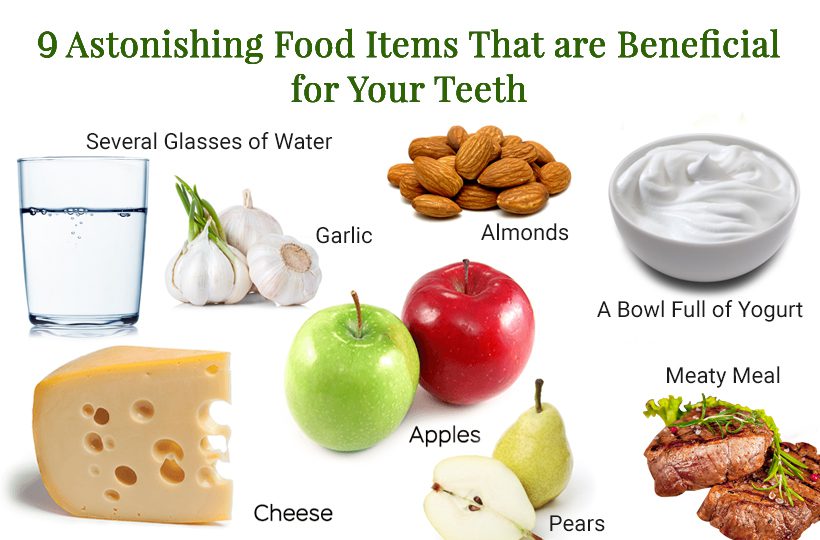
Food after oral cancer surgery often tastes and feels different during the recovery period. Many patients experience changes in taste, difficulty chewing or swallowing, dry mouth, and reduced appetite after surgery, radiation therapy, or chemotherapy. These changes are usually temporary but can make eating and maintaining proper nutrition more challenging. Understanding why these changes occur and choosing the right foods can make recovery easier. This guide explains common taste changes after oral cancer treatment, the best foods to eat, and practical tips to help you maintain nutrition while your mouth heals.
Who is this article for?
- Patients recovering from oral cancer surgery
- Individuals undergoing radiation therapy for oral cancer
- Caregivers supporting oral cancer patients
- Patients experiencing taste changes or dry mouth
- Anyone looking for dietary guidance after oral cancer treatment
What happens to Taste after Oral Cancer Surgery?
Oral cancer surgery can do a number of things to the taste and texture of food in mouth. It may make food taste metallic, like metal or blood, or it may make food not taste like anything at all. In some cases, the tongue removed completely and there’s no sensation for more than two months.
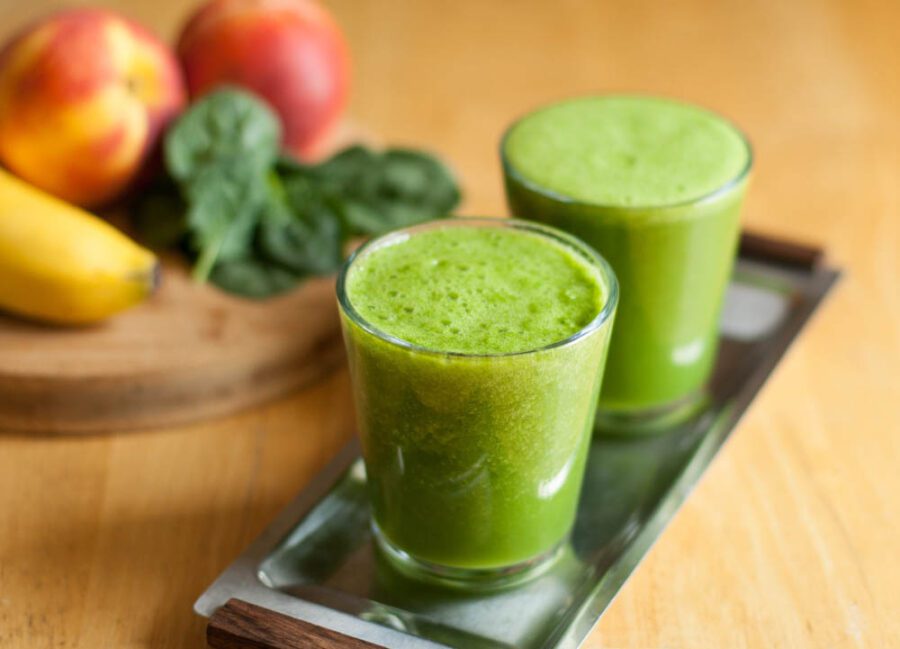
It is a partial myth that the taste sensations are only located on the tongue. Research shows that tongue contains majority of the taste buds. However, around 10 percent taste buds are also located along the mouth. In cases of injury or damage to the tongue, these other taste buds become active. This may may provide a more realistic taste.
There are many types of oral cancer surgery and many ways that your sense of taste is affected. Your surgeon will go over what to expect with you in detail before your surgery. This is so you know what to expect after your surgery as well as possible complications which could arise from the surgery. If you have questions about what’s going on with your mouth or where you can get help with recovery, don’t be afraid to ask your doctor or nurse.
Taste Changes in Food After Oral Cancer Surgery
Food may taste different than before, especially bitter, sweet, and/or salty foods. Some foods may taste bland and some may feel the same. You may have a metallic or chemical taste in your mouth, especially after eating meat or other protein foods.
How long does it take to feel normal?
Different people experience different levels of difficulties after surgery. In some cases, your mouth may be numb or you may not be able to taste food. Other times, you may experience difficulty swallowing. It can take anywhere from a few weeks to a few months for the taste and feel of food to return completely to normal. The most important thing is to start slowly and not expect too much too soon. It’s also important that you continue making healthy food choices during this time period. Make sure that you are getting enough protein and other nutritional foods in order to maintain your weight and health while recovering.
Causes in Food After Oral Cancer Surgery
- Medications
- Radiation
- Surgery of nose, throat or mouth
- Dry mouth
- Damage to the nerves involved in tasting
- Mouth sores
- Gum Issues
- Allergies
- Gastric reflux

Difference between various Oral Cancers?
The oral cancer surgery could be limited to the soft tissue such as skin of the mouth or tongue or the gums. Or, it could be a more extensive one including removal of the jaw bone along with the muscles. The major criterion for the type of surgery depends on how big and extensive the tumor has invaded.
But as a general rule of thumb, the larger the tumour, more extensive is the surgery and more difficulty is the post treatment phase.
Tips for right Food after Oral Cancer
It can be difficult to eat after surgery, especially if you have surgery on your tongue and mouth. Eating is a vital part of recovery, so it’s important to keep up with your calorie intake. Here are some tips for eating after surgery:
- If you’ve had surgery on the inside of your mouth or tongue, try using a soft food like mashed potatoes, cereal or soup that may be easier to manage.
- Use thicker liquids rather than thinner ones like broth, tea or juice because they will be more forgiving when dribbled on your chin.
- After surgery, drink plenty of water to stay hydrated and combat dryness in the mouth and throat.
- Try thickening liquids by adding less water or adding a heavy cream sauce or gravy.
- You may find it helpful to have someone cut up your food into bite size pieces before you start eating as it can make chewing more manageable and reduce the risk of choking.
Conclusion
Adjusting to food after oral cancer surgery takes time, but most patients gradually regain the ability to enjoy eating as healing progresses. Choosing soft, nutritious foods, staying hydrated, and following your healthcare team’s recommendations can help improve comfort and support recovery. If taste changes or difficulty eating persist, consult your oral surgeon, oncologist, or dietitian for personalized guidance to ensure you continue receiving the nutrition your body needs.
Experiencing taste changes or difficulty eating after oral cancer treatment?
Schedule a consultation at Royal Dental Clinics for personalized guidance on oral rehabilitation, nutritional support, and recovery to help you regain comfort, function, and confidence.
FAQs
1. What is the best food after oral cancer surgery?
Soft, nutritious foods such as yogurt, scrambled eggs, mashed potatoes, soups, smoothies, oatmeal, and well-cooked vegetables are often easier to eat during recovery.
2. Why does food taste different after oral cancer treatment?
Taste changes may result from surgery, radiation therapy, chemotherapy, reduced saliva production, nerve changes, or healing tissues.
3. How long do taste changes last?
Recovery varies from person to person. Some patients notice improvement within weeks, while others may take several months depending on their treatment and healing.
4. Can taste return to normal after oral cancer surgery?
Many patients experience gradual improvement over time, although some may continue to notice mild taste changes, particularly after radiation therapy.
5. How can I improve eating during recovery?
Eating soft foods, staying hydrated, using sauces to moisten meals, practicing good oral hygiene, and following professional dietary advice can make eating more comfortable.