
Eyelid sagging, also known as ptosis or drooping eyelids depending on the underlying cause, can occur due to ageing, genetics, or certain medical conditions. When excess skin or tissue affects appearance or blocks vision, blepharoplasty (eyelid surgery) may be recommended. This article explains the procedure, benefits, recovery, and who may benefit from treatment.
Who Is This Article For?
This article is for individuals experiencing droopy eyelids, excess eyelid skin, vision obstruction caused by sagging eyelids, or anyone considering blepharoplasty for functional or cosmetic reasons.
What Is Eyelid Sagging Surgery or Blepharoplasty?
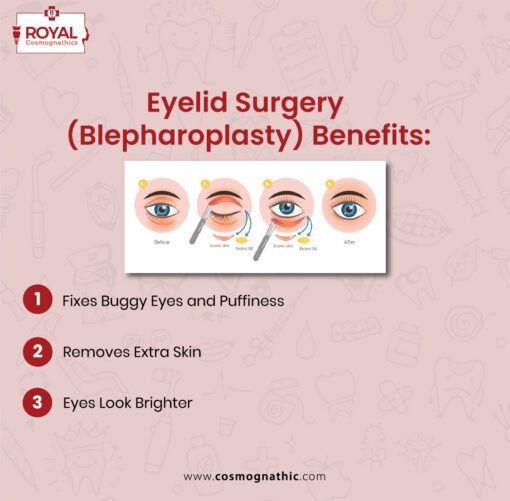
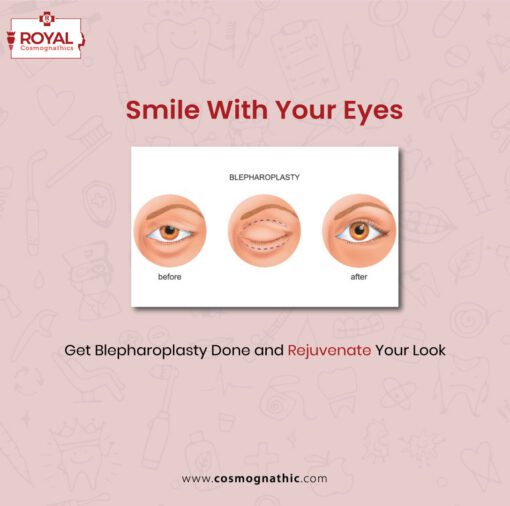
Blepharoplasty is a surgery to remove excess skin (or muscle or fat) from the upper or lower eyelids. It is a general term for correcting defects, deformities and disfigurations of the eyelids either for functional reasons, cosmetic reasons or both. The most common reason: cosmetic in which excess skin and fat removed and/or repositioned to give a more pleasing appearance. whereas The main aim therefore is to improve the appearance of the area surrounding the eyes and to improve vision obscured by dropping eyelids.
Where words are restrained, the eyes often talk a great deal.
Samuel Richardson
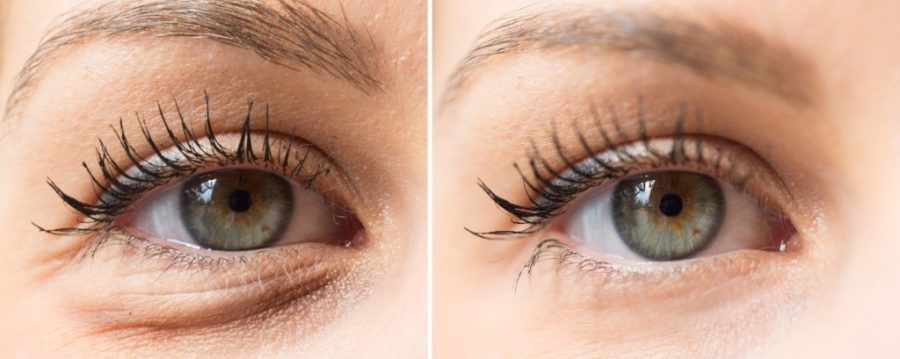
Ageing leads to stretching of eyelids and therefore weakening of the muscles supporting them. Hence, excess fat may gather above and below the eyelids causing sagging eyebrows, droopy upper lids and bags under eyes. This makes the person look older. Severely eyelids sagging skin around the eyes can reduce the side vision especially the upper and outer parts of our field of vision.
Blepharoplasty can reduce or eliminate these vision problems and make your eyelid sagging appear younger and more alert.
Who Needs Blepharoplasty?
- Baggy or droopy sagging upper eyelid and excess skin of upper eyelids that interferes with your peripheral vision.
- Preaponeurotic fat herniation that result in functional visual symptoms or cosmetic concerns in affected patients.
- Ageing
- Sun exposure
- Smoking
- Inflammatory disease affecting (Thyroid orbitopathy, blepharochalasis Syndrome)
- Chronic Lid swelling/oedema associated with systemic disease or allergy
- Family history
Benefits of Eyelid Sagging Surgery
- Improves droopy eyelids
- Enhances facial appearance
- Improves peripheral vision (when medically indicated)
- Removes excess skin and fat
- Creates a more refreshed appearance
What Happens During Eyelid Sagging Surgery Procedure?
- Any relevant information from the eye surgeon or physician should be discussed and informed.
- Your expectations. An honest discussion of your hopes and motivation for surgery will help set the stage for a satisfactory outcome. Your surgeon will discuss with you whether the procedure is likely to work well for you.
- Although Stop taking warfarin (Coumadin, Jantoven), aspirin, ibuprofen (Advil, Motrin IB, others), naproxen sodium (Aleve, others), naproxen (Naprosyn), and any other medication or herbal supplement associated with increased bleeding. Take only medications approved by your surgeon.
- Quit smoking several weeks before your surgery. However, smoking can reduce your ability to heal after surgery.
- Arrange for someone to drive you to and from surgery if you’re having outpatient surgery. Plan to have someone stay with you for the first night after returning home from surgery.
Before your eyelid sagging surgery, you’ll undergo:
- A vision examination.
- Eyelid photography.
- Cutting the fold of the eyelid.
- Blepharoplasty with ptosis (TOE-sis).
After surgery you may temporarily experience:
- Blurred vision from the lubricating ointment applied to your eyes
- Watering eyes
- Light sensitivity
- Double vision
Precautions Post Eye Sagging Surgery:
Upper eyelids blepharoplasty may be performed in traditional fashion, using stainless steel instruments or may be modified with radiosurgery incisional techniques, tissue adhesives have also been used for skin closure. The risk factors involved in this procedure are:
- Avoid exposing the scars to sun.
- Keep incisions clean with soap and water and inspect daily for signs of infection.
- Use cold saline compresses for the first 24 hours for comfort and to reduce swelling and brushing.
- Generally. Hair can shampooed any time after surgery.
- To wait for at least 2 weeks before wearing contact lenses.
- Patients will have sensitivity to sunlight, wind and other irritants so take proper covers for the same.
A follow-up without 24 hours and then regularly after 1 week till healing is complete is required.
Your doctor will likely suggest you take the following steps after surgery:
- Use ice packs on your eyes for 10 minutes every hour the night after surgery.
- Gently clean your eyelids and use prescribed eyedrops or ointments.
- Avoid straining, heavy lifting and swimming for a week.
- Do not do strenuous activities, such as aerobics and jogging, for a week.
- Avoid smoking, rubbing your eyes.
- If you use contact lenses, don’t put them in for about two weeks after surgery.
- Wear darkly tinted sunglasses to protect the skin of your eyelids from sun and wind.
- Sleep with your head raised higher than your chest for a few days.
- Apply cool compresses to reduce swelling.
After a few days, return to the doctor’s office to have stitches removed, if needed.
Ways to Address the Eyelid Sagging At Home
1) Apply cucumber slices
Cucumbers contain ascorbic acid and caffeic acid, although both of which reduces sagging eyelids. This decreases inflammation and naturally tightens the skin. However, cucumber slices help make your skin look healthy, smooth and glowing. You may place two slices of chilled cucumber over your eyes. Let the cucumbers sit for 20 minutes before you remove them.
2) Eat more grapes, peanuts, cranberries and red wine!
Grapes and berries are full of resveratrol, a natural element that slows cell ageing. Eating more grapes may help your skin stay youthful and prevent fine lines and drooping eyelid. Eat one bowl of grapes a day. You can also apply grape or cranberry juice directly to your skin, although this can be very sticky.
3) Use Camomile tea bags
Camomile is a natural anti-inflammatory, so it’s great for sagging eyelid and helps strengthen your skin. However to reduce puffy and sagging eyelids, apply chamomile tea bags to your eyelids. You may first, steep two tea bags in hot water. Cool them in your refrigerator for 15 to 30 minutes. Once chilled, place the tea bags over your eyes for 30 minutes and see the results.
Conclusion
denta is an effective surgical procedure for correcting drooping eyelids caused by ageing or excess skin. Whether performed for cosmetic enhancement or to improve vision, proper evaluation by an experienced surgeon helps determine if the procedure is suitable for you. Following post-operative care instructions can contribute to a smooth recovery and long-lasting results.
FAQ’s
1. Is blepharoplasty painful?
Most patients experience mild discomfort that can be managed with prescribed medication.
2. How long does recovery take?
Most swelling and bruising improve within 10–14 days, although complete healing may take several weeks.
3. Will blepharoplasty improve vision?
If excess eyelid skin obstructs peripheral vision, the procedure may improve the visual field.
4. How long do the results last?
Results often last for many years, although natural ageing continues.
5. Are there visible scars?
Incisions are usually placed within the natural eyelid crease, making scars less noticeable after healing.
Considering eyelid sagging surgery? Schedule a consultation with Royal Dental Clinics to discuss your concerns and receive a personalized treatment plan from our experienced specialists.